
Harare, (New Ziana) — Wildlife populations monitored across Africa declined by an average of 80 per cent between 1970 and 2022, highlighting growing pressure on biodiversity, although Zimbabwe’s elephant conservation efforts demonstrate that sustained action and community participation can help reverse the trend, the World Wide Fund for Nature (WWF) Zimbabwe said Friday.
The findings, contained in WWF’s Living Planet Report 2026, underline the urgency of protecting wildlife habitats, securing migration corridors and strengthening community-led conservation across Zimbabwe and the wider Kavango-Zambezi Transfrontier Conservation Area (KAZA).
The report’s Living Planet Index, produced by the Zoological Society of London, tracks population trends for mammals, birds, reptiles, amphibians and fish. Its figures represent changes in the average size of monitored animal populations, not an 80 per cent loss of all individual wild animals or species in Africa.
Globally, monitored wildlife populations declined by an average of 73 per cent over the same period, with Latin America and the Caribbean recording the steepest regional decline at 95 per cent.
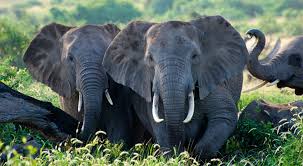
Zimbabwe provides an example of how long-term conservation can support wildlife recovery. Hwange National Park, the country’s largest protected area, supports an estimated 42,000 elephants, according to the WWF statement. However, habitat fragmentation, human-wildlife conflict and pressure on land threaten the long-term survival of elephants and other wildlife.
“The future of elephants, lions and people in the KAZA landscape will not be determined by statistics alone. It will be determined by the choices we make today about land, livelihoods and co-existence. That is where hope resides,” said Itai Chibaya, WWF Zimbabwe’s country director.
WWF Zimbabwe is using GPS collars to track elephant movements and identify critical wildlife corridors in northern Zimbabwe. Data from Samanyanga, an elephant collared in 2023, is helping researchers understand movement patterns and inform land-use planning, conservation policy and efforts to reduce conflict between people and wildlife.
Hwange forms part of KAZA, a transboundary conservation landscape spanning Angola, Botswana, Namibia, Zambia and Zimbabwe. The 2022 KAZA Elephant Survey estimated that the region supported about 227,900 elephants, making the protection of connected habitats vital to their movement and survival.
Michael Knight, WWF’s KAZA transboundary leader, warned that unplanned development and physical barriers, including fences, were disrupting ecological connectivity and restricting wildlife movement.
Across Zimbabwe, elephants increasingly come into conflict with communities where wildlife routes intersect with farms and settlements. Community-based natural resource management initiatives, including the Communal Areas Management Programme For Indigenous Resources(CAMPFIRE ), seek to give rural communities economic benefits from wildlife conservation, although human-wildlife conflict and the distribution of benefits remain important challenges.
The report identifies habitat destruction and degradation as the leading threats to monitored wildlife populations, followed by over-exploitation, climate change, pollution, invasive species and disease.
WWF said governments must go beyond protected areas to address the economic forces driving biodiversity loss, particularly unsustainable food production, fossil-fuel dependence and financial investment in activities that damage nature.
The organisation urged African governments to turn existing biodiversity and climate commitments into practical action, supported by accessible funding, stronger policies and locally led conservation.
While some wildlife populations are recovering, WWF cautioned that isolated successes would not be enough unless countries also tackle the underlying causes of nature loss.
New Ziana