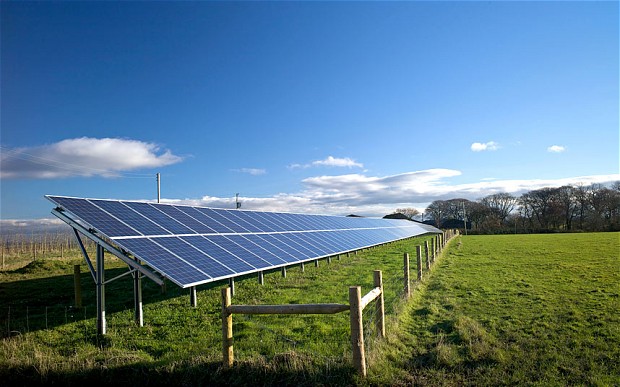
Harare, (New Ziana) — The Zimbabwe National Water Authority (ZINWA) on Friday said it has installed solar systems on 78 diesel-powered small water supply stations serving rural service centres and communities across the country.
It said the move has restored water supplies to areas where some stations had been non-functional for nearly two decades.
In a statement on Friday, ZINWA head of corporate communications and marketing Marjorie Munyonga said at stations that remained operational, production had dropped significantly due to the high cost and unsustainability of diesel.
She said ZINWA targets to solarise a total of 100 such stations by year-end as part of its shift to clean, renewable and environmentally friendly energy in line with its Environment, Social and Governance (ESG) goals.
“Apart from restoring water supplies, the conversion to solar is expected to substantially lower operational costs as solar energy is cheaper compared to diesel,” she said.
Munyonga added that the stations will now operate for longer hours, except on cloudy days, significantly improving water availability for consumers.
She said ZINWA has already solarised stations which include Mutikizizi, Chitsa, Chinyika, Chivamba, Basera, Deure V23, Nerupiri, Rupike, Chinyabako, Chirorwe, Svuure, Chatikobo, Harava, Mukanga, Soti Source, Veza, Zinguwo, Mafuva, Devure Gutu, Sango Border Post, Malipati, Gezani, New Boli, Nyahombe and Tetenu.
Others include Berejena, Chidyamakono, Lundi-Siboza, Madamombe, Mushandike, Masvosva, Mukosi, Pandamatenga, Mataga, Deka Army, Lubimbi, Lusulu, Sipepa, St Lukes, Dakamela, Nkayi, Dinyane, Dombodema, Mbamba, Lady Baring, Nswazi, Chiendambuya, Nyamazira, Ruwangwe, Manama, Mayobodo and Mugoti.
Munyonga said the solarised stations are now producing a combined average of 3,500 cubic metres of water per day, equivalent to 3.5 million litres.
She said to improve efficiency and reduce losses, ZINWA is repairing water reticulation networks in the affected areas, adding it also plans to automate the stations soon to reduce human interface in operations.
New Ziana