
Sharon Chikowore
CHINHOYI — Zimbabwe Prisons and Correctional Service (ZPCS) is intensifying efforts to transform correctional institutions into centres of rehabilitation, skills development, and production as the country moves towards a more developmental correctional system.
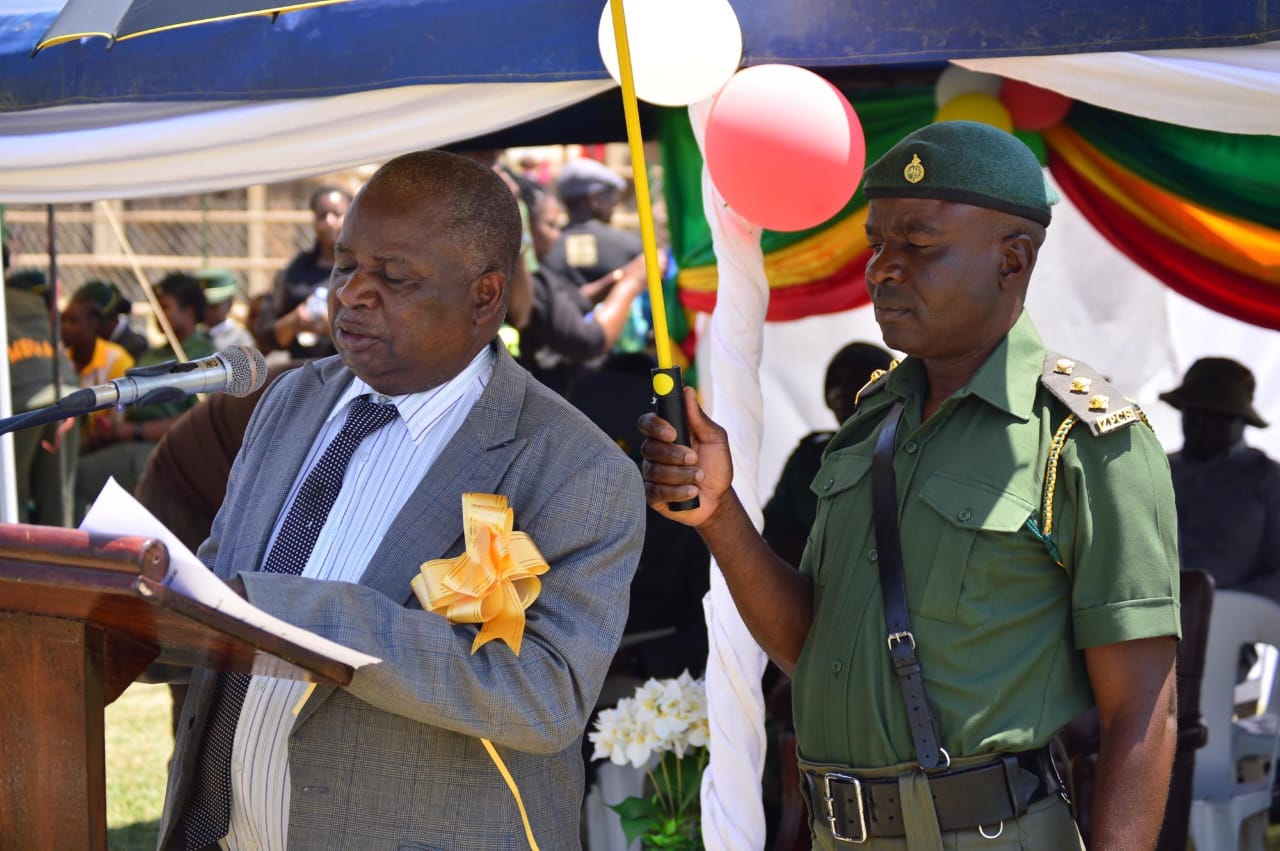
Speaking at the 2026 Prisons and Correctional Service Day commemorations, the Mashonaland West Minister of State for Provincial Affairs and Devolution, represented by Permanent Secretary Josphat Jaji, stated that the service is moving away from traditional correctional approaches toward scientific and research-driven rehabilitation models with measurable outcomes.
The commemorations were held under the theme, “From Corrections to Connections: Building Industries Behind Walls.”
Minister Chombo said the shift is aimed at ensuring that inmates, officers, and correctional institutions contribute meaningfully to national development while preparing offenders for successful reintegration into society.
“The transformation of ZPCS from a punitive institution to a developmental, rights-based correctional model is a story of national progress,” she said.
The minister said the change in the institution’s philosophy, supported by the Constitution and the Prisons and Correctional Service Act, has placed human dignity, rehabilitation, innovation, and inclusivity at the centre of correctional work.
Minister Chombo said correctional industries in agriculture, construction, manufacturing, and mining have the potential to contribute to both rehabilitation and national productivity.
She singled out ZPCS building brigades, urging authorities to fully utilise them across the country in the construction of schools, clinics, staff accommodation, and other public infrastructure.
The brigades, he said, could also generate revenue for the service while equipping inmates with practical and certified skills.
“This is a practical example of rehabilitation that empowers and builds the nation at the same time,” she said.
The Minister also challenged ZPCS to intensify food production at its institutions to reduce dependence on government allocations.
She called for partnerships with farmers, agribusinesses, and development partners to increase agricultural production, saying prison farms could contribute to national food security while reducing pressure on the fiscus.
The push towards self-reliance comes as ZPCS continues to grapple with challenges associated with the management of inmates and the need to prepare them for life beyond prison.
Minister Chombo said rehabilitation could not be considered complete unless former inmates were successfully reintegrated into their communities.
He called on communities to receive former inmates with compassion and without prejudice, while urging the private sector to work with ZPCS in vocational training, contract manufacturing, and skills development.
“There is a business case for rehabilitation and a national interest in making it work,” she said.
Mashonaland West ZPCS Commissioner Luke Zondai Makuvire said rehabilitation programmes include education, vocational and skills training, counselling, psychosocial support, spiritual and moral development, agriculture, economic activities, sport, arts and crafts, and peace education.
“These programmes are important because they allow inmates to discover their abilities, develop useful skills, and prepare for a more responsible life after release,” said Commissioner Makuvire.
However, he stressed that the transformation from prison to society required cooperation beyond ZPCS.