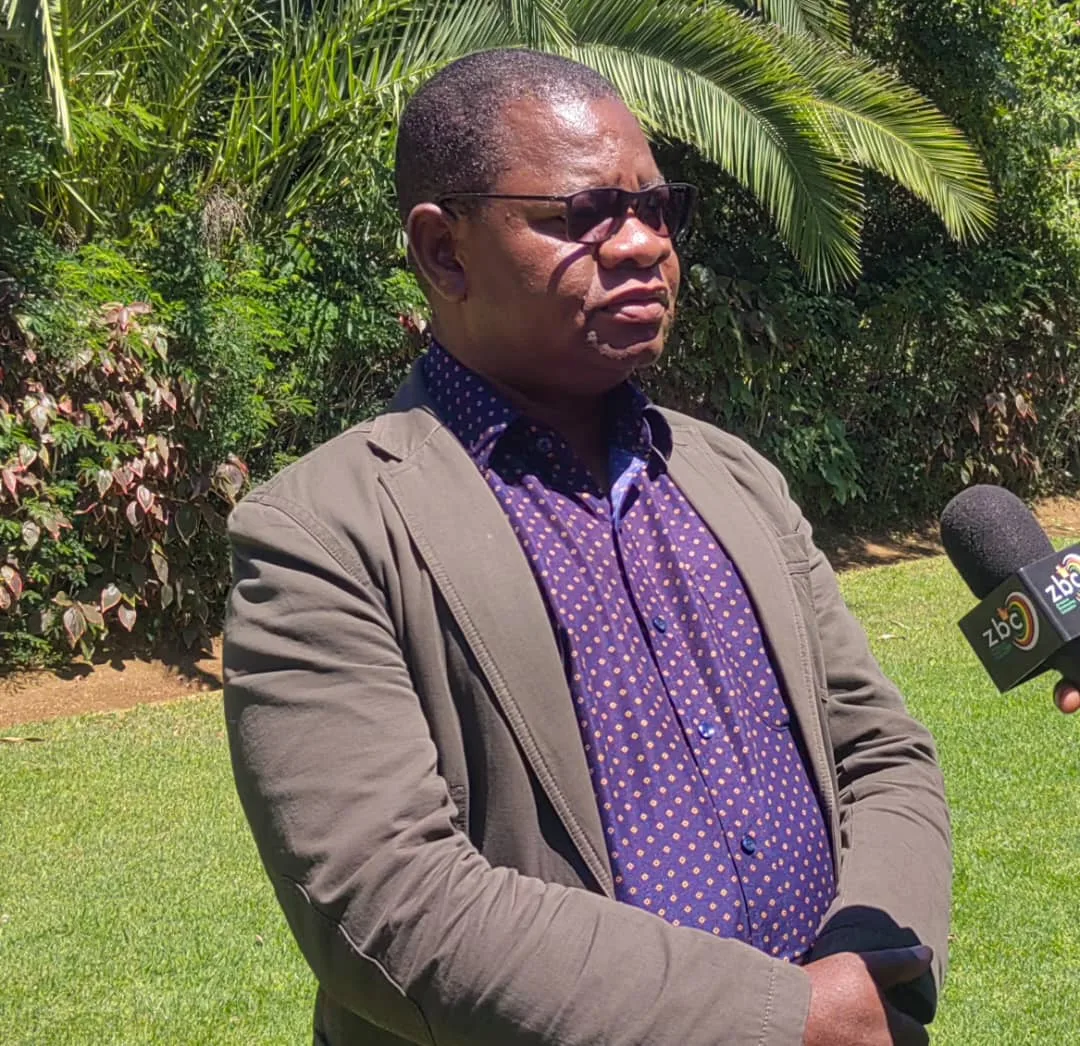
Bulawayo, (New Ziana) – There is need to review the
penalties imposed on bogus agro-dealers who cheat farmers by selling
counterfeit or fake seeds, an official said.
Permanent secretary for Lands, Agriculture, Fisheries, Water, and Rural
Development, Professor Obert Jiri said this while officiating at the
Write Shop for Reviewing, Updating, and Realigning Zimbabwe’s Seed
Certification Regulatory Framework workshop in the country’s second
largest city on Friday.
The event, hosted by the Food and Agriculture Organization (FAO) in
collaboration with the Ministry, aims to align the country’s seed
systems with international and regional best practices.
Currently, Zimbabwe’s seed certification scheme, which was gazetted 25
years ago, falls short of complying with international and regional
systems.
The local scheme, along with the Organization for Economic Cooperation
and Development (OECD) Seed Schemes, the Common Market for Eastern and
Southern Africa (COMESA) Seed Scheme, and Southern African Development
Community (SADC) Seed Schemes, has different minimum standards, posing
challenges for seed producers and traders.
“Farmers and value-chain players in the seed sector have been calling
for a review of these punitive measures for a long time. As such, the
need to review, realign, and update the Seed Certification Scheme Notice
2000 cannot be overemphasized,” Jiri said.
He emphasized that agricultural development and food security remain
government`s top priorities due to their significant contribution to
rural transformation aimed at fostering industrialization and economic
growth.
“This Write Shop comes at an opportune time as it complements government
efforts towards transforming agriculture in line with the National
Development Strategy 1 (NDS1), the national blueprint to drive the
attainment of Vision 2030.
“It is widely known that agriculture is two to four times more powerful
at reducing poverty than any other sector,”he said.
Prof Jiri said seed security is a critical success factor in
agriculture, adding that there is a need to ensure that quality seeds
are accessible and supplied in a timely manner at affordable prices.
He commended the efforts of both the public and private sectors in
scientific and agronomic research and innovation.
“If we get agriculture right through modernization of research,
innovation, and product testing, then we are guaranteed a solid base for
agricultural production and food security,” the secretary said.
Prof Jiri also commended the role that the seed sector is playing in
government programs such as the “Pfumvudza/Intwasa” Climate Proofing
concept, saying it is through this close collaboration that the nation
remains food secure.
He noted that crop production faces challenges such as emerging pests
and diseases (fall armyworm, locusts) and climate change realities,
which pose serious threats to food security and ultimately economic
growth and development.
Against this background, Prof Jiri implored the research directorate
(ARISS) and the seed industry to double their efforts in the
hybridization of traditional grains and accelerate genetic gains to help
build resilience in agriculture and food systems for the sustenance of
livelihoods.
He called for collaboration among all stakeholders in the agriculture
sector to pave the way for a regulatory framework that not only
guarantees seed quality, but also drives productivity and
sustainability.
New Ziana