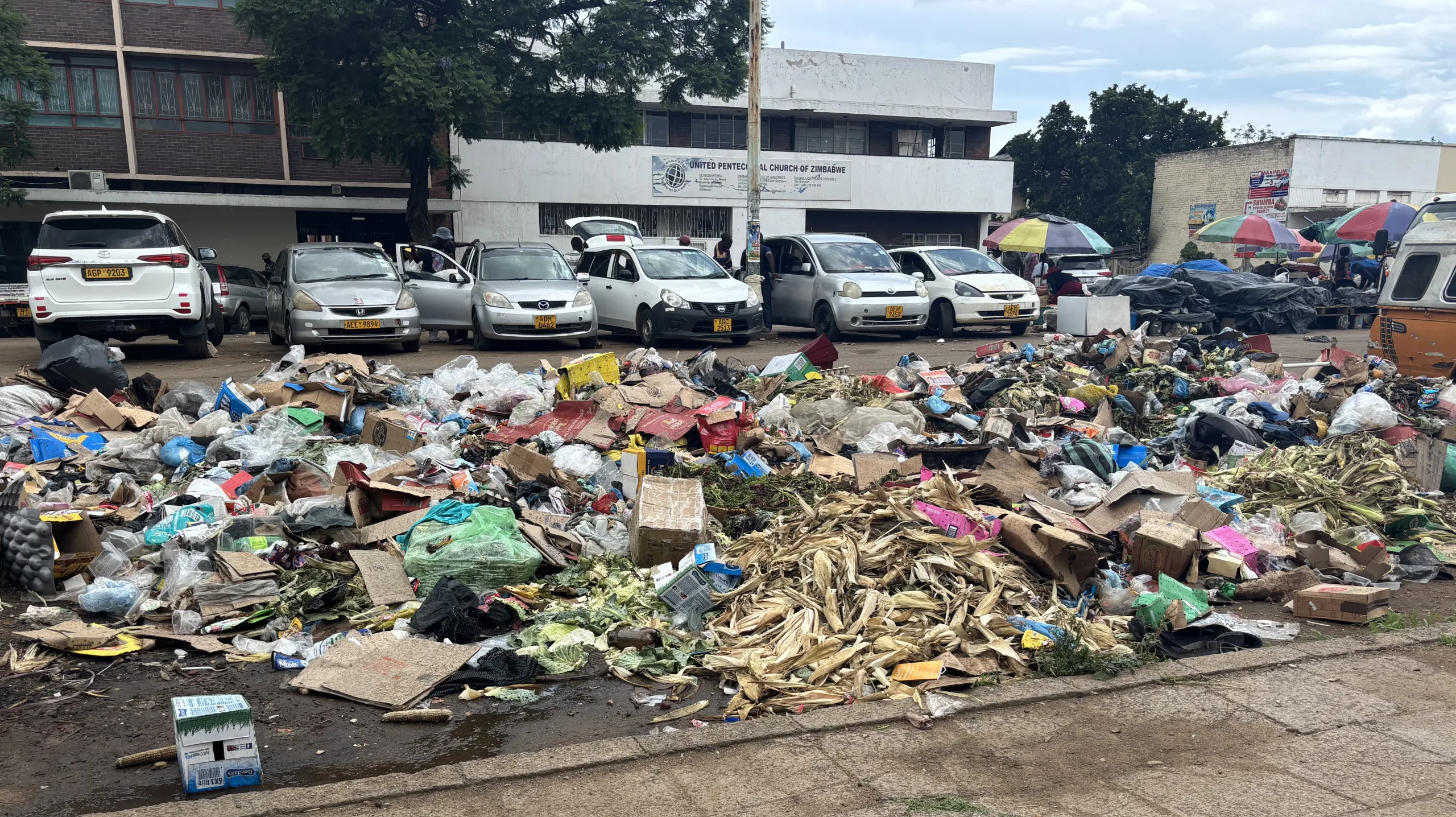
Bulawayo, (New Ziana) -Zimbabwean companies have been urged to adopt the Extended Producer Responsibility (EPR) policy, which mandates producers, importers, and sellers to manage the impact of their products on the environment from creation to disposal, the Environmental Management Agency (EMA) has said.
The EPR is a policy strategy making producers financially and/or physically responsible for the end-of-life management (collection, recycling, disposal) of the products they sell, shifting costs from municipalities/taxpayers to manufacturers, and incentivizing eco-friendly product design for a circular economy.
Speaking on the sidelines of a stakeholders engagement meeting on Tuesday, EMA environmental education and publicity manager Amkela Sidange explained that under the policy, producers become financially and operationally accountable for collection, recycling and safe treatment of post-consumer waste.
“We are calling upon companies to guarantee the safe disposal of all post-consumer waste, urging producers to move beyond traditional waste management and take full lifecycle responsibility for their products. Businesses should strengthen efforts to manage their end products through adoption of the EPR policy,” she said.
She pointed out that the policy will ensure the cost and burden of waste management will not be left to local authorities and taxpayers.
“This policy ensures that the costs of waste management will not be left to local authorities and taxpayers alone. EPR ensures that companies remain responsible even after a product leaves the shop,” she said.
Sidange also said bridging the gap from wasteful to wasteless requires partnering human creativity with smart, accurate technology, which aligns with the National Development Strategy 2 (NDS2), a policy framework which prioritises value addition, beneficiation, and the creation of a modern, resilient economic infrastructure, she added.
“This is the kind of economy that eliminates waste, maximises material value and reduces dependence on virgin resources. Circular systems are crucial as they transform waste into a resource,” she said.
She said the model actively reduces pollution and curtails the demand for new raw materials while stimulating green employment.
“Consider a plastic bottle, it is not waste, but a valuable resource for new production. This closed-loop model actively reduces pollution, curtails the demand for virgin raw materials, and stimulates green employment,” she said.
New Ziana