
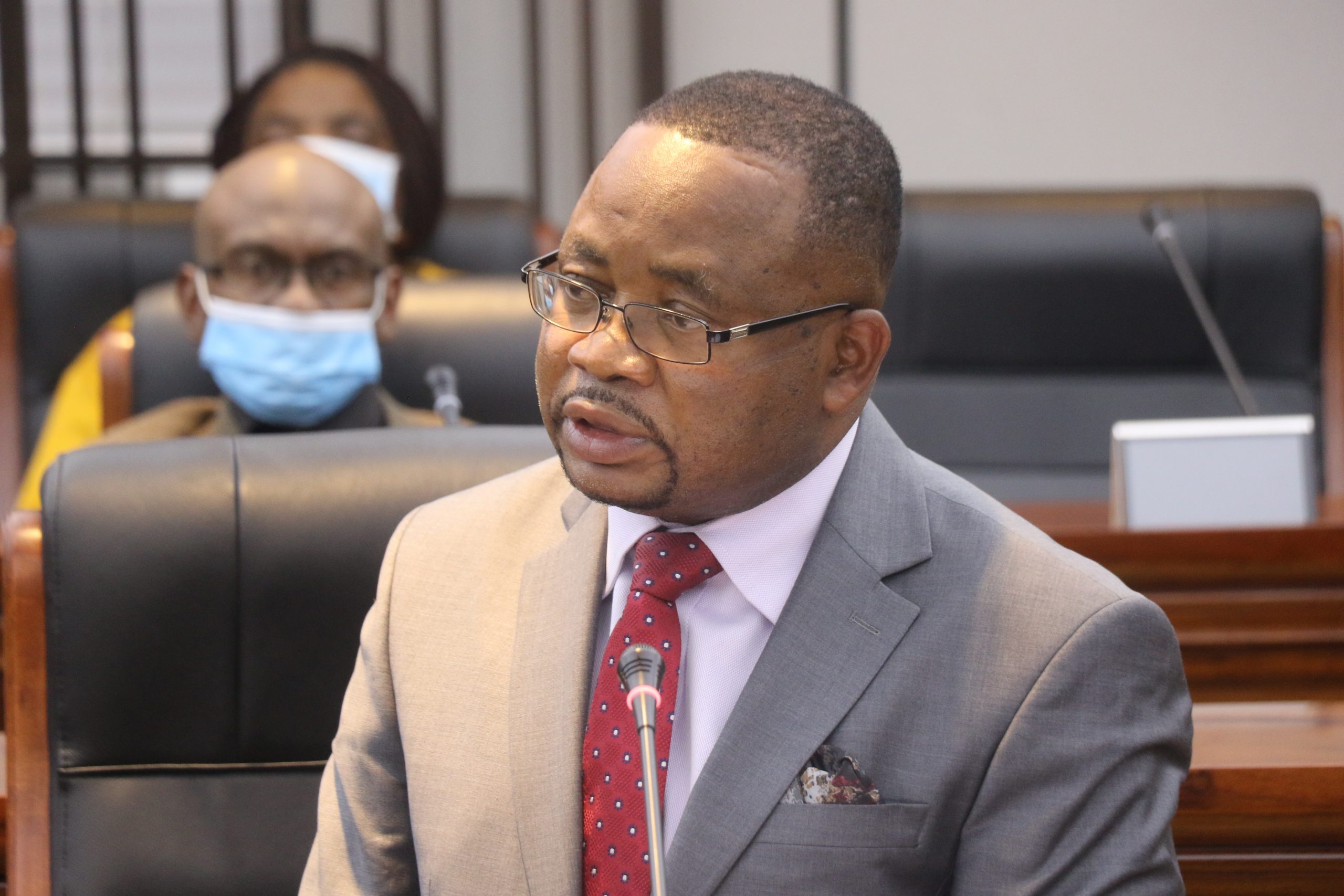
Harare, (New Ziana) –Acting Minister of Public Service, Labour and Social Welfare, Professor Paul Mavhima, has called for enhanced protection, fair remuneration and inclusive social dialogue for Zimbabwean workers, declaring them the backbone of national development.
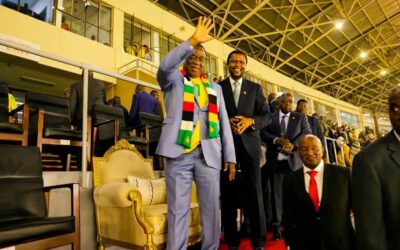
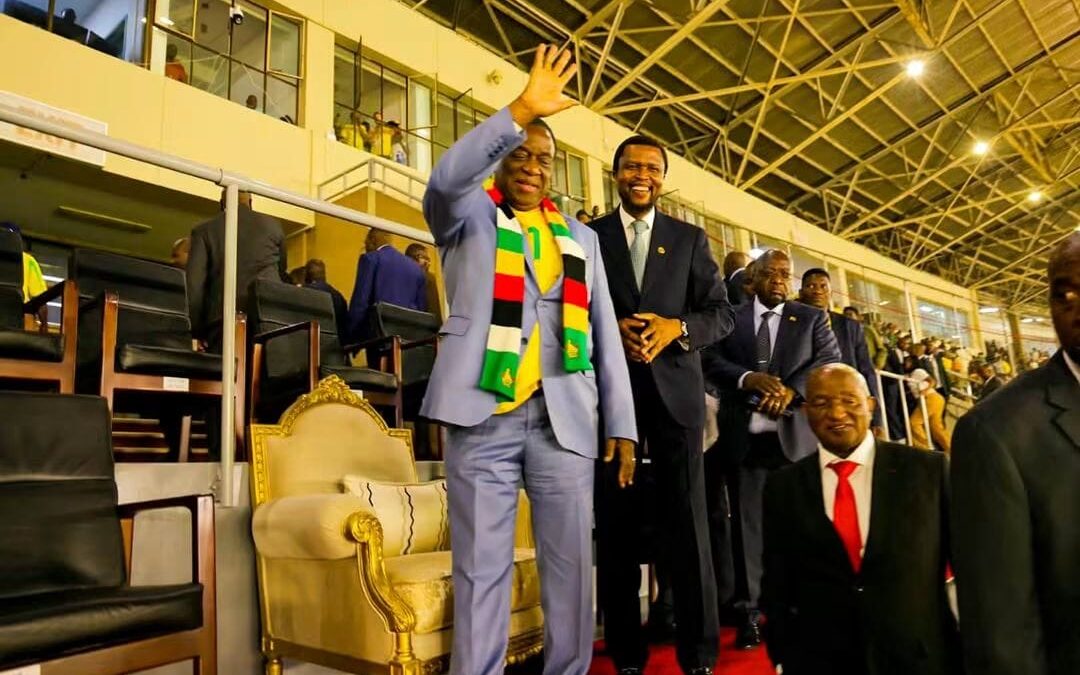
Mavhima, who is the Minister of National Housing and Social Amenities, was speaking during vibrant International Workers Day commemorations held at the Dzivarasekwa Stadium in the capital on Friday.
Thousands of people gathered for the commemorations, which the Zimbabwe Congress of Trade Unions organised, under the theme “Constitutionalism, Social Justice: Workers United for Decent Work and Economic Development.”
Mavhima said the day was more than a holiday, but a moment of reflection and recommitment to the working class.
“This is not merely a public holiday, it is a remembrance. It is a recommitmen, a day that belongs entirely and unreservedly to the men and women who, in their quiet and tireless dignity, hold this nation together,” he said.
“Workers are the cornerstone of society. They are the cornerstone of our economy,” he added.
Mavhima anchored his remarks on the country’s development trajectory, highlighting the National Development Strategy 2 (2026–2030) as a blueprint that places workers at the centre of economic transformation.
“Inclusive growth can only be achieved when the workforce is protected, well remunerated and empowered to participate meaningfully in social dialogue,” he said, adding that labour laws and industrial relations systems are the living expression of the social contract between the State and the working people of Zimbabwe.
Mavhima noted signs of economic recovery, citing second-quarter 2025 data, which he said was expected to reduce job losses and sustain growth momentum.
He assured workers that the government remains committed to improving livelihoods.
“The government remains fully committed to ensuring that no Zimbabwean who works for a living goes home unable to feed their family,” Mavhima said.
On wages and working conditions, he sad collective bargaining efforts had gained traction, with 17 National Employment Councils concluding agreements with meaningful wage adjustments over the past year.
He reiterated government support for negotiations between employers and workers.
“It is the trade unions that must negotiate for better working conditions… Government believes and promotes collective bargaining, and in good faith, we will always support the working class,” he said.
Mavhima also underscored ongoing negotiations in the public sector aimed at improving conditions of service, including efforts to establish a single spine salary structure to promote fairness and industrial harmony.
Turning to workplace safety, Mavhima painted a sobering picture, saying thousands of workplace incidents were recorded in 202.
He stressed that the government has adopted a “zero harm” philosophy.
“No worker should leave home for work and not come back alive… even one accident is far too many,” he said, adding that stricter enforcement of occupational safety laws and compulsory provision of protective equipment would be prioritized.
He further condemned child labour, describing it as a violation of human rights and pledged intensified efforts to eliminate the practice by 2030, particularly in the informal and agricultural sectors.
Meanwhile, Mavhima highlighted progress in expanding social security coverage, which now reaches over 85 percent of formal sector workers, while stressing the need to extend protection to those in the informal economy.
“Our goal is universal coverage… millions of Zimbabweans outside the formal sector deserve the same protection in old age, illness and injury,” he said.
He also emphasized the importance of social dialogue through platforms such as the Tripartite Negotiating Forum, where government, business and labour collaborate on socio-economic issues.
“Whatever we do for our economy… should be a compound effort between the government, employers and the workers themselves,” he said.
Mavhima linked job creation to
the national vision to attain middle income society by 2030, highlighting key sectors such as manufacturing, agriculture, mining and the digital economy as drivers of employment.
“Every investment attracted, every factory opened… is another act of job creation. And we insist that where jobs are created, there are decent jobs,” he said.
Speaking at the same occasion, Muchaneta Taruvinga, President of the Zimbabwe Congress of Trade Unions, expressed concern over the widening gap between wages and the cost of living, arguing that many workers continue to earn below the poverty datum line.
She said while the government has pointed to economic recovery, the benefits have not yet translated into improved livelihoods for workers.
“If the economy is improving, it must be reflected in workers’ earnings and their buying power. Workers cannot continue to struggle to meet basic needs while macroeconomic indicators are said to be improving,” Taruvinga said.
She called on authorities to prioritize wage reforms, strengthen labour protections and address inequalities affecting workers across sectors, particularly those in precarious and informal employment.
Taruvinga also urged greater commitment to genuine social dialogue, saying workers must have a stronger voice in shaping policies that affect their welfare.
“Decent work is not just about employment, but about dignity, fair pay, safety and security. Workers must be at the centre of economic development,” she said.
She further appealed for urgent measures to cushion workers against rising living costs, warning that failure to act could undermine productivity and social stability.
New Ziana