
Princess Sibanda
BEITBRIDGE -As anti-migrant tensions continue to unsettle parts of South Africa, Beitbridge Border Post is once again witnessing the return of citizens seeking safety and a fresh start back home.
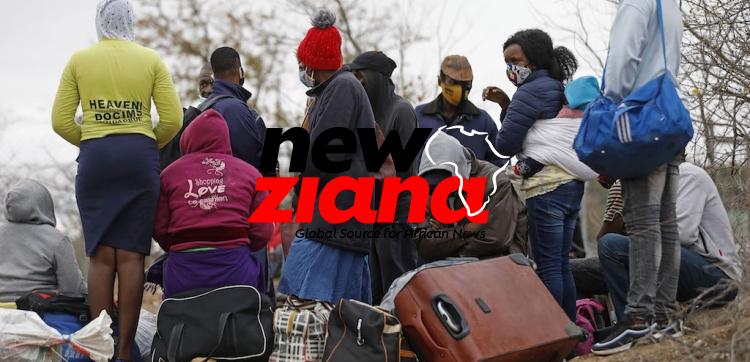
Seventy-four Zimbabweans arrived through the border post on Sunday after being repatriated from Mossel Bay in South Africa’s Western Cape Province, where recent attacks and protests targeting foreign nationals have left many migrants feeling vulnerable.
Their arrival comes amid a broader regional movement of displaced migrants. Malawi is facilitating the return of 150 citizens from South Africa, while Mozambican authorities have also been assisting nationals affected by the unrest.
According to South Africa’s Border Management Authority (BMA), 168 Mozambican nationals were repatriated through the Lebombo Port of Entry on June 7 after being transported from Mossel Bay by the Mozambican Embassy.
BMA Commissioner Dr Michael Masiapato said the operation highlighted the value of cooperation between neighbouring countries in responding to migration-related challenges.
The Zimbabwean returnees were received by government officials and border authorities before arrangements were made for social support and onward travel to their respective destinations.
Meanwhile, Zimbabwe’s Embassy in South Africa has urged citizens to remain alert, avoid areas experiencing unrest and ensure they carry valid identification documents at all times.
For Beitbridge, the latest arrivals are another reminder of the town’s strategic role as Zimbabwe’s gateway to the region. Whenever tensions spill over into migrant communities in South Africa, the border town often becomes the first point of return for those forced to leave behind jobs, businesses and livelihoods.
As governments across Southern Africa work to assist affected citizens, the recent repatriations reflect not only a migration challenge but also the need for continued regional cooperation in protecting vulnerable communities.