By Simbarashe Muparaganda
Bulawayo, (New Ziana)-Zimbasbwe should accelerate the adoption of artificial intelligence (AI) and other advanced technologies in the exploration for critical minerals, Vice President General (Retired) Constantino Chiwenga said on Thursday.
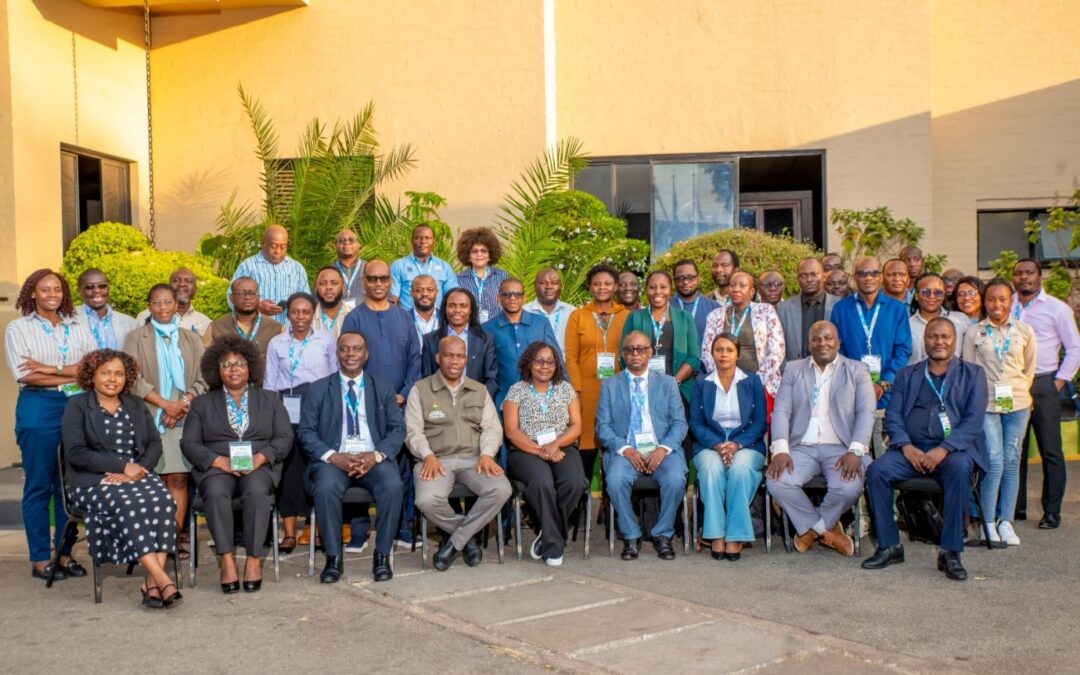
He was speaking at the inaugural Exploration Symposium held on the sidelines of the 29th Mining, Engineering and Transport (Mine Entra) Expo being held at the Zimbabwe International Conference and Exhibition Smart City (ZICES) in Bulawayo,
VP Chiwenga said the country’s mineral wealth present a unique opportunity to position the Zimbabwe at the centre of the Fourth Industrial Revolutioncountries as countries that secure strategic mineral resources today will dominate the global economy tomorrow.
He said rising global demand for critical minerals was reshaping international competition for resources, making exploration and technological innovation indispensable to long-term economic growth.
“Global demand for critical minerals is rising as nations accelerate the Fourth Industrial Revolution. Critical minerals now underpin digital transformation, advanced manufacturing, artificial intelligence, electric mobility and clean energy,” he said.
VP Chiwenga said Zimbabwe could only unlock the full economic value of its mineral resources through intensified exploration, geological research and responsible investment.
“We cannot benefit from resources that remain undiscovered. These inaugural Exploration Indaba therefore provides a platform for government, industry, investors, researchers, financiers and other stakeholders to deliberate on how the country can strengthen mineral exploration, expand geological knowledge, attract responsible investment and unlock the full value of our mineral resources,” he explained.
He said beyond recognising its mineral wealth, the country should ensure the resources translate into industrialisation, economic resilience and inclusive prosperity.
VP Chiwenga said the government remains committed to creating a competitive investment climate through legislative and regulatory reforms.
“The Mines and Minerals Amendment Bill, now before Parliament, introduces more reforms including a digital mining cadastre, streamlined licensing, enhanced environmental safeguards and clear community benefit. These reforms will ensure that Zimbabwe’s exploration sector is competitive, transparent and aligned with international best practices,” he said.
He said although the country had recorded significant progress under the National Development Strategy (NDS1) through the opening of new mines and revival of dormant operations, considerable opportunities remained untapped because large parts of the country were still under-explored.
Technological transformation is redefining the mining industry, making it imperative for Zimbabwe to embrace cutting-edge innovations, he said.
VP Chiwenga challenged universities and mining companies to strengthen collaboration to ensure graduates acquire practical skills that meet the evolving needs of the industry.
“It’s not the universities that are not training, but we are not telling them what technology is now there, so they can tailor their syllabus. You must also take those students at colleges and universities for attachments, and you start training them. They go back with both theory and practical work,” he said.
He said stronger partnerships between industry and academia would help produce a workforce capable of driving technological innovation in the mining sector.
VP Chiwenga also implored greater support for small-scale miners, junior exploration firms and artisans, saying they remained critical contributors to national mineral production and rural livelihoods.
He also implored delegates to ensure the symposium delivers practical outcomes that position exploration as the foundation of Zimbabwe’s mining-led industrialisation drive.
“Let this gathering mark the beginning of a new era, one in which exploration is driven by science, investment is anchored on confidence, and innovation becomes our commodity and value,” he said