By Johnson Siamachira
Harare, (New Ziana) — Zimbabwe has kept its commercial dairy herd free from Foot-and-Mouth disease (FMD) despite a wave of outbreaks across Southern Africa, a senior government veterinary official said on Friday.
Chief director in the Directorate of Veterinary Services, Dr Pious Makaya, credited the achievement to government’s close collaboration with dairy farmers, public and private sector stakeholders, enforcement of stricter biosecurity measures and intensified surveillance for containing the highly contagious livestock disease.
He said that the government, working with the Zimbabwe Association of Dairy Farmers (ZADF) and private sector partners, had, as a result, successfully protected the country’s dairy industry while continuing to suppress outbreaks affecting cattle in high-risk wildlife interface areas.
“Foot-and-mouth disease is under control, though we have sporadic cases reported in previously affected districts mainly bordering conservancies and national parks keeping buffaloes,” Dr Makaya said. “By enforcing these measures together with the effective collaboration of the Directorate of Veterinary Services, the Zimbabwe Association of Dairy Farmers and other stakeholders, Zimbabwe has remained resilient in containing FMD along national parks and conservancies, limiting its spread. As such, no infection has been recorded in any of our small, medium and large scale commercial dairy farms countrywide.”
The achievement comes as at least seven Southern African Development Community (SADC) member states, including South Africa and Zimbabwe, continue battling FMD outbreaks that have disrupted livestock production and regional trade.
Zimbabwe has, however, managed to contain the disease, limiting it to sporadic cases in the beef herds in districts previously infected.
The government’s strategy highlights how Zimbabwe is seeking to protect one of its most valuable agricultural industries while safeguarding regional trade, rural livelihoods and food security. Authorities have intensified vaccinations, tightened livestock movement controls, strengthened surveillance and increased biosecurity around wildlife conservancies, where the African buffalo remain the primary reservoir of the virus.
Dr Makaya said Zimbabwe’s dairy sector faced particular risks because farmers rely heavily on importing dairy cattle and improved genetics from South Africa, which has experienced widespread FMD outbreaks. “South Africa is very critical because most of Zimbabwe’s dairy farmers import dairy cows and improved genetics from there,” he said. “That is why movement controls and import restrictions are essential to protect our national dairy herd.”
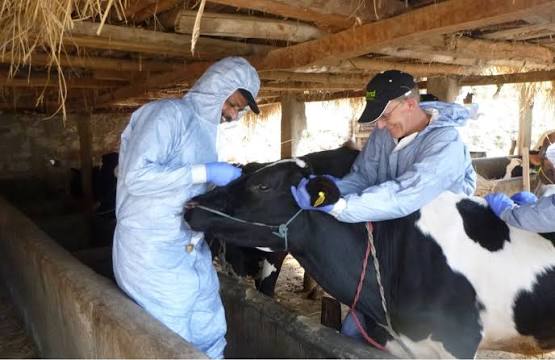
The Directorate has imposed strict controls, including banning imports of dairy breeding stock from infected countries, restricting livestock movements in affected districts, vaccinating cattle in outbreak areas and conducting nationwide awareness campaigns on disease prevention.
Dr Makaya said most outbreaks remain confined to districts bordering national parks and wildlife conservancies, where contact between domestic cattle and infected African buffalo increases transmission risks.
To reduce that threat, the Directorate is inspecting all the 29 wildlife conservancies for compliance with the Animal Health Act. “All conservancies are to be registered with the DVS to ensure the biosecurity measures according to the Act are observed and enforced,” Dr Makaya said.
He added that the government was at an advanced stage of installing buffalo-proof fencing around conservancies that fail to meet required biosecurity standards.
“Following inspection of the 29 conservancies, the Government will ensure the necessary biosecurity measures, including fencing with the standard buffalo fence, are implemented,” he said.
Zimbabwe has remained on heightened alert since regional outbreaks of FMD intensified earlier this year. Veterinary authorities have quarantined infected districts, imposed movement restrictions and expanded vaccination campaigns after outbreaks were confirmed in areas including Bulilima, Gwanda, Mangwe, and Umzingwane districts in Matabeleland South Province. Earlier this year, Botswana temporarily suspended imports of cloven-hoofed livestock and related products from Zimbabwe following an outbreak near the shared border, underscoring the negative economic consequences of the disease.
Across Southern Africa, veterinary authorities of Mozambique and Zambia continue battling with spread of highly virulent FMD Type O outbreaks. The disease poses no threat to human health but causes severe production losses, reduces milk yields, disrupts livestock markets and often triggers costly trade restrictions.
Dr Makaya said Zimbabwe would continue strengthening surveillance, enforcing movement controls and working closely with farmers and regional partners to prevent further spread of the disease while protecting the country’s livestock industry and export prospects.
New Ziana