By Zachary Gava
Harare , (New Ziana) -The Zimbabwe government has intensified its nationwide campaign against drug and substance abuse, with authorities calling for a stronger community-driven response to protect vulnerable groups, rehabilitate those battling addiction, and safeguard the future of the country.
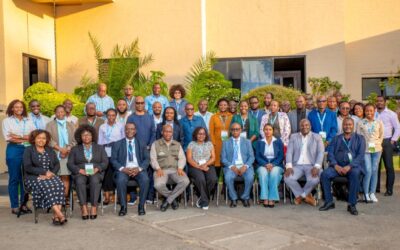
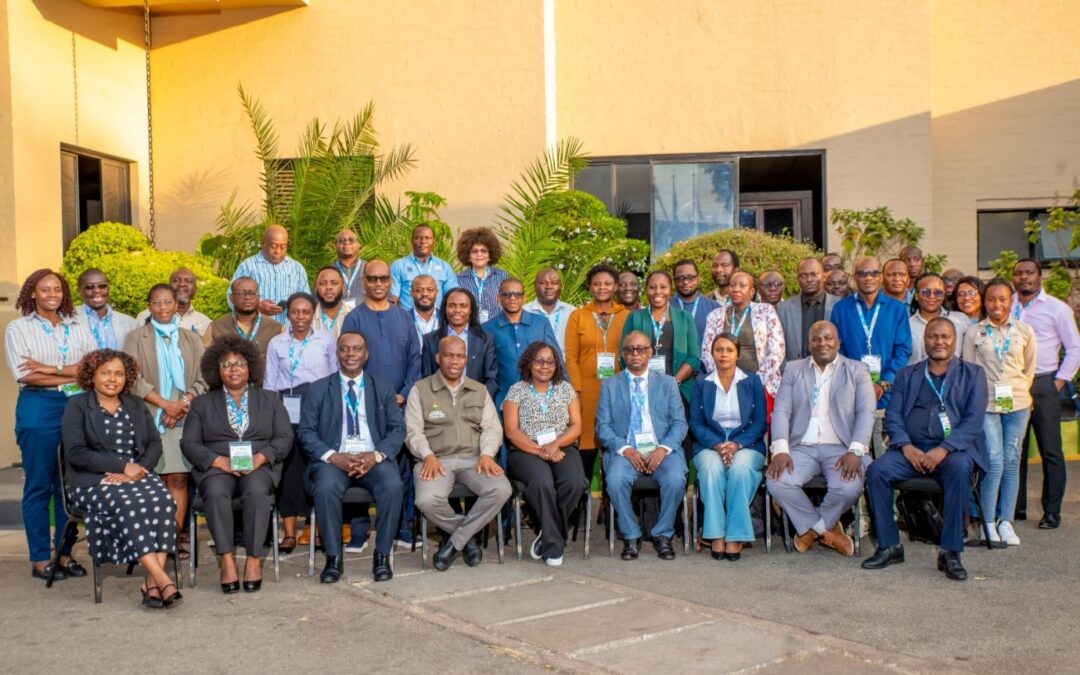
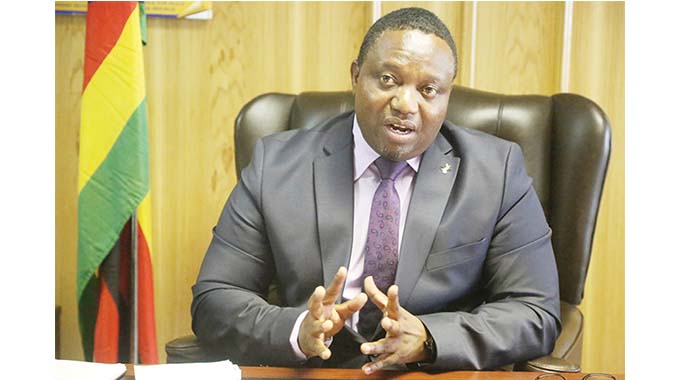
Speaking during the National Provincial Interface Meeting on Drugs and Substance Abuse in Harare on Wednesday, Minister of Home Affairs and Cultural Heritage who is also the Vice Chairperson of the National Committee on Drugs and Substance Abuse, Kazembe Kazembe, said the provincial engagements demonstrate the unwavering commitment of the government to confront what has become one of the most pressing social, public health and development challenges.
He said the fight against drug and substance abuse requires the participation of every sector of society.
“Your presence here is a clear demonstration that the fight against drug and substance abuse is not the responsibility of one institution alone, but a shared national obligation requiring the active participation of every sector of society,” he said.
Kazembe warned that drug and substance abuse continues to erode the Zimbabwean human capital by destroying families, disrupting education, fueling crime, increasing the burden of disease and undermining economic productivity.
“Left unchecked, it threatens not only individual lives but also the social fabric upon which our nation is built,” he said.
Kazembe said Government adopted a coordinated whole-of-government and whole-of-society approach following President Emmerson Mnangagwa’s directive, leading to the establishment of the National Committee on Drug and Substance Abuse and supporting provincial, district and community structures to coordinate implementation of the Zimbabwe Multisectoral Drug and Substance Abuse Plan (2024-2030).
He emphasized that the commitment of the government to leaving no one and no place behind should remain central to the national response.
“Every young person trapped in addiction deserves an opportunity to recover. Every family affected deserves support. Every community deserves access to information, prevention, treatment, rehabilitation and community reintegration services,” he said.
Acknowledging the unique challenges that Harare faces as the administrative, commercial and economic hub of the country, Kazembe said rapid urbanisation, population mobility and growing informal settlements demand more innovative and proactive interventions.
“We cannot afford to wait for individuals struggling with drug and substance abuse to find their way to our offices or rehabilitation centres before assistance is rendered. We must deliberately take services to the people,” he said.
Kazembe called for intensified outreach programs in residential areas, schools, tertiary institutions, workplaces, transport hubs and marketplaces, saying success should be measured by lives transformed rather than the number of offices established.
He also expressed concern over the growing number of children, adolescents and adults living and working on the streets, particularly within the Harare Central Business District, warning that many have become easy targets for criminal syndicates and drug dealers.
Kazembe urged the Harare Provincial Committee on Drug and Substance Abuse to strengthen community outreach programs by identifying vulnerable individuals early, linking them to social protection services, providing psychosocial support and facilitating access to rehabilitation.
“Protecting children and vulnerable persons from drug and substance abuse is not merely a social responsibility; it is a national investment in Zimbabwe’s future,” he said.
Kazembe said the interface meetings provide Government with an opportunity to assess progress in implementing national directives, identify operational challenges, improve service delivery and strengthen coordination among institutions implementing the national drug strategy.
“Our focus is not merely on activities undertaken but on measurable outcomes. We seek to understand whether our interventions are changing lives, restoring families, reducing demand, disrupting supply networks and strengthening community resilience,” he said.
He reiterated that while prevention remains the cornerstone of the national response, Government is equally committed to ensuring that those already battling addiction have access to quality treatment, rehabilitation and sustainable reintegration into society.
“Government firmly believes that every person struggling with addiction deserves a second chance. Recovery is about restoring hope, rebuilding families, reclaiming dignity and empowering individuals to become productive members of society once again,” he said.
He acknowledged that rehabilitation does not end when a client leaves a treatment facility, noting that poverty, stigma, discrimination, rejection, peer pressure and continued access to drugs often place recovering individuals at risk of relapse.
To strengthen long-term recovery, Kazembe announced that Harare Metropolitan Province has been selected as the pilot province for Government’s Community Reintegration Start-Up Kits Programme, which will support vulnerable recovering clients through economic empowerment and livelihood opportunities.
Kazembe said the initiative marks a significant shift from simply treating addiction to restoring livelihoods, promoting dignity and enabling recovering clients to reintegrate successfully into their communities as productive citizens.
New Ziana