By Moses Magadza in Johannesburg, South Africa
The Secretary General of the SADC Parliamentary Forum (SADC PF), Ms Boemo Sekgoma, has urged parliamentary researchers, legal and human rights officers to draw on regional human rights instruments and home-grown parliamentary solutions as they scrutinise legislation, advise Members of Parliament and respond to emerging threats to established rights.
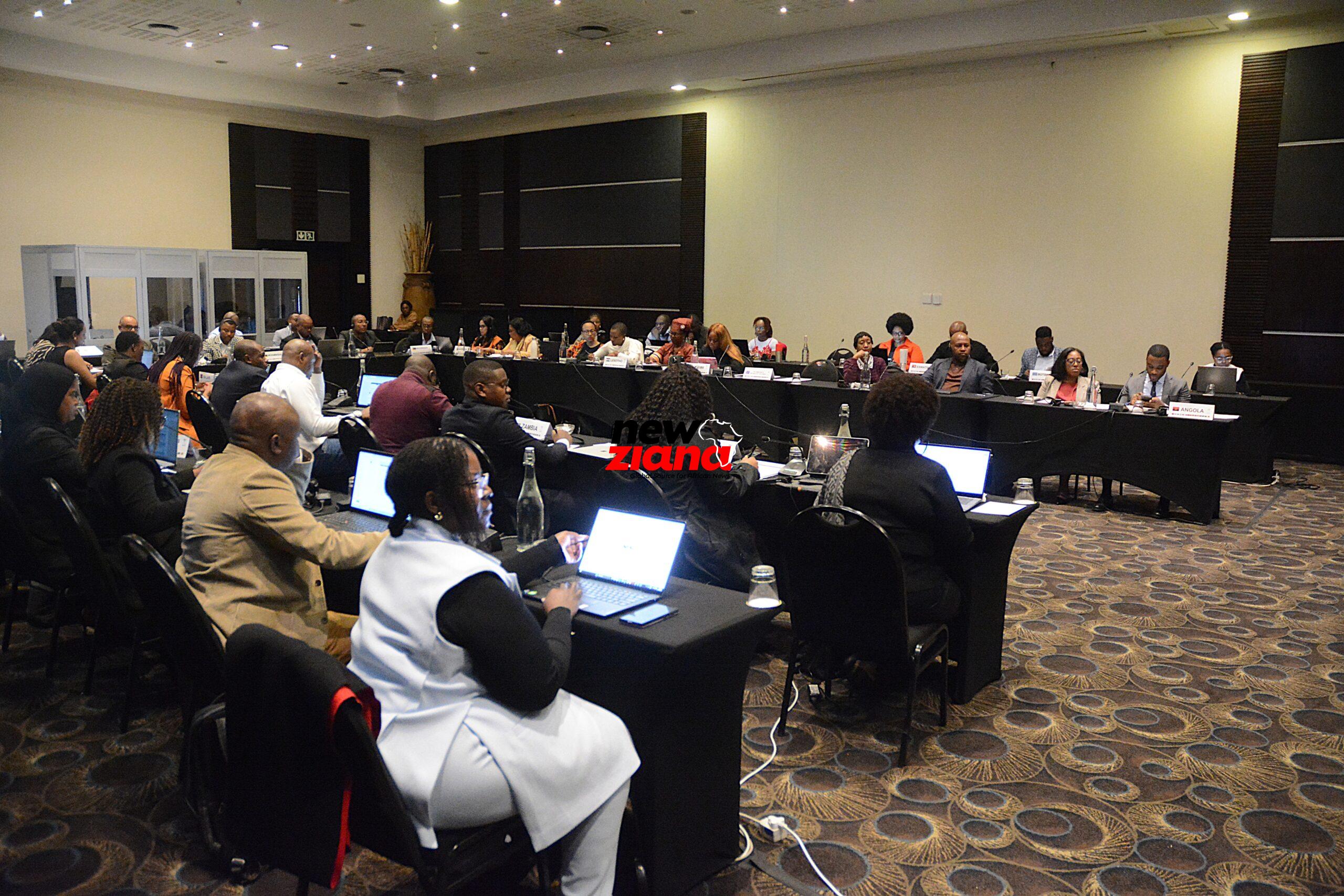
Ms Sekgoma was speaking on Thursday at the opening of a three-day Capacity Building Workshop for Researchers, Legal and Human Rights Officers of Parliament on Integrating a Rights-Based Approach to Parliamentary Processes, which is being held in Johannesburg from 20 to 22 August 2026 with the financial support of Sweden.
Convened by SADC PF in partnership with Ipas, the workshop brings together parliamentary officials from across the SADC region and civil society partners to strengthen skills for identifying and analysing emerging anti-rights narratives, tactics and legislative strategies.
The training follows a Parliamentary Dialogue convened by SADC PF in Johannesburg from 30 to 31 July 2026, which examined emerging anti-rights trends and their implications for human rights, gender equality and sexual and reproductive health and rights (SRHR).
That Dialogue produced a draft regional roadmap designed to help Parliaments move from largely reactive responses towards more coordinated, evidence-based and anticipatory approaches to safeguarding human rights. The current workshop is one of the first practical steps towards implementing that roadmap.
Welcoming participants, Ms Sekgoma said the workshop was intended to equip parliamentary officials with tools to engage meaningfully with increasingly complex rights-related debates.
The training, she said, was “aimed at ensuring that we bring you up to speed on the cutting-edge issues required, or tools that are required, for you to have in order to participate in any narrative related to rights, to gender, among others.”
She stressed that parliamentary researchers and legal officers occupy an important position because their analysis, advice and institutional knowledge influence committee deliberations, legislative scrutiny and the quality of information available to lawmakers.
Ms Sekgoma encouraged participants not to regard the workshop as an isolated training exercise, but to take the lessons back into their national Parliaments.
“Beyond this training, find those members and share with them what your insights are regarding this particular process,” she said, referring to Members of Parliament who participate in SADC PF structures.
She added, “The committees that you service should also be apprised of what it is that you have learned, and what your views are from a context of your country.”
The Secretary General also used the opening session to underline SADC PF’s regional mandate and the importance of strengthening African parliamentary institutions and African-generated responses to regional challenges.
She said the Forum, which brings together 15 Member Parliaments of the Southern African Development Community, has access through its national legislatures to thousands of democratically elected parliamentarians from both ruling and opposition parties.
She urged researchers and legal officers to make greater use of SADC PF instruments when undertaking comparative legal and policy research, rather than looking only to global institutions.
“When you look at the United Nations document, also look at what has been developed in the region,” she said.
Ms Sekgoma highlighted SADC PF Model Laws and minimum standards as regional resources that could assist national Parliaments to close legislative gaps and benchmark laws against agreed human rights principles.
She cited, among others, the SADC Model Law on Eradicating Child Marriage and Protecting Children Already in Marriage, the Model Law on Gender-Based Violence, the Model Law on Elections, the Model Law on Public Financial Management, and the Forum’s work relating to prison oversight.
According to Ms Sekgoma, these instruments are grounded in established international and continental human rights frameworks, including the International Covenant on Civil and Political Rights, the International Covenant on Economic, Social and Cultural Rights, the African Charter on Human and Peoples’ Rights and the Maputo Protocol.
“We have homegrown solutions in the SADC region by members of Parliament,” she said.
She pointed to Mozambique as an example of a country that explicitly drew on the SADC Model Law on child marriage as a benchmark in developing national legislation. She described the move as bold because model laws constitute soft law and are not always given sufficient prominence by national legal systems.
Ms Sekgoma said SADC PF’s engagement with the emerging anti-rights phenomenon was rooted in its longstanding commitment to gender equality, human rights and fundamental freedoms.
“We cannot afford as a SADC Parliamentary Forum to undermine gender equality, which is the determinant of human rights and fundamental freedoms,” she told participants.
She encouraged participants to interrogate how exclusion can manifest in debates relating to vulnerable and marginalised groups, comprehensive sexuality education, unintended pregnancies, safe abortion and other contested areas of SRHR.
She also invited them to examine underlying structural inequalities, including patriarchy, disparities in access to education and employment, wage inequality and discriminatory inheritance practices.
Ms Sekgoma cautioned, however, that the exercise requires an appreciation of national context and of the tensions that can arise around culture, religion and claims of “Westernisation”.
The concept underpinning the workshop similarly distinguishes between legitimate democratic disagreement and organised efforts to limit, reinterpret or roll back established protections. It recognises that matters of faith, family, culture and sexuality remain legitimate subjects of parliamentary debate, while calling for greater capacity to identify coordinated strategies that could weaken existing human rights safeguards.
Ms Tafadzwa Madondo, Regional Policy and Advocacy Manager for Ipas Africa Southern Region, welcomed the parliamentary officials and stressed their influence on policy development and implementation.
“You play a very critical role,” she told the legal researchers and parliamentary officers, particularly in relation to the regional SRHR environment and the development and implementation of public policy.
Ms Madondo said the workshop reflected the growing partnership between Ipas and the SADC PF Secretariat and represented a concrete follow-up to the July Dialogue.
She praised the Forum for moving quickly to begin implementing the commitments emerging from that meeting.
“The SADC Parliamentary Forum, collaborating with Ipas, will be taking forward the roadmap that was agreed upon in the meeting in July,” she said.
Ms Madondo also acknowledged Ms Sekgoma’s leadership in advancing the process and thanked SADC PF for supporting the participation of delegates.
The workshop will expose participants to legislative and policy analysis, case studies, regional and international experiences, group work and peer exchange. Participants will also test and refine a Parliamentary Scrutiny Toolkit intended to help researchers, legal experts and parliamentary committees identify potentially regressive language, assess evidence and ask pertinent questions when reviewing bills and policy proposals.
The draft roadmap underpinning the initiative is organised around five broad pillars: legislative leadership and human rights; parliamentary oversight and accountability; representation, public engagement and strategic communication; evidence, research and knowledge generation; and regional cooperation and partnerships.
The three-day workshop is expected to contribute directly to refining that roadmap while strengthening cooperation among parliamentary researchers, legal officers, civil society organisations and technical partners.
Organisers envisage that the process will produce a cadre of parliamentary champions and technical focal persons capable of sharing information across borders, identifying emerging risks early and supporting lawmakers with credible, rights-based evidence.
The SG stressed that for SADC PF, the Johannesburg workshop signals a deliberate shift from identifying a regional challenge to equipping the people who work closest to the legislative process with the tools to act.
As she reminded participants, the region already possesses treaties, parliamentary instruments and home-grown legal benchmarks. The task now is to ensure that they are known, researched, cited and used when national Parliaments confront the complex rights debates of the present and future.
- Dr Moses Magadza is the Media and Communications Manager at the SADC Parliamentary Forum.
CAPTIONS:
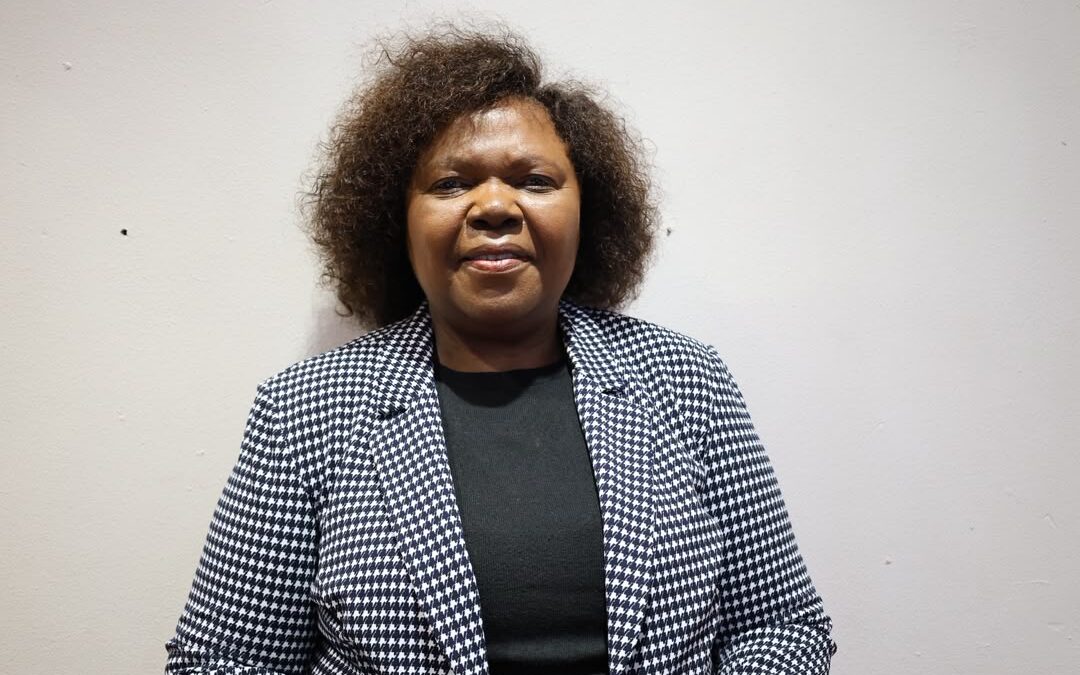
The Secretary General of the SADC Parliamentary Forum (SADC PF), Ms Boemo Sekgoma speaks at the start of a Capacity Building Workshop for Researchers, Legal and Human Rights Officers of Parliament on Integrating a Rights-Based Approach to Parliamentary Processes.
Delegates attend a Capacity Building Workshop for Researchers, Legal and Human Rights Officers of Parliament on Integrating a Rights-Based Approach to Parliamentary Processes in Johannesburg, South Africa. Photos: Moses Magadza, SADC PF