Harare, (New Ziana) – Zimbabwe is stepping up efforts to strengthen the implementation of its National Action Plan on United Nations Security Council Resolution 1325 on Women, Peace and Security as the country prepares to assume a non-permanent seat on the UN Security Council for the 2027–2028 term.
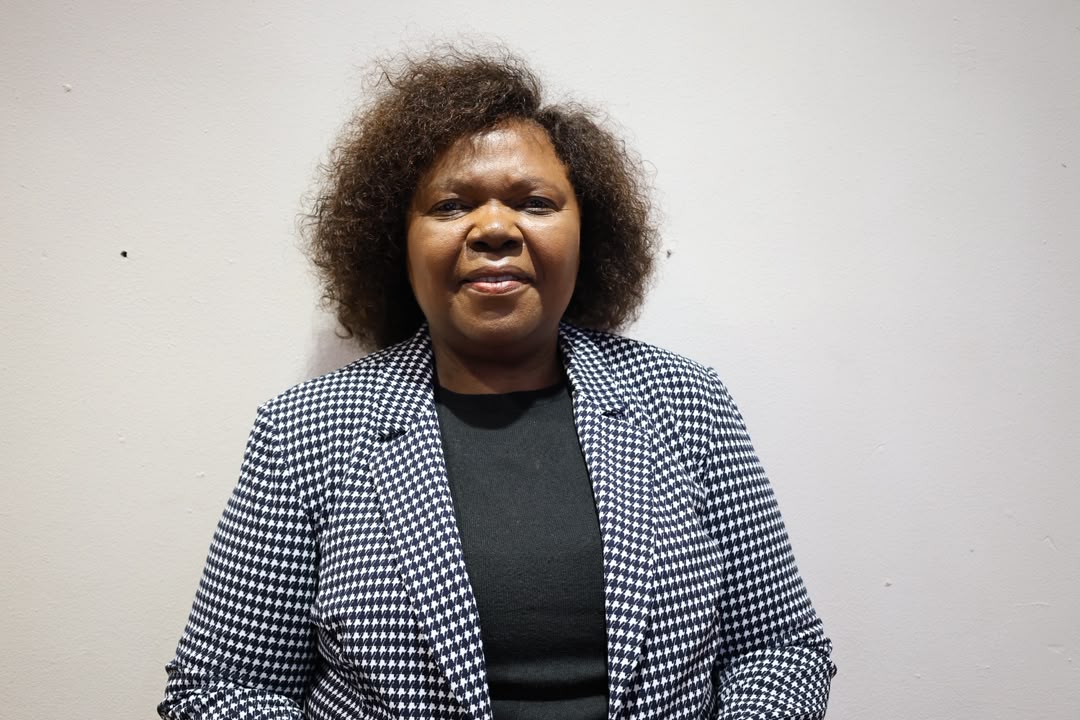
Speaking at a combined capacity-building and National Action Plan Steering Committee workshop in Harare on Thursday, permanent secretary for Women Affairs, Community, Small and Medium Enterprises Development, Dr Mavis Sibanda, said the position on the global security body presented an important opportunity to deepen awareness and accelerate implementation of the Women, Peace and Security agenda.
She said the country’s diplomatic achievement came with an added responsibility to ensure that the principles of Resolution 1325 were understood and implemented across all sectors, adding that sustainable peace could not be achieved without the meaningful participation, protection and leadership of women and girls.
“The WPS agenda must not remain confined to policy documents, its real measure of success is at the community level,” she said, underscoring the importance of provincial and district structures in translating national policy into action.
Dr Sibanda said the country’s understanding of peace went beyond the absence of conflict to include human security, social cohesion, disaster resilience, protection from gender-based violence, access to justice, inclusive governance and equal opportunities.
She cited the looming impact of the second El Niño cycle and migration-related peace and security challenges as pressing human security concerns requiring greater attention, particularly among women, girls and returnees from South Africa who face specific protection and reintegration challenges.
The Zimbabwe National Action Plan is anchored on four pillars – Prevention, Protection, Participation, and Relief and Recovery – and provides a five-year framework for coordinated action by Government and other stakeholders.
Dr Sibanda said the government had established the National Action Plan Steering Committee in 2025 to strengthen national ownership, coordination and accountability, but stressed that establishing the structure was only the beginning.
She said the workshop was expected to assist participants clarify their roles, strengthen coordination and develop practical tools to mainstream the Women, Peace and Security agenda into existing planning processes.
“We want all of you, including our provincial and district officers, to leave with practical knowledge and tools to mainstream the WPS agenda into your planning processes, not as an additional programme but as a framework that strengthens the inclusiveness and responsiveness of existing development interventions,” Dr. Sibanda said.
Dr Sibanda also called for the finalization and adoption of the Terms of Reference for the National Steering Committee, saying clear mandates, membership, reporting lines and accountability arrangements were essential for effective coordination.
She said implementation of the National Action Plan was a shared responsibility requiring the participation of civil society, women’s organizations, academia, development partners, UN agencies, traditional leaders, local authorities and communities.
“Government cannot achieve the objectives alone,” she said, adding that the strength of the National Action Plan would ultimately depend on the strength of partnerships among all stakeholders.
Dr Sibanda urged participants to emerge from the workshop with concrete decisions, clearly assigned responsibilities, realistic timelines and measurable actions, with the ultimate goal of building a country where women are protected from insecurity and empowered to lead and participate in decisions on peace, security and development.
New Ziana