By Tapiwa Chawagarira
THE Government has eased the financial burden of upgrading Zimbabwe’s sporting infrastructure by suspending customs duties on a range of essential stadium equipment and specialised sports infrastructure imports.
The duty suspension, set out in Statutory Instrument 142 of 2026, is expected to significantly boost efforts by local authorities, sports bodies, and other approved institutions to modernise public sporting facilities and bring more venues up to international standards.
Under the new Customs and Excise regulations, duties have been waived on critical imports required for the construction and major refurbishment of approved public sporting facilities.
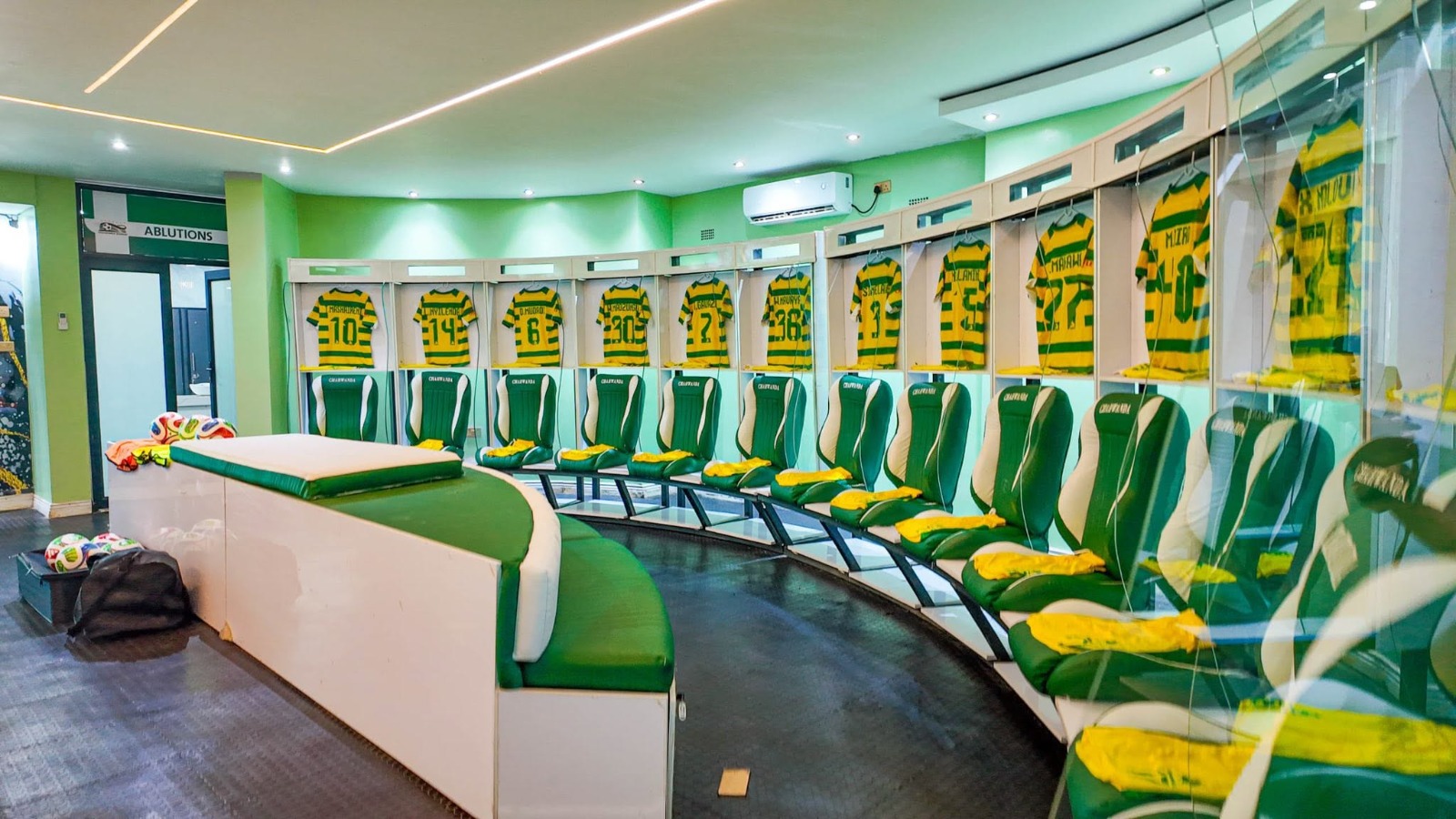
The equipment covered includes specialised sports equipment, modern turf systems, stadium seating, electronic scoreboards, and stadium lighting equipment.
The move comes at a time when Zimbabwe is intensifying efforts to rehabilitate and modernise its major sporting venues, with several stadiums having fallen short of the requirements for hosting international matches.
However, the tax relief will only apply to equipment intended for use at qualifying public sporting facilities, certified by the Minister responsible for Sport and approved under the provisions of the new regulations.
Strict conditions have also been put in place to ensure that the facility is used for genuine sports development and that the duty suspension is not abused for commercial purposes.
Applicants seeking to benefit from the concession will be required to submit a written application to the Commissioner of Customs and provide full, itemised particulars of the goods they intend to import.
They will also be expected to furnish a signed declaration confirming that the equipment will be used exclusively for sporting purposes, along with a valid Zimbabwe Revenue Authority (ZIMRA) Tax Clearance Certificate.
The regulations further stipulate that facilities must be registered with the Sports and Recreation Commission (SRC), with the registration in place for at least one year before an application for the duty suspension can be considered.
As another safeguard, beneficiaries will not be allowed to sell or otherwise dispose of the duty-free goods within five years without prior approval from the Commissioner and payment of the duty that was initially suspended.
They will also be required to maintain detailed records, including receipts and information relating to the storage, use, and eventual disposal of the imported equipment, which may be subject to official audits.
The development is likely to be welcomed by local authorities and sports administrators who, for years, have cited the high cost of imported equipment as one of the major obstacles to stadium rehabilitation and infrastructure development.
For Zimbabwean football, the policy intervention could prove particularly significant, as the country continues to grapple with the challenge of bringing its stadiums up to the standards required by continental and international football bodies.
The rehabilitation of venues such as the National Sports Stadium and other major facilities across the country has become increasingly urgent following years in which Zimbabwean clubs and national teams have, at times, been forced to play international fixtures away from home because of the shortage of approved venues.
By removing customs duties on key infrastructure components such as turf, floodlighting, seating, and electronic scoreboards, the Government’s latest intervention could reduce the overall cost of major stadium upgrade projects and accelerate the return of international sport to Zimbabwean soil.
The measure also provides a potential lifeline for municipalities and sporting institutions seeking to transform ageing facilities into modern venues capable of hosting high-profile domestic, regional, and international competitions.
As Zimbabwe pushes to restore its sporting infrastructure, the duty suspension is being seen as a significant policy intervention that could help turn long-delayed stadium rehabilitation plans into reality and, ultimately, bring the roar of international sport back to home grounds.