
By Fortunate Gunde
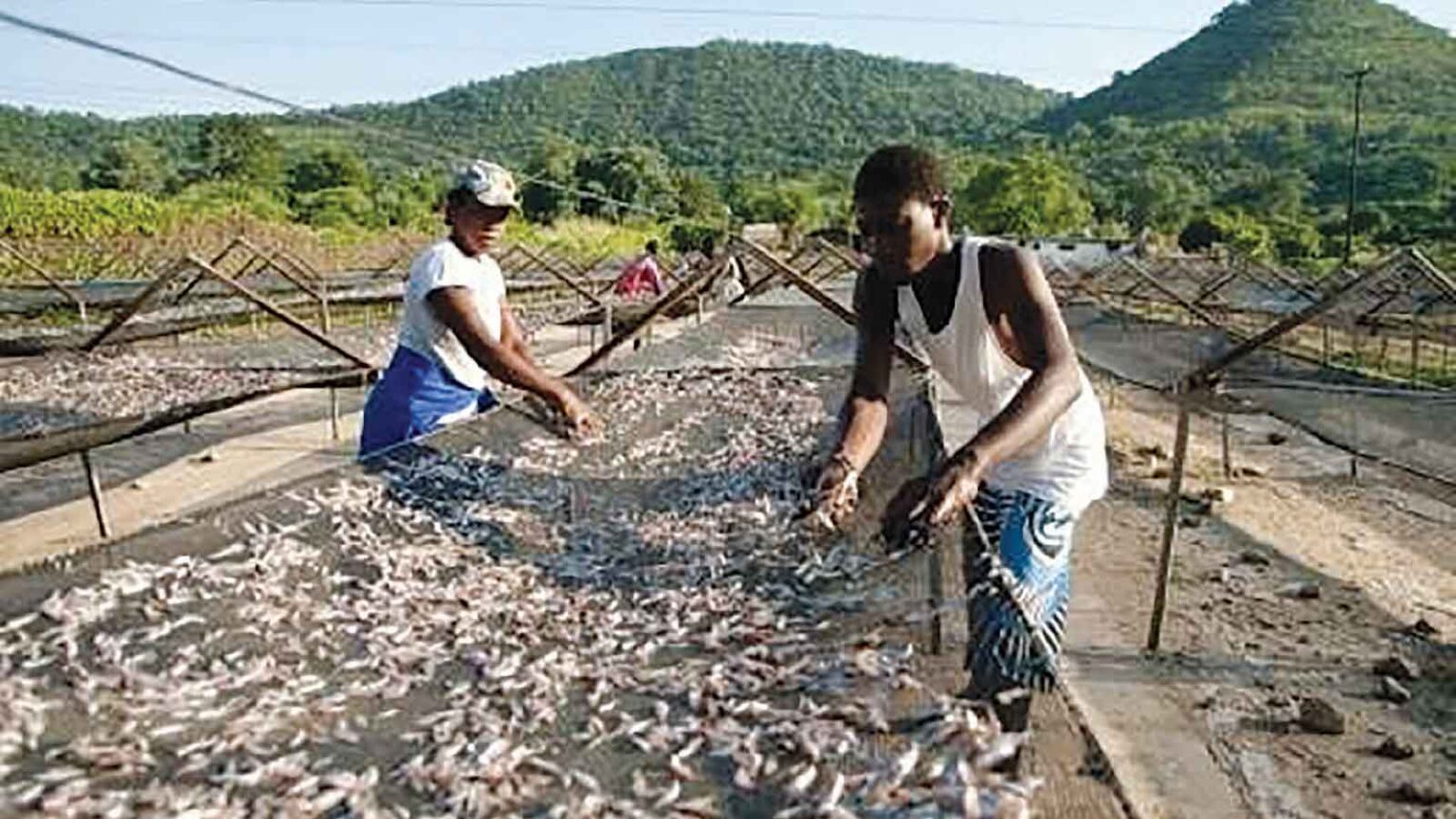
KARIBA—Lake Kariba fisheries stakeholders have raised concerns over the mounting fishing pressure threatening kapenta stocks, as the number of commercial rigs on the lake has surged from around 500 shared by Zimbabwe and Zambia in 1990 to over 2,470 today.
Nesbert Mapfumo, secretary-general of the Zimbabwe Kapenta Producers Association, noted that the rapid proliferation of fishing rigs—including illegal operations—has intensified the strain on kapenta, the small sardine-like fish scientifically known as Limnothrissa miodon.
“There are too many people fishing for kapenta, and once these rigs are in the water, the pressure on the stock becomes very high. There is also an element of overfishing in the lake because there are so many fishing rigs,” he said.
These concerns come as fishing communities already face declining catches and mounting livelihood pressures, raising questions about whether the lake can sustain the growing fishing effort. Government and industry stakeholders are expected to discuss measures to control fishing pressure, including a possible limit on rigs and a closed fishing season.
Mapfumo said Zimbabwe and Zambia now have about 470 licensed rigs, while Zambia alone has more than 2,000. He attributed part of the increase to illegal fishing.
“Overfishing is also a problem because there are too many rigs,” he said.
Local fishers said they were already seeing the effects of increased fishing pressure.
“The lake cannot support this number of rigs and people,” said Chrispen Chitiyo, a kapenta fisherman.
Another fisherman, Evans Kahuni, said catches were falling despite increased effort.
“We work harder and get less. There is overfishing of kapenta in Lake Kariba,” he said.
Research has previously linked fishing pressure to declining kapenta productivity. A University of Zimbabwe study found that catch per unit effort on the Zimbabwean side fell from 0.6 in 1997 to 0.13 in 2009, concluding that fishing pressure needed to be controlled.
The problem is significant because kapenta provides food and income for fishing communities around Lake Kariba. Research in Zimbabwe’s Sanyathi basin found that fishing remains a primary livelihood, while declining fishing income has contributed to food insecurity among these households.
Earlier regional fisheries assessments also identified increased fishing effort, illegal practices, and undersized nets as factors associated with declining kapenta catches in Lake Kariba.
Mapfumo said the industry was engaging with the government over measures to reduce fishing pressure.
“For us to cope with this, we continue to engage the government while we are saying the rigs must be reduced,” he said.
The Ministry of Agriculture, Mechanisation and Water Resources Development is expected to meet with fisheries stakeholders next month to discuss a possible cap on rigs and a closed season.