By Johnson Siamachira
Harare, (New Ziana)— Conservation organisations should turn community-based natural resource management into measurable improvements in livelihoods and ecosystems as drought, land degradation, biodiversity loss and pressure on forests and wetlands intensify, a senior government official has said.
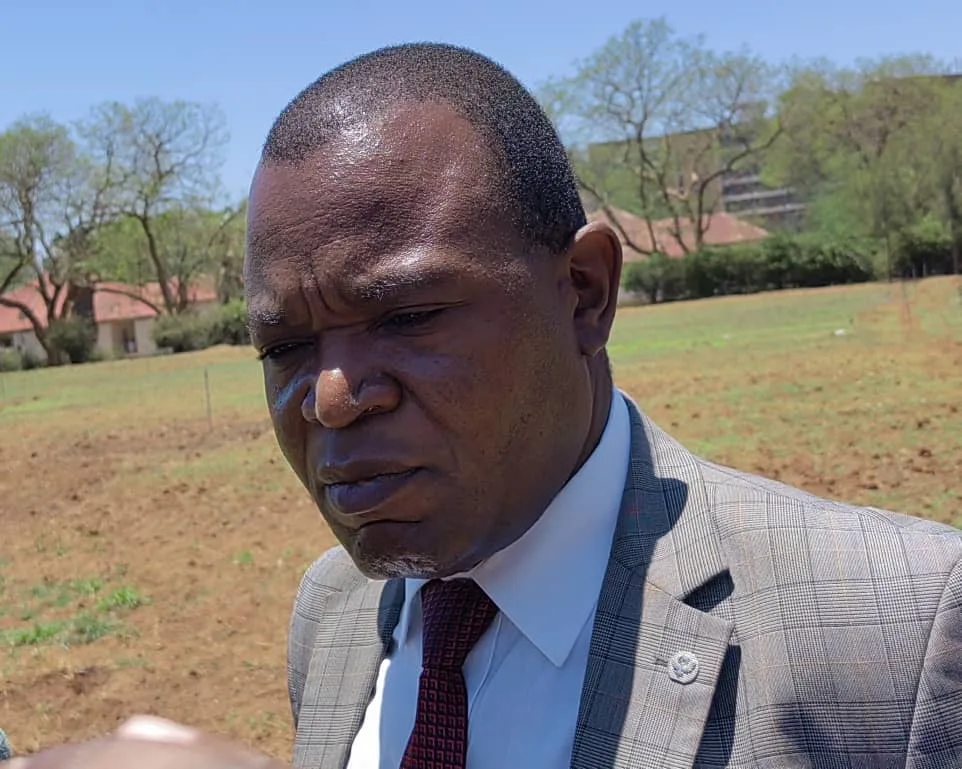
Permanent secretary in the Ministry of Environment, Climate and Wildlife Simon Masanga said this in a speech read on his behalf by Angella Kabira, acting deputy director for environmental quality, at the official launch of SAFIRE’s strategic plan in Harare on Thursday.
He said the government expects the Southern Alliance for Indigenous Resources (SAFIRE) to deliver tangible results under its 2026-2030 strategic plan rather than produce another policy document.
“A strategy is only as good as the results it delivers,” he said further challenging SAFIRE and its partners to translate the plan into “restored ecosystems, protected wetlands and forests, climate-resilient communities, sustainable livelihoods and stronger biodiversity outcomes.”
The push comes as Zimbabwe enters a new phase of climate and environmental policy in which communities are expected to play a greater role in managing and benefiting from natural resources.
The Parks and Wildlife Amendment Act No. 4 of 2025, which came into force in November 2025, strengthened the legal framework governing wildlife and community participation.
SAFIRE’s new strategy prioritises ecosystem restoration, climate resilience, biodiversity conservation, sustainable nature-based enterprises and management of forests and wetlands.
Masanga said those priorities align with the government’s National Development Strategy 2 for 2026-2030, which identifies ecosystem integrity, restoration of degraded land, wildlife management and climate resilience as national priorities.
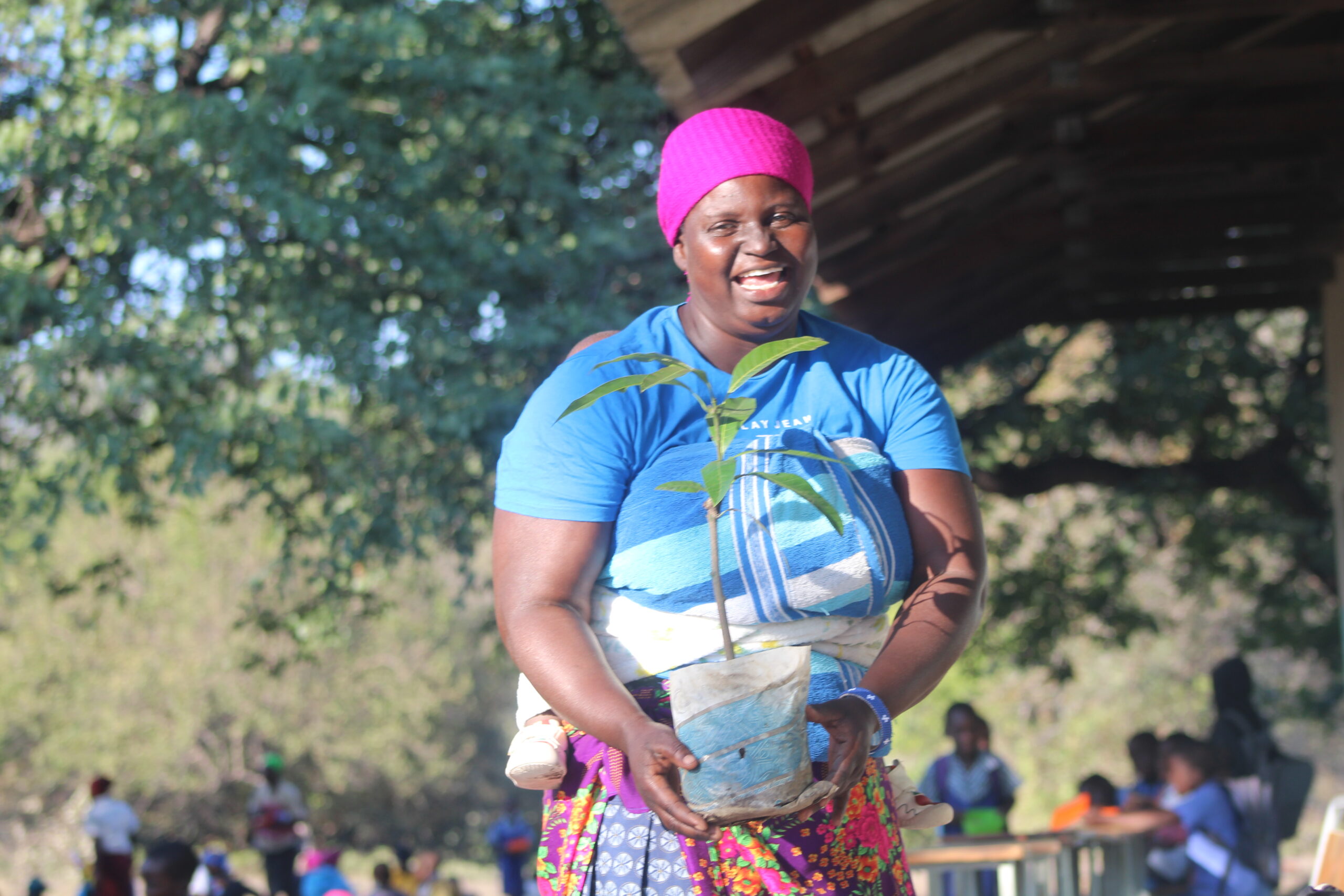
The strategy also calls for community-led measures to prevent veld fires and expanded afforestation and reforestation.
Zimbabwe’s climate pressures have made such interventions increasingly urgent. A United Nations assessment found rising temperatures, declining rainfall trends and more frequent droughts are affecting agriculture, forestry, biodiversity and rural livelihoods.
The 2023-24 El Niño induced drought contributed to a 70 per cent decline in cereal production and prompted the government to declare a state of disaster.
Founded in 1994, SAFIRE works with rural communities in Manicaland, Masvingo and Matabeleland South provinces.
According to information provided by the organisation, its programmes have reached more than 33,000 households over the past decade, increased average monthly household income by US$165, planted more than 500,000 trees and restored 50,000 hectares of degraded land.
Masanga said the government would continue working with civil society and development partners but stressed that partnerships should complement rather than replace state responsibilities.
“We cannot protect nature without protecting people, and we cannot build resilient communities without protecting nature,” he said.
SAFIRE recently received the Environmental Stewardship & Social Impact Award at the 2026 Manicaland Province CSR, ESG & Responsible Business Awards for its community conservation work.
Its 2026-2030 plan now places it under pressure to demonstrate whether community-led conservation can deliver lasting environmental and economic gains by the end of the decade.
New Ziana