
By Zachary Gava
Harare, (New Ziana) — Government has unveiled a broad package of humanitarian, infrastructure and disaster-risk reduction measures to support communities affected by the Lake Kariba ferry disaster, while seeking to strengthen the resilience and safety of people who depend on the lake for transport and livelihoods.
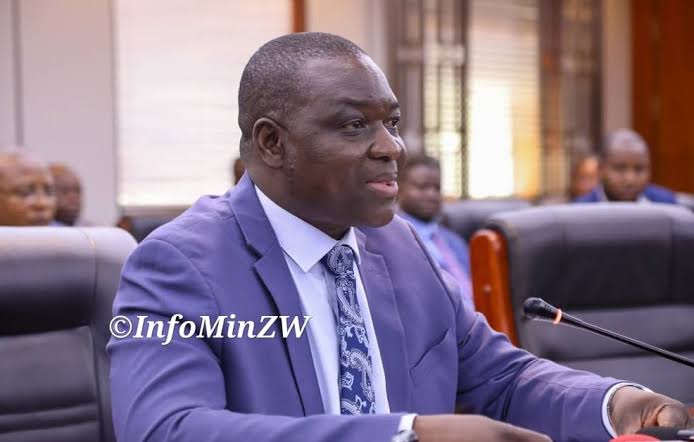
Information, Publicity and Broadcasting Services Minister, Dr Zhemu Soda said Cabinet had adopted immediate interventions covering humanitarian relief and psychosocial support, recovery and resilience building, transport and infrastructure development, and community training in disaster risk reduction.
“Cabinet received and adopted the immediate measures to assist communities affected by the Lake Kariba ferry disaster,” he said at a post-Cabinet media briefing on Tuesday.
The measures come in the wake of the August 11 capsizing of the Rural Infrastructure Development Agency (RIDA)-operated Mbuya Nehanda ferry near Long Island on Lake Kariba, in one of Zimbabwe’s deadliest transport disasters.
The ferry, which was authorised to carry 90 passengers, was reported to have been carrying substantially more people when it overturned in rough conditions while travelling from Kariba town towards Chalala Fishing Camp.
Seventy-seven people were rescued, while the death toll subsequently rose to 97, according to police.
Lake Kariba, which straddles Zimbabwe and Zambia, stretches for more than 200 kilometres and is one of the world’s largest man-made water reservoirs by volume.
Dr Soda said Government’s humanitarian response would include the deployment of skilled personnel to provide mental-health support to affected families and communities, alongside emergency supplies, child protection measures and efforts to ensure continuity of education.
On recovery and resilience, Cabinet prioritised initiatives aimed at widening economic opportunities, providing vocational training and rebuilding community assets damaged or disrupted by the disaster.
Transport and infrastructure interventions will focus on repairing roads, replacing the ferry, establishing affordable ferry services and strengthening early-warning systems, including the use of weather stations, drones and improved communication equipment.
“A comprehensive emergency response plan has been prioritised,” Dr Soda said, adding that Government would also work to improve community amenities and access to water and sanitation.
The emphasis on early-warning systems and water safety follows concerns raised after the disaster over the challenges of operating on the vast lake during hazardous weather.
Cabinet also resolved to strengthen community preparedness through training in water safety, first aid and disaster response, with educational institutions expected to play a role in building local capacity.
Dr Soda said the Government would further prioritise the timely disbursement of funds from the National Civil Protection Fund, ensuring that resources reach affected communities more quickly during disasters.
The measures signal a shift from emergency rescue and relief towards longer-term recovery, with Government seeking to address not only the immediate humanitarian needs arising from the tragedy but also the transport, infrastructure and preparedness gaps that left lakeside communities particularly vulnerable.
The Government’s response comes as affected communities continue to grapple with the loss of the ferry, which had served as a vital transport link across Lake Kariba.
New Ziana