

By Tapiwa Chawagarira
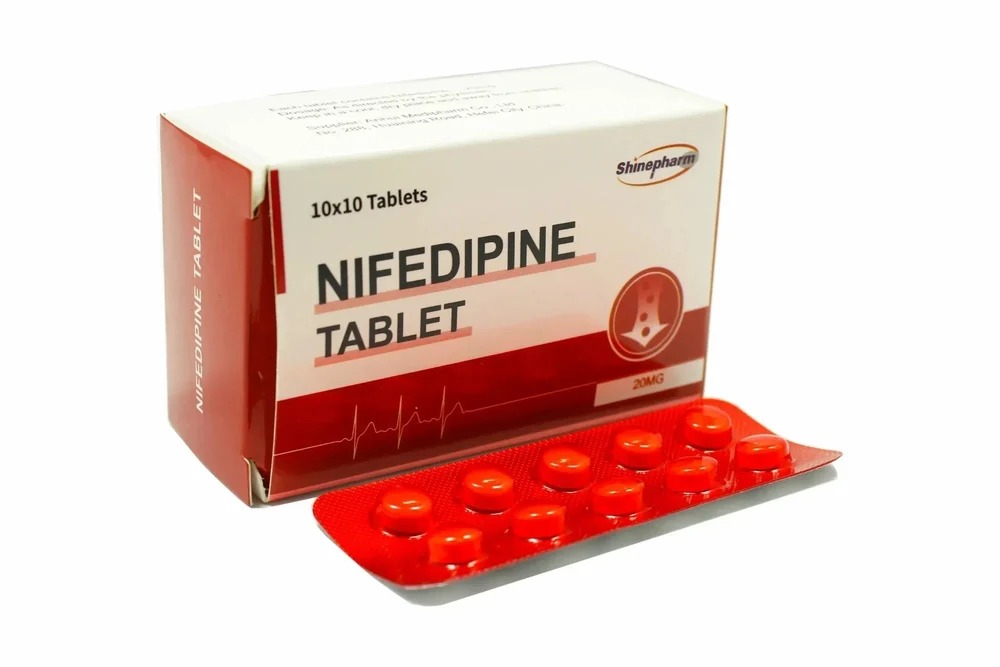
THE Medicines Control Authority of Zimbabwe (MCAZ) has taken steps to calm growing public concern over the recall of nifedipine, emphasising that the regulatory action is limited to two specific batches and does not constitute a ban on the widely used blood pressure medicine.
This clarification follows confusion among patients after the authority’s recall notice, with some members of the public reportedly unsure whether they should stop taking nifedipine altogether.
MCAZ stated that the recall concerns only two batches of 10 milligram nifedipine manufactured by Remedica Limited of Cyprus—batches 112033 and 117367. The original recall was issued under Circular No. 22 of 2026 as a Class II recall extending to the retail level.
MCAZ Head of Licensing and Enforcement, Caroline Dandira-Samatanga, said the regulator was not withdrawing nifedipine as a medicine, but was taking precautionary action regarding the affected batches.
“Recalling these two batches of nifedipine in this particular case means that we identified two batches that had been circulated in Zimbabwe. We are not banning nifedipine as a molecule,” Dandira-Samatanga said in a clarification reported by the Zimbabwe Broadcasting Corporation.
She stated that other brands of nifedipine supplied by different manufacturers remain unaffected, as do other strengths of the medicine.
The recall was triggered by quality concerns identified during stability testing. MCAZ’s original notice reported out-of-specification results involving the dissolution profile of the affected nifedipine batches.
Dandira-Samatanga explained that the findings did not mean nifedipine itself was unsafe, but that the affected batches had to be removed from circulation as a precautionary measure.
“People are therefore free to continue taking other brands from other manufacturers,” she said, adding that the 20 milligram formulation is also not affected by this recall.
This development highlights the importance of patients checking the details of medicines in their possession, rather than relying on social media messages suggesting that an entire medicine has been banned.
MCAZ has advised patients who possess either of the affected 10 milligram batches to return the medicine to the pharmacy or outlet where it was obtained for replacement. The regulator emphasised that patients should not abandon their prescribed treatment without securing an appropriate replacement.
The Ministry of Health and Child Care has also confirmed that the MCAZ notice circulating publicly is genuine and is part of the authority’s routine regulatory and post-market surveillance activities.
The recall is part of a broader quality control exercise involving medicines manufactured by Remedica. MCAZ also recalled specified batches of Levodopa/Carbidopa tablets, which are used in the management of Parkinson’s disease and Parkinsonism, after quality concerns were detected.
For patients taking nifedipine, the immediate concern is the batch number and manufacturer, rather than nifedipine as a whole.
MCAZ’s latest clarification is intended to distinguish between a product recall, which removes identified batches from circulation, and a medicine ban, which would prevent the use or supply of the medicine more broadly.
Patients who are uncertain about their medication are encouraged to consult their pharmacist, health facility, or MCAZ, rather than stopping treatment based on unverified information circulating on social media.