BUBI – Nkomwa Foundation Trust (NFT) used the Bubi District Business Expo and Agricultural Show to push for greater economic inclusion of persons with disabilities, challenging communities and businesses to view disability through the lens of opportunity rather than charity.
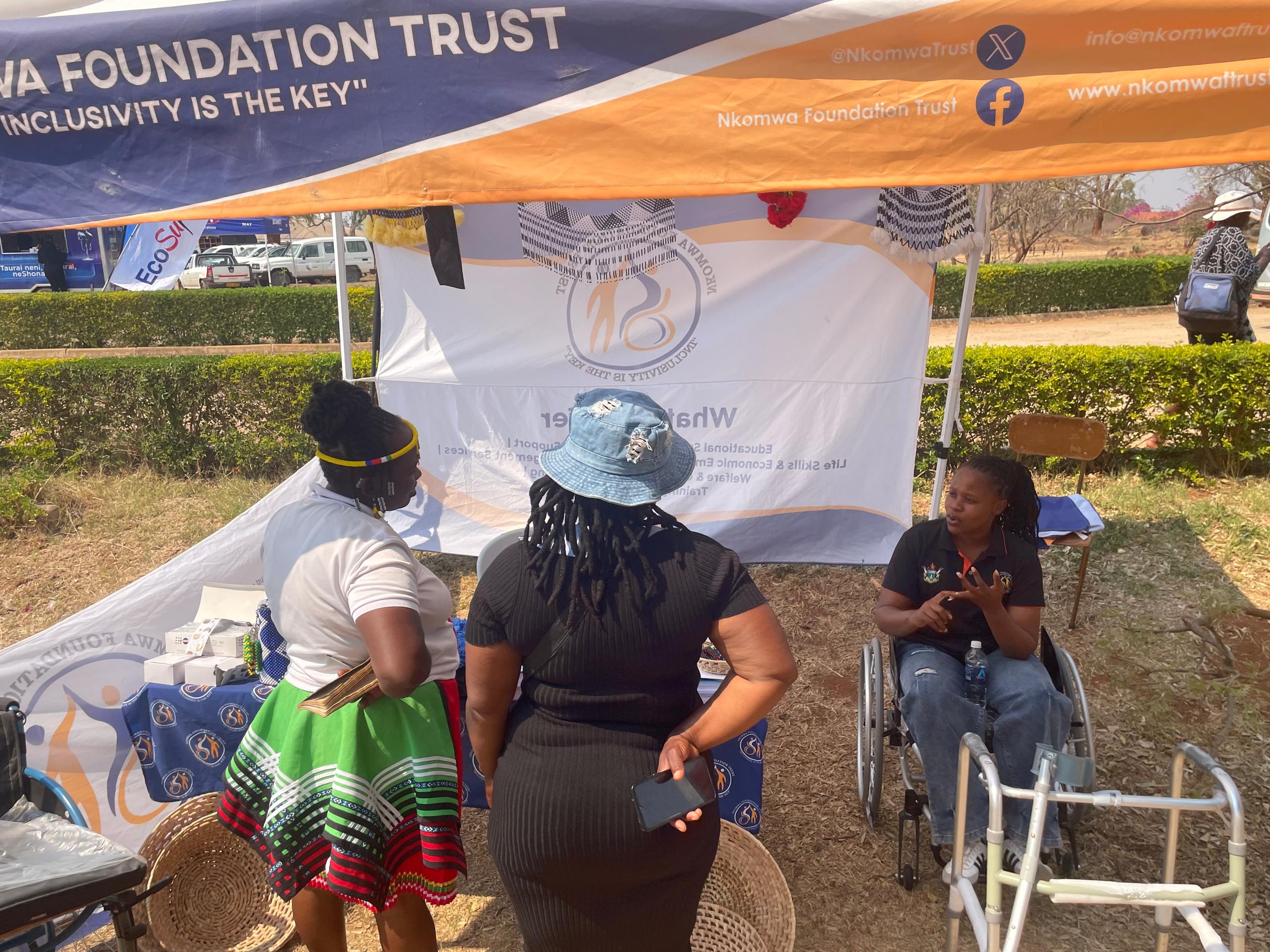
NFT participated in the two-day expo held at Inyathi Training Centre under the theme, “Resilient and Gainful Enterprises Towards Vision 2030: Our Collective Responsibility.”
The event brought together farmers, small-scale miners, entrepreneurs, Government representatives, businesspeople, and other stakeholders to showcase locally produced goods and services and create opportunities for businesses to establish markets and partnerships.
NFT used the platform to showcase its work, engage with businesses and communities, and interact with learners and other participants on the need to remove barriers that prevent persons with disabilities from fully participating in economic activities.
Speaking to journalists after the expo, NFT Director Dr Pick Nkomwa said the organisation’s participation had reinforced the importance of treating disability inclusion as an economic development issue.
“Two days at the Bubi District Business Expo have reinforced one powerful message: inclusion is not charity—it is economic development,” Dr Nkomwa said.
He said persons with disabilities should be recognised for their contribution to local economies rather than being viewed primarily as recipients of assistance.
“At Nkomwa Foundation Trust, we believe Persons with Disabilities (PWDs) must be recognised not merely as beneficiaries, but as entrepreneurs, producers, innovators, consumers and drivers of local economic growth,” he said.
Dr Nkomwa said the expo had provided NFT with an important platform to challenge perceptions about disability while building relationships with businesses and communities.
“Our participation gave us an opportunity to showcase our work, connect with businesses and communities, engage learners, and challenge perceptions about disability,” he said.
He called for the conversations initiated at the expo to translate into practical opportunities for persons with disabilities.
“The conversations we started must not end at the Expo. We need more inclusive businesses, accessible opportunities and partnerships that turn potential into participation,” said Dr Nkomwa.
The call for stronger local economic participation came as Bubi stakeholders highlighted the district’s productive capacity and the need to create stronger markets for locally produced goods.
Bubi Rural District Council chief executive officer Dr Patson Mlilo said the district had the potential to produce sufficient food for its population and urged residents to support local producers by consuming goods made within the district.
He said the exhibition was providing local producers with an opportunity to demonstrate what they could offer while building connections with potential customers and business partners.
Dr Mlilo also credited Government’s land allocation initiatives with helping farmers establish livelihoods and contribute to food production in the district.
“If I had powers, I would ban produce from other districts so that locals will rely on what we can produce. As a district we are able to feed ourselves,” he said.
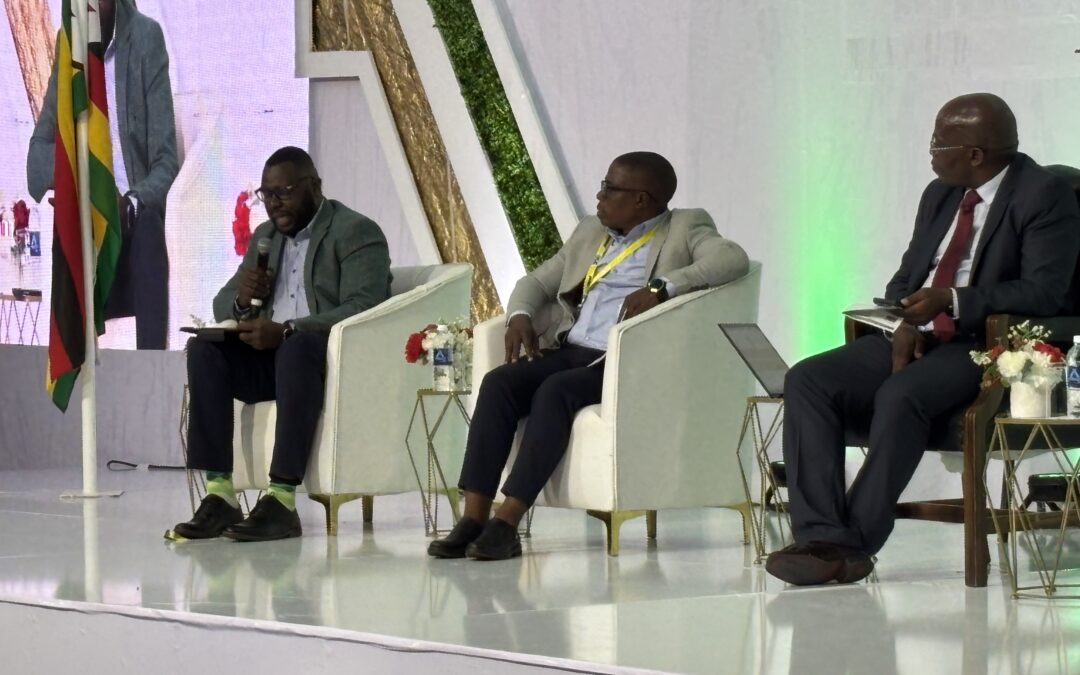
The expo was also attended by Permanent Secretary in the Ministry of Women Affairs, Community, Small and Medium Enterprises and Development Dr Mavis Sibanda, who toured exhibition stands alongside President of the Chiefs Council Chief Mtshane Khumalo, Dr Mlilo, councillors and officials from various Government ministries.
NFT’s participation in the Bubi expo is part of its broader effort to promote disability inclusion. The organisation emphasises that people with disabilities should have meaningful access to entrepreneurship, markets, employment, and other avenues of economic participation.
Dr Nkomwa said removing barriers, rather than simply offering sympathy, was critical to ensuring that no one was excluded from the country’s development agenda.
“Let us stop feeling sorry for PWDs. Let us remove the barriers that hold them back. Inclusivity is the key,” he said.