By Fortunate Gunde
MOLA, Kariba — The government plans to establish a large-scale irrigation scheme in Mola, Nyaminyami District, using water from Lake Kariba to improve food security and livelihoods in one of Zimbabwe’s driest and most isolated communities.
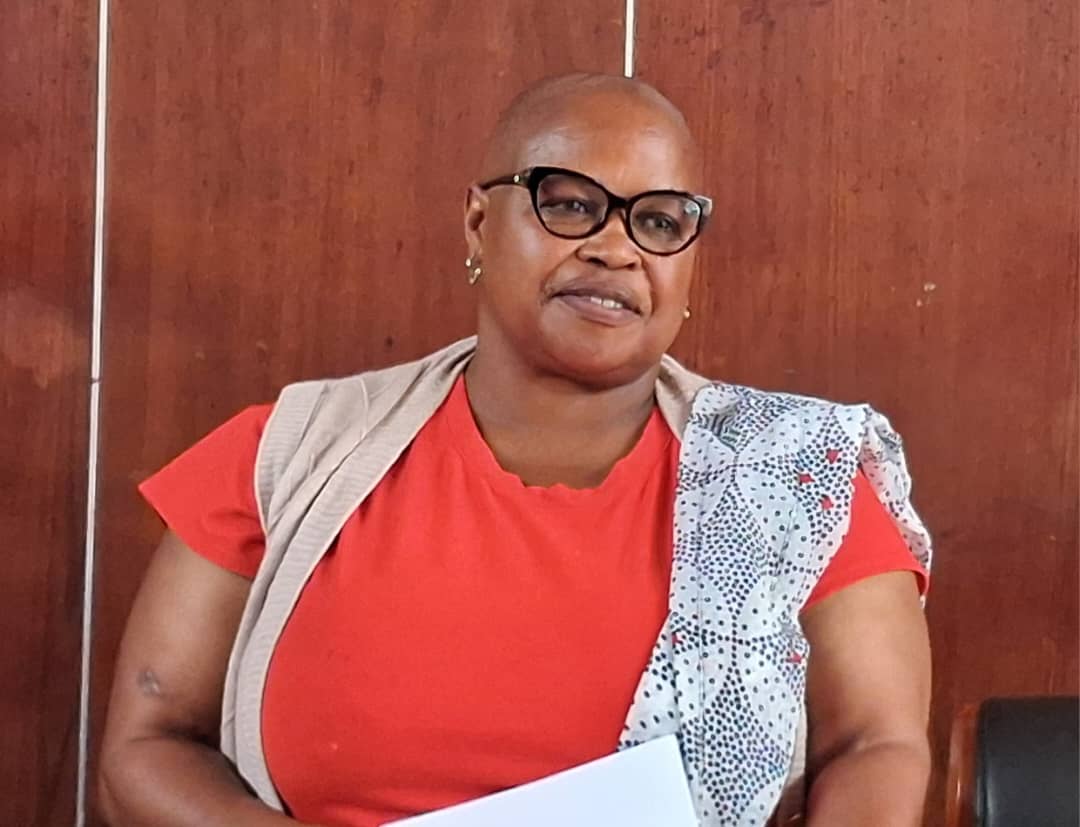
Mashonaland West Provincial Affairs and Devolution Minister Marian Chombo announced the project during a recent visit to Chief Mola to console families affected by the August 11 Lake Kariba ferry disaster, which killed 97 people.
Chombo said the government is working on plans to develop an irrigation scheme that will enable communities to produce food and generate income despite unreliable rainfall.
“As government, we are stepping up efforts to ensure that the community has access to sustainable projects, including establishing an irrigation scheme that draws water from Lake Kariba,” she said.
The proposed scheme could mark a significant shift for Mola, where agriculture remains largely dependent on erratic rainfall and where elephants and other wildlife regularly damage crops and threaten livestock.
The irrigation project comes as communities in Nyaminyami continue to grapple with harsh climatic conditions and limited agricultural opportunities. Much of the district lies in Natural Regions IV and V, characterised by low and erratic rainfall, making rain-fed farming particularly vulnerable to drought and dry spells.
The project is significant beyond agriculture. Mola and surrounding communities have long faced limited economic opportunities despite living beside one of Africa’s largest reservoirs. Residents rely on subsistence farming, fishing, livestock production, casual labour, and other livelihood activities.
The Kariba Dam also has a complicated history for communities in the Zambezi Valley. Construction of the dam in the late 1950s displaced thousands of Tonga and Gova people from the Zambezi River valley, disrupting established livelihoods and forcing many families into drier areas with less agricultural potential. Research on Mola documents the community’s subsequent marginalisation and inadequate access to infrastructure and economic opportunities.
Chief Mola welcomed the announcement, saying the project would allow residents to improve their livelihoods.
The irrigation proposal follows the ferry disaster, which exposed the dependence of Mola and other rural Nyaminyami communities on Lake Kariba for transport to markets and essential services. The government has since pledged additional boats and road improvements to enhance connectivity in the area.
The government has not yet announced the proposed scheme’s size, construction cost, implementation timetable, or expected number of beneficiaries.