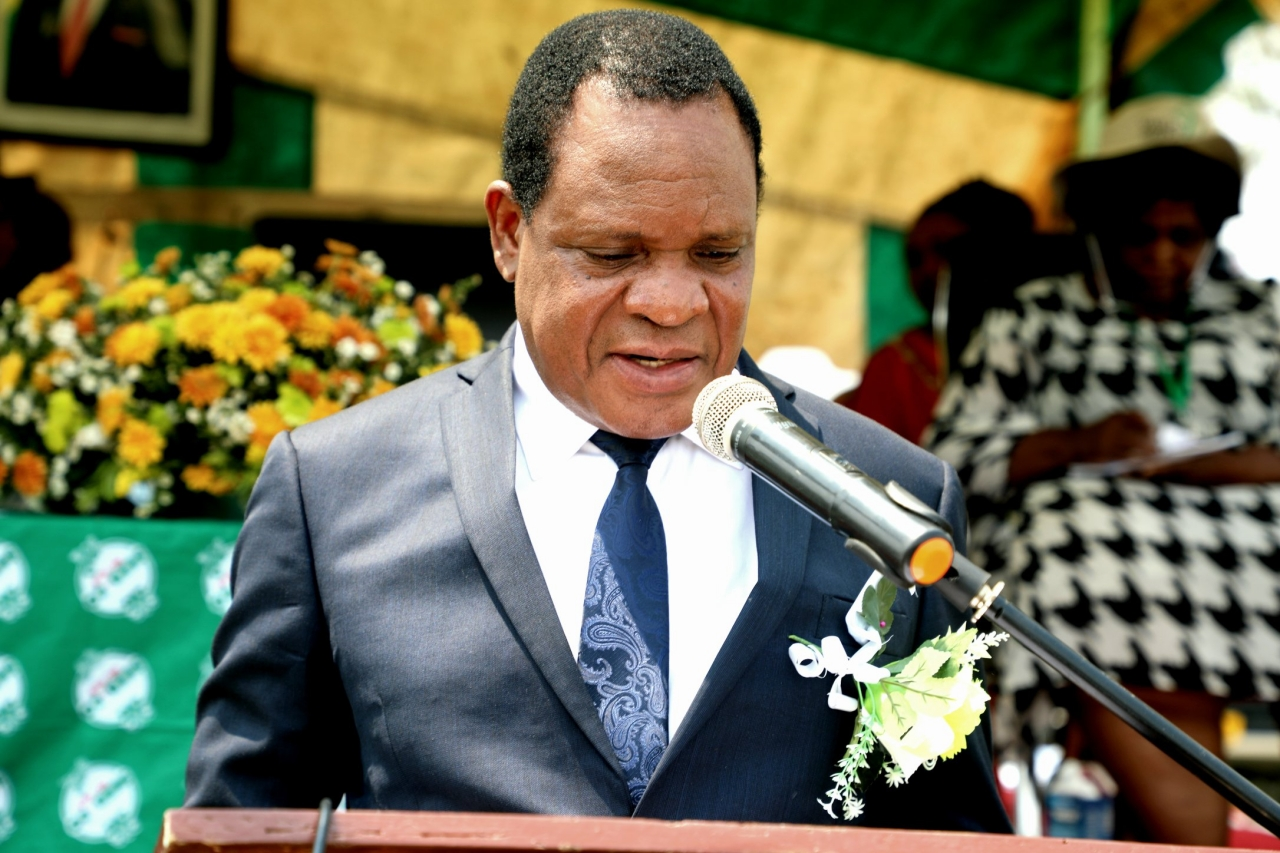
Harare, (New Ziana) – The Minister of Agriculture, Mechanisation and Water Resources Development, Dr Anxious Masuka, has emphasised the importance of quality seed in boosting agricultural production and securing food supplies, calling for increased investment and stronger seed systems across Africa.
In a statement posted on its social media platforms, the Ministry said Dr Masuka made the remarks at the inaugural African Union Ministerial Seed Summit, held from October 5 to 7 in Ezulwini, Kingdom of Eswatini.
Held under the theme “Resilient Seed Systems for a Food-Secure Africa,” the summit sought to establish continental commitments on seed research, farmer-managed seed systems, regulation, trade and accountability.
Dr Masuka attended the summit with a delegation from the Directorate of Research, Education and Specialist Services (DRESS), joining African ministers, senior government officials and experts to deliberate on ways of strengthening the continent’s seed systems.
The discussions focused on the performance of the seed sector, investment, farmer-managed seed systems and the implementation of the Africa Seed and Biotechnology Programme (ASBP).
The summit sought to advance the Kampala CAADP Declaration and the ASBP, which was first endorsed by African Union Heads of State and Government in 2007. It also considered the Ezulwini Declaration, ways of mobilising public and private investment, improvements to seed policies and regulatory frameworks, and the launch of the SSPI 2025 Status Report for Africa.
“In his remarks, Minister Masuka emphasised the strategic link between seed sovereignty and food sovereignty, stating that food sovereignty must first establish seed sovereignty. He highlighted the importance of recognising and supporting farmer-managed seed systems and their contribution to sustainable agricultural production, particularly within communal farming sectors. A nation that cannot produce, keep and control its own seed cannot fully control its food supply,” the Ministry said.
Dr Masuka also underscored the contribution of farmer-managed seed systems to sustainable agricultural production, particularly in communal farming areas where the majority of Zimbabwe’s smallholder farmers live and work.
According to the summit’s main outcome document, the commitments fall under five key areas: increased investment in seed research and breeding; inclusive and farmer-managed seed systems; improved seed policies and regulatory frameworks; stronger regional seed trade; and enhanced monitoring and accountability.
The summit’s resolutions come as farmers across Africa face growing climate-related challenges, including unpredictable weather patterns, prolonged dry spells and drought.
For Zimbabwe, the Ministry said, improving access to quality and climate-resilient seed, while simultaneously supporting farmer-managed seed systems and conserving genetic resources, would be critical to strengthening agricultural resilience, sustaining production and safeguarding national food security.
One of the key commitments was the endorsement of the AU Farmer Managed Seed System Policy Framework, Strategy and Action Plan, which provides greater legal recognition for farmers’ varieties, promotes community seed banks and participatory breeding, and recognises farmers’ rights to save, use and exchange seed.
New Ziana