Communities in our country need to be empowered so that people can have better
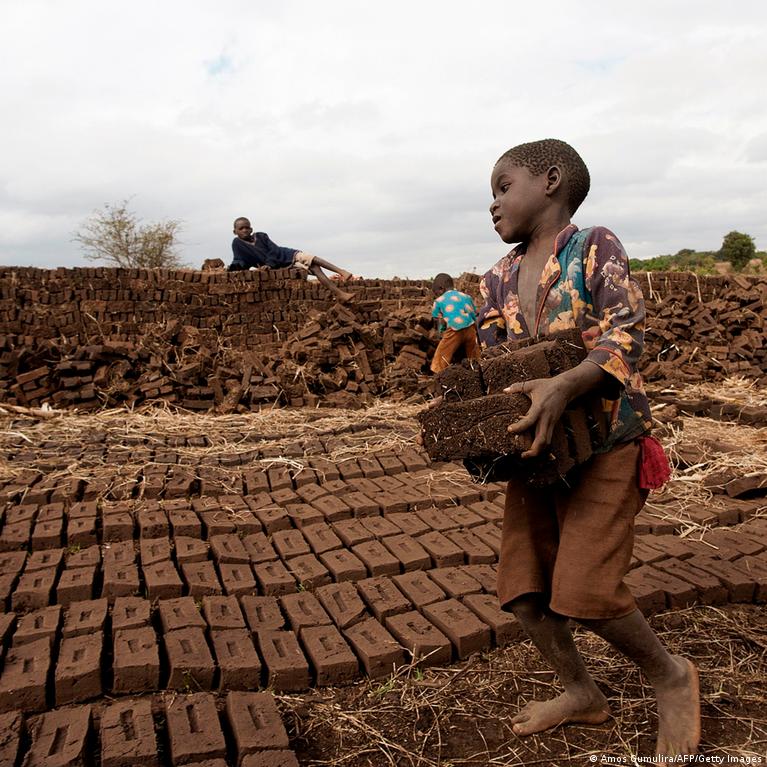
lives. Child labour remains a pressing issue in Zimbabwe, particularly in the tobacco
and mining sectors, where poverty often compels children to work instead of
attending school.
To address this challenge, a comprehensive and collaborative approach is essential.
This article explores key strategies that can empower the government of Zimbabwe
to combat child labour, prioritise education, alleviate poverty, promote responsible
business practices, and seek international cooperation and support.
Strengthening Legislation and Law Enforcement: Upholding Justice and
Accountability
To eliminate child labour, Zimbabwe needs reinforce its legal framework by strictly
enforcing existing laws that prohibit child labour.
The government should emphasise the importance of holding violators accountable.
Additionally, increasing the number of labour inspectors and providing them with
adequate resources will enable regular inspections in the tobacco and mining
sectors, effectively identifying and addressing such violations.
Education and Awareness: Unlocking the Power of EducationAccess to quality
education is fundamental in breaking the cycle of child labour. The government
should prioritise improving access by addressing barriers like school fees and
incentivising children to attend school.
Furthermore, conducting targeted awareness campaigns within communities,
parents, employers, and workers will educate them about the detrimental effects of
child labour and emphasise the significance of education.
Social Protection and Poverty Alleviation: Empowering Communities for Sustainable
Progress
To combat child labour, it is crucial to address the underlying issue of poverty.
Implementing comprehensive poverty alleviation programmes that target vulnerable
families and communities will provide alternative income-generating opportunities,
reducing their reliance on child labour.
Additionally, establishing social protection programmes that offer financial support to
families in need ensures that children are not forced into work to support their
households.
Responsible Business Practices: Ethical Economies for a Just FutureEnforcing
responsible business practices is vital in eradicating child labour. Implementing
robust monitoring systems within the tobacco and mining sectors will ensure
compliance with ethical standards, preventing companies from engaging in or
benefiting from child labour.
Encouraging companies to adopt corporate social responsibility policies that prohibit
child labour and prioritise the well-being of workers and their families will foster
sustainable and ethical business practices.International Cooperation and Support:
Forging Global PartnershipsCollaboration with international organisations such as
the International Labour Organisation (ILO) and UNICEF is essential.
Zimbabwe should actively seek technical expertise, resources, and funding to
effectively address child labour. Engaging with international buyers will also be
beneficial, ensuring they only source products from companies that strictly adhere to
anti-child labour policies.Conclusion
Eradicating child labour requires a comprehensive and long-term effort from all
stakeholders involved. By implementing the strategies outlined above, the
government of Zimbabwe can empower communities, prioritise education, alleviate
poverty, promote responsible business practices, and seek international cooperation
and support. Together, we can create a brighter future where every child in
Zimbabwe has the opportunity to learn, grow, and thrive.