
By Simbarashe Muparaganda
Bulawayo-The African Union(AU) has largely fulfilled one of its historic mandates of liberating the continent from colonial rule, but Africans must now guard against divisions such as Afrophobia that threaten the spirit of continental unity, past president of Institute of Management said.
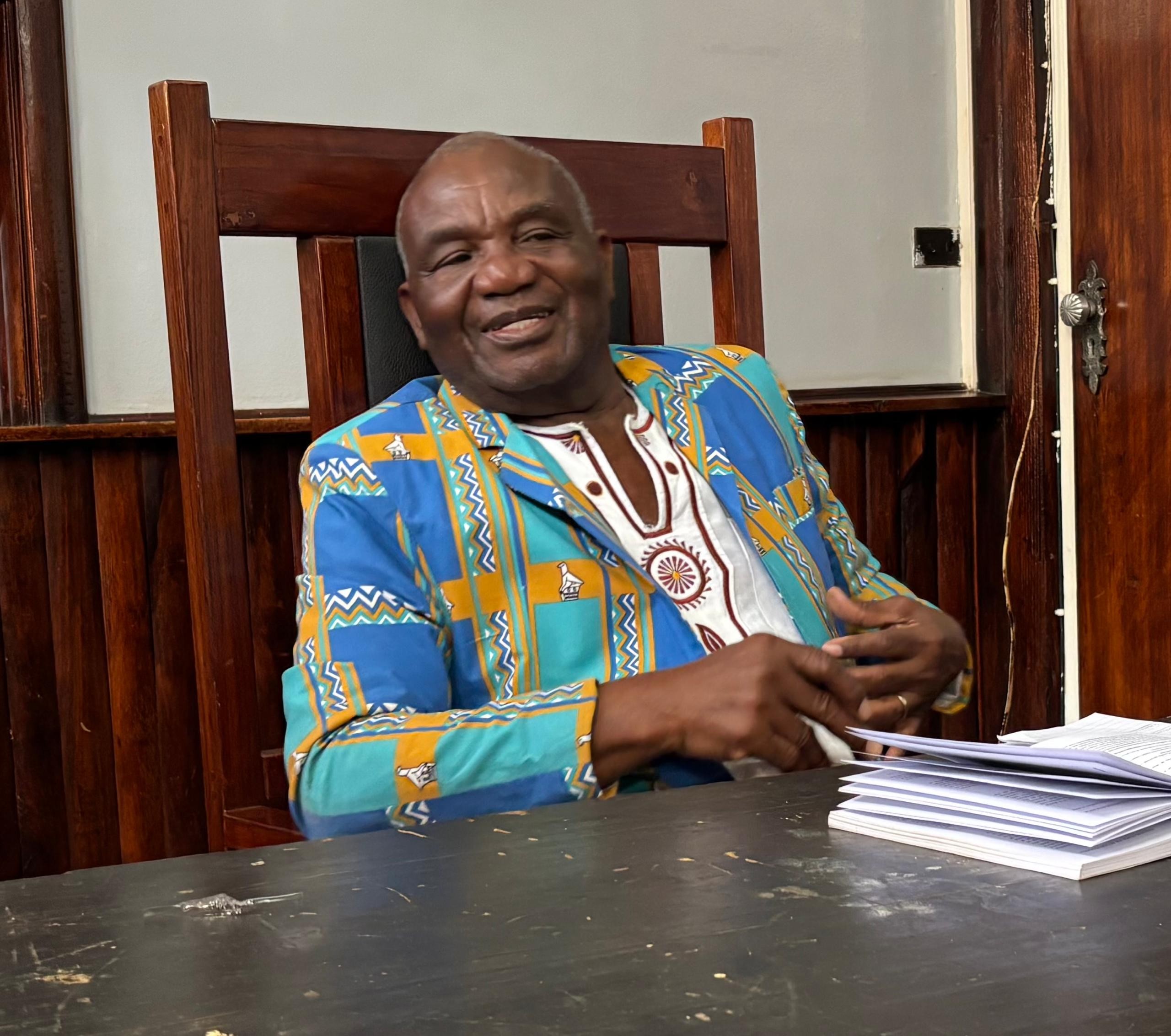
Speaking during reflections on Africa Day commemorations at Bulawayo Media Centre on Monday, Charles Chiponda said the ideals upon which the former Organisation of African Unity (OAU) was founded in 1963 remain relevant today, particularly the need for African solidarity, unity and collective progress.
He noted that the liberation struggles in countries such as Zimbabwe, Mozambique, Angola and South Africa were made possible through the support and cooperation of African states under the OAU framework.
“The organisation mobilised resources and support for freedom fighters across the continent. That was one of its greatest achievements,” he said.
Chiponda, however, said the continent now faces new challenges that threaten the vision of a united Africa, singling out ongoing Afrophobic attacks by vigilante groups in South Africa as being contrary to the ethos of Africa Day.
In recent weeks, some vigilante-style groups and anti-immigration movements have been targeting foreign nationals, especially from other African countries such as Zimbabwe, Mozambique, Nigeria, Malawi and Ethiopia. The most prominent group being the Operation Dudula.
“One would wonder, looking at the current situation in South Africa and the xenophobia taking place there, whether we are still living according to the ideals of African unity,” he queried.
The past president said Africa Day was founded on the principles of solidarity and cooperation among African nations, adding that discrimination against fellow Africans undermines the sacrifices made during liberation struggles.
“United we conquer, divided we fall. Africa Day is about unity, cultural identity and Africans standing together,” Chiponda stressed.
Reflecting on the origins of the commemorations, Chiponda said Africa Day traces its roots to the formation of the OAU in Addis Ababa, Ethiopia, on May 25, 1963, when African leaders gathered to promote unity and support countries that were still under colonial rule.
He said earlier efforts towards continental unity had begun through Pan-African movements and meetings held in countries such as Ghana in 1958 under the leadership of Ghana’s founding President, Kwame Nkrumah.
“Independent African countries realised they had to unite and help liberate those countries that were still under colonial domination,” he said.
Chiponda said at the time several African countries, including Egypt, Ethiopia, Liberia, Morocco and Sudan, had already attained independence and became part of the push for African unity and liberation.
He explained that there were early divisions among African countries based on who had colonized which region, notably between Anglophone and Francophone states.
“There were differences in thinking between the Casablanca Group and the Monrovia Group on how quickly Africa should unite politically and economically, ”Chiponda said.
He said despite those ideological differences, African leaders eventually agreed on the need to support liberation movements across the continent such as Angola, Mozambique, Zimbabwe then Southern Rhodesia, Namibia and South Africa.
Chiponda said liberation icons including the late Joshua Nkomo and Robert Mugabe benefited from continental solidarity during the struggle against colonialism.
“The next important task is economic independence and improving the lives of African people through education, health, agriculture and development,” he said.
Chiponda also expressed concern over conflicts and instability affecting different parts of Africa and the world, saying wars and global tensions continue to affect African economies and development.
He cited instability in the Democratic Republic of Congo(DRC), Sudan, South Sudan and Ethiopia, as well as conflicts in the Middle East and Eastern Europe, as examples of crises that continue to affect Africa indirectly.
He challenged African journalists and media organisations to play a more active role in promoting African narratives and educating younger generations about the significance of Africa Day.
Chiponda also implored journalists to actively participate in future Africa Day commemorations through cultural, educational and heritage programmes that celebrate African identity saying African stories should be told by Africans themselves.