By Zachary Gava
Harare, (New Ziana) – Zimbabwe recorded a sharp increase in foreign currency inflows during the first half of 2026, driven largely by strong export earnings and increased diaspora remittances, a development that Treasury says is strengthening the country’s economic stability.
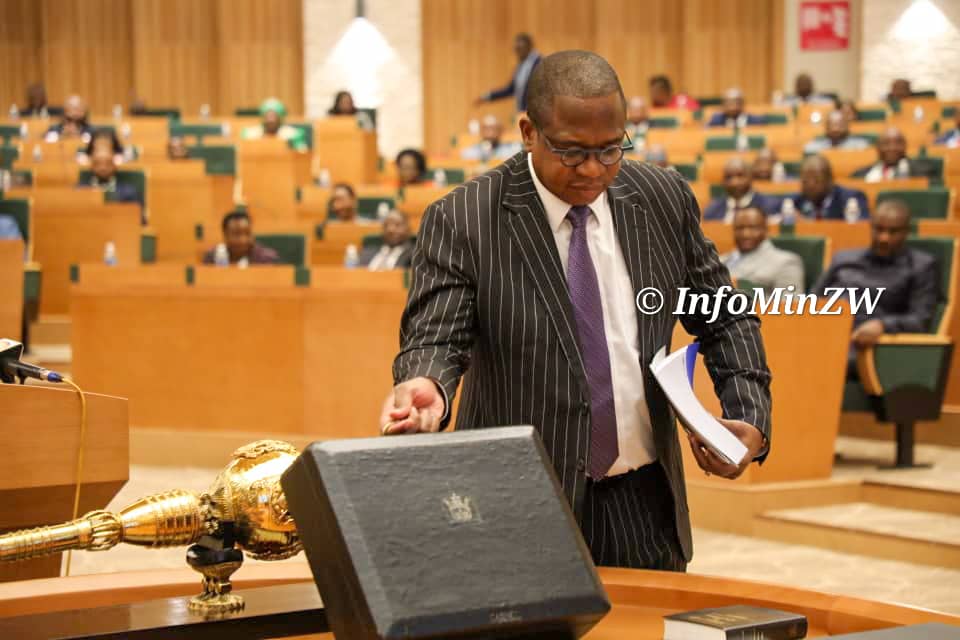
Presenting the 2026 Mid-Term Budget and Economic Review in Parliament on Thursday, Minister of Finance, Economic Development and Investment Promotion Professor Mthuli Ncube said total foreign currency receipts reached US$10.72 billion between January and June, representing a 47.8 percent increase from US$7.25 billion recorded during the same period last year.
“Export proceeds amounted to US$7.53 billion, accounting for 70.3 percent of total foreign currency receipts,” the Minister said, adding that diaspora remittances also remained a major source of foreign exchange after rising 41.4 percent to US$1.55 billion.
The review also shows growing investor confidence, with Foreign Direct Investment (FDI) more than doubling to US$269.9 million, an increase of 126.8 percent over the same period in 2025. Income from foreign investments also rose by 35.9 percent.
The improved foreign currency performance comes as Zimbabwe’s merchandise exports climbed 41.6 percent to US$4.45 billion during the first five months of the year, underpinned by higher exports of gold, platinum group metals and tobacco.
Zimbabwe has in recent years prioritized export-led growth as part of broader economic reforms aimed at improving foreign exchange availability, strengthening the local currency and reducing external vulnerabilities.
Mining, agriculture and diaspora remittances have consistently remained the country’s largest sources of foreign currency.
The strong inflows are expected to bolster the country’s balance of payments, support strategic imports and provide greater liquidity for productive sectors, reinforcing Government’s efforts to maintain macroeconomic stability while advancing the country’s Vision 2030 development agenda.
New Ziana