
Princess Sibanda
BEITBRIDGE — Nearly 2,000 learners from all 10 provinces of the country have converged in Beitbridge for the 6th edition of the National Secondary Schools Arts Festival (NASSAF) competitions, in a showcase that organisers say is redefining education for the next generation.
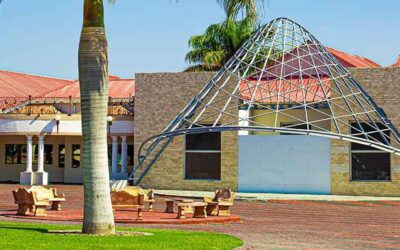
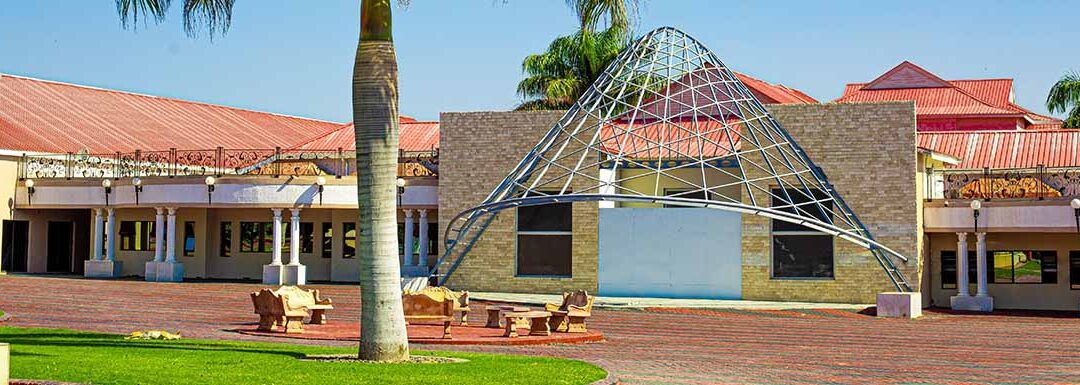
The competitions, held at Oakleigh House Trust in Beitbridge from 21 to 25 September, were organised under the theme: “Driving the Economy Through Skills Development and Cultural Diversity.”
The festival, which has grown from cluster to district, provincial, and now national levels—from SASAF, CASAF, DASAF, PASAF to NASSAF—brought together learners exhibiting talents and practical skills in crafts, baking, cooking, traditional cuisine, technology applications, and other heritage-based innovations.
Officiating at the opening, the Secretary for Devolution, Ndlamini Maseko, said hosting the national event in Beitbridge is of great significance.
“Hosting this event in Beitbridge is significant. This town is a gateway for talent and for sharing abilities that will transform education,” Maseko said.
“This goes beyond competition. This is the kind of education we want for the next generation. As we commemorate NASSAF and World Literacy Day today, we remain committed to ensuring that no learner and no community is left behind,” she said in remarks read on her behalf by Edward Mandeya, Director of Human Resources in the Minister of State’s office.
The Ministry of Primary and Secondary Education Permanent Secretary, Mr. Moses Mhike, who toured exhibition stands, applauded learners for their creativity and said the projects should transcend competition.
“These should be more than just projects. These must be innovative ideas that are adopted and used to improve our systems. These projects should take us far,” Mhike said.
He said the exhibitions were a clear demonstration of the value of the Heritage-Based Curriculum (HBC) in equipping learners with lifelong, economy-driving skills.
“This is practical evidence that HBC is working. Learners are no longer just learning theory; they are creating, innovating, and preserving our culture,” he added.
Officials said NASSAF continues to be a critical platform for identifying talent, promoting cultural identity, and advancing the government’s focus on skills-based education as an economic driver.