Bulawayo, (New Ziana)– The public and businesses in Bulawayo on Friday ignored calls by opposition groups for a strike, ostensibly in protest against recent constitutional amendments that, among other things, changed the country’s presidential election system.
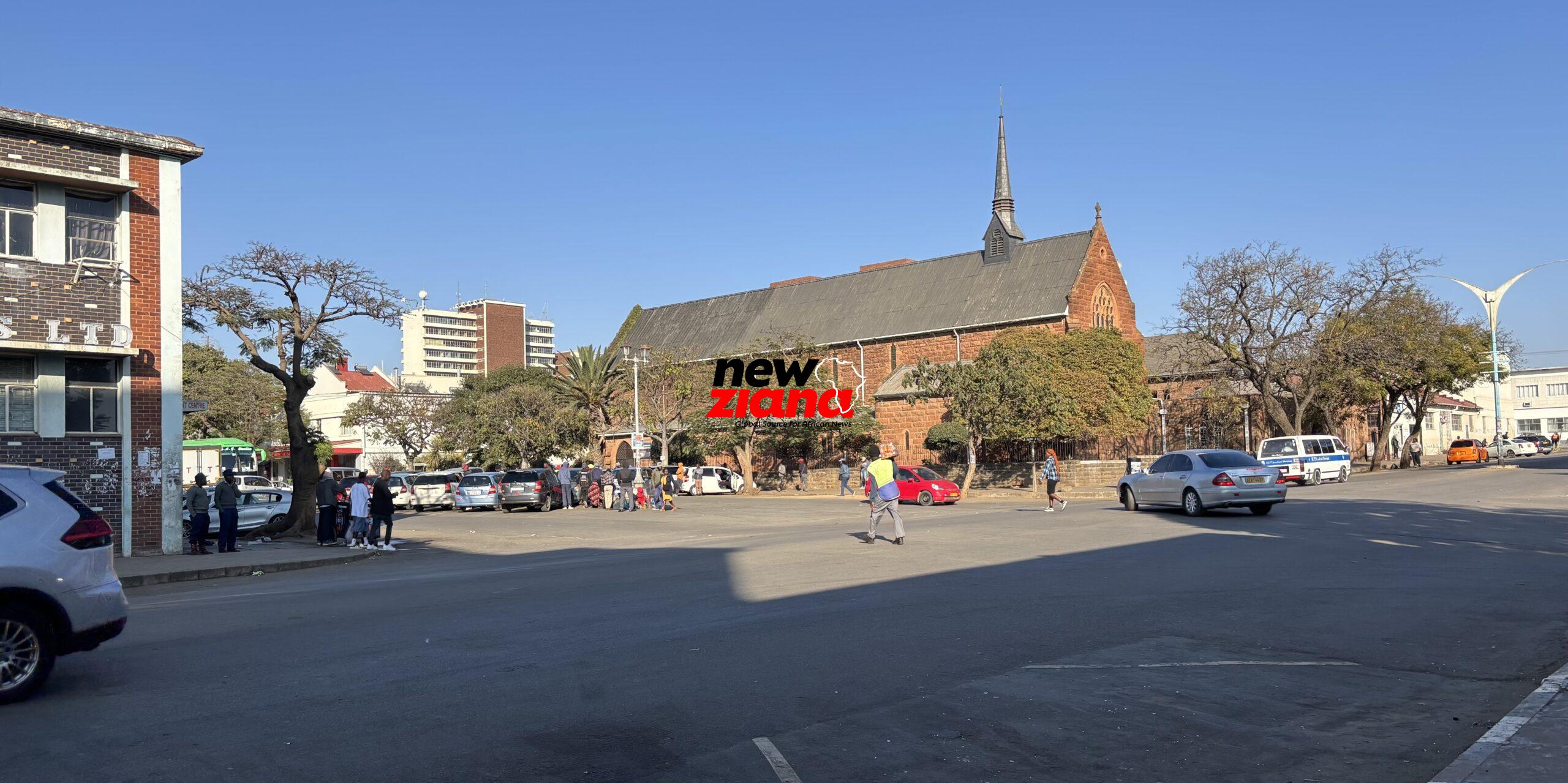
A survey indicated that shops opened on time, commuter omnibuses ferried passengers, informal traders were trading, while banks, government offices and major retail outlets also opened their doors to the public as usual in the city on Friday.
Education establishments also opened as usual, with learners seen walking to school in different parts of the city, an indication that teaching and learning proceeded uninterrupted despite the shutdown call.
The Central Business District (CBD) was bustling with activity from the early hours, with residents going about their daily routines.
Several business operators who spoke to New Ziana said closing businesses would only negatively impact the country’s economy, arguing that every trading day was critical for sustaining livelihoods.
A clothing retailer in the CBD, Thamsanga Ncube, said small businesses could not afford to lose a day’s income.
“Business has been difficult for some time and every day counts. Closing our shops means losing sales that we may never recover. We would rather continue working and earn an honest living,” she said.
A commuter omnibus operator, Peter Sithole, echoed similar sentiments, saying transport operators depend on daily takings to meet operational costs.
“Fuel, vehicle maintenance and other expenses do not stop because there is a shutdown call. If we don’t operate, our families go without income,” he said.
An informal trader, Harris Khumalo, said ordinary Zimbabweans would bear the greatest cost of any prolonged business disruption.
“Most of us survive from what we make each day. A shutdown affects vendors, transport operators and suppliers. The economy needs productivity, not inactivity,” she said.
Economists have long argued that business disruptions reduce productivity, affect tax revenues, interrupt supply chains and undermine investor confidence, particularly in economies already facing growth challenges.
Ahead of the planned demonstrations, police assured members of the public that adequate security measures had been put in place to maintain peace and order, urging citizens to continue with their normal activities without fear.
Police also warned against acts of violence, intimidation and destruction of property, saying the security services remained committed to protecting lives and property while ensuring that law and order prevailed.
The constitutional amendments, which were passed by Parliament with overwhelming support last month, brought many changes, including lengthening election cycles from five years to seven, and having the president elected by parliament now instead of the public.
President Emmerson Mnangagwa has since signed the amendments into law.
Some opposition groups are against the amendments, and planned the demonstrations to try and force the government to reverse the changes.
New Ziana