Harare (New Ziana) – Media professionals and development partners should intensify efforts to combat HIV-related stigma and discrimination, which remain significant barriers to the HIV response in Zimbabwe, a Cabinet Minister has said.
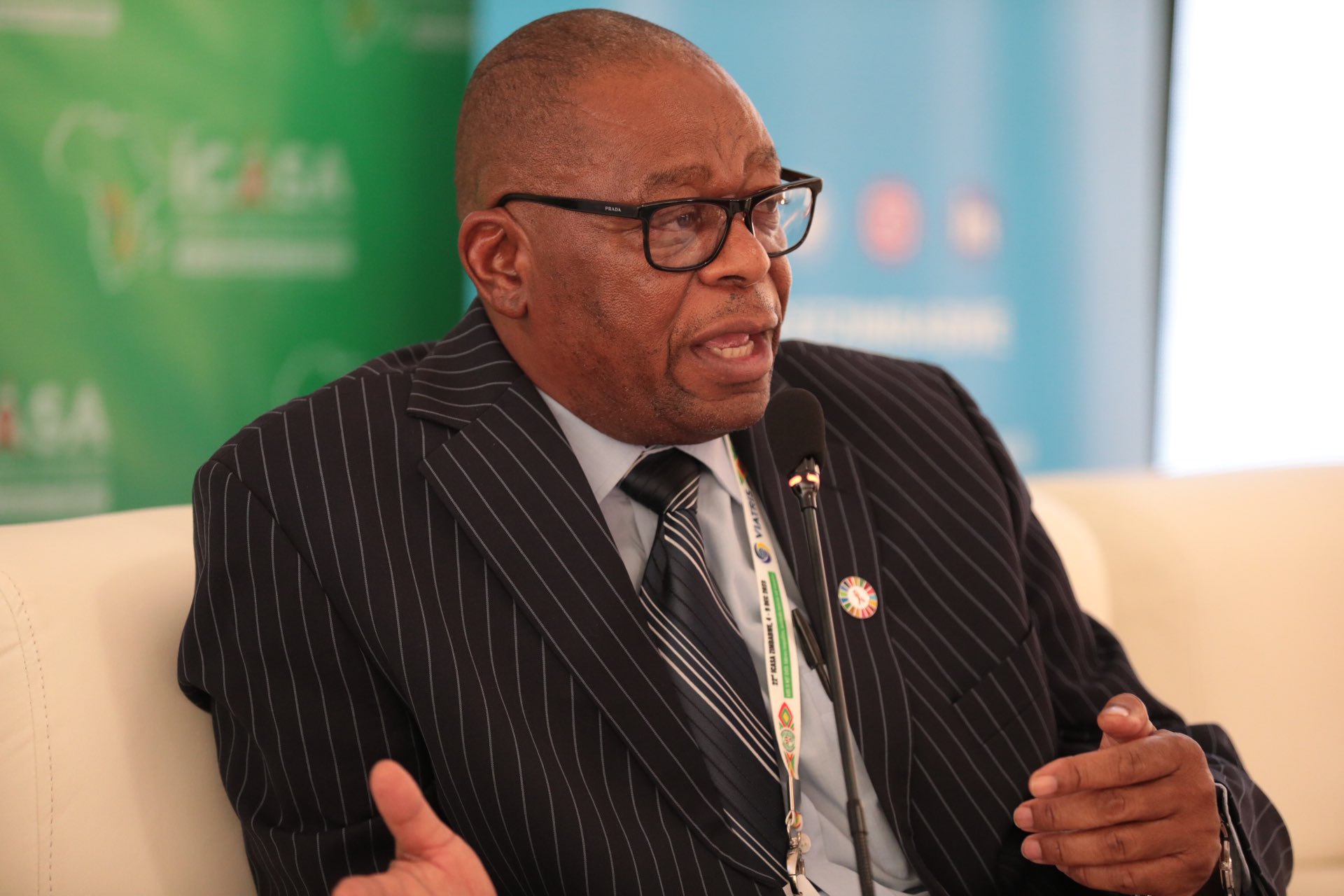
Minister of Health and Child Care Dr Douglas Mombeshora said this while addressing stakeholders in Harare on Thursday.
He underscored the critical role of the media in shaping public discourse and influencing policy, urging accurate, inclusive reporting that humanizes people living with HIV. “Your voices are essential to advancing health equity, dispelling myths, and amplifying the resilience of those affected,” he said.
Despite the strong progress that Zimbabwe has made towards ending HIV, including surpassing the UNAIDS 95-95-95 targets and achieving over 96 percent Anti-retroviral Therapy coverage among the estimated 1.3 million people living with the virus, Mombeshora warned that the gains remain fragile.
Zimbabwe recorded 5 932 AIDS-related deaths between January and June this year, a slight increase from 5 712 in the same period last year.
“This rise is not linked to the withdrawal of partner support. By the time key partners like the US Government reduced funding, our ARV supply chain was intact. Our systems have shown resilience, and we are monitoring the situation closely,” he said.
Mombeshora acknowledged the growing strain of transitioning to full domestic financing for HIV services, highlighting that the Government has responded by securing resources through taxes on alcohol, tobacco, and sugary beverages, as well as maintaining the AIDS levy.
He however noted that community outreach and staffing remain under pressure, requiring innovation and strategic partnerships to sustain progress.
Mombeshora commended the Zimbabwe National Network of People Living with HIV (ZNNP+) for its “pivotal role” in advocacy, community support, and policy engagement.
“ZNNP+ transforms lives through stigma reduction, treatment literacy, and equitable healthcare access. Its partnership with the Ministry is vital to our shared vision of a stigma-free, health-secure Zimbabwe,” he said.
He reiterated that stigma and discrimination continue to inflict deep harm, not only emotionally, but structurally, leading to delayed care, poor treatment adherence, and increased transmission risks
Discriminatory practices in healthcare settings, such as breaches of confidentiality and segregated queues, erode public trust and hinder service use,” he said.
Describing HIV stigma as a “public health imperative,” Mombeshora urged the media to “tell the stories of ordinary Zimbabweans living with HIV, their hopes, struggles, and triumphs,” and to counter misinformation with scientific facts, including the effectiveness of ART and the role of pre-exposure prophylaxis in prevention. “In the face of funding pressures and persistent stigma, we must not allow silence where voices must be raised,” he said.
New Ziana