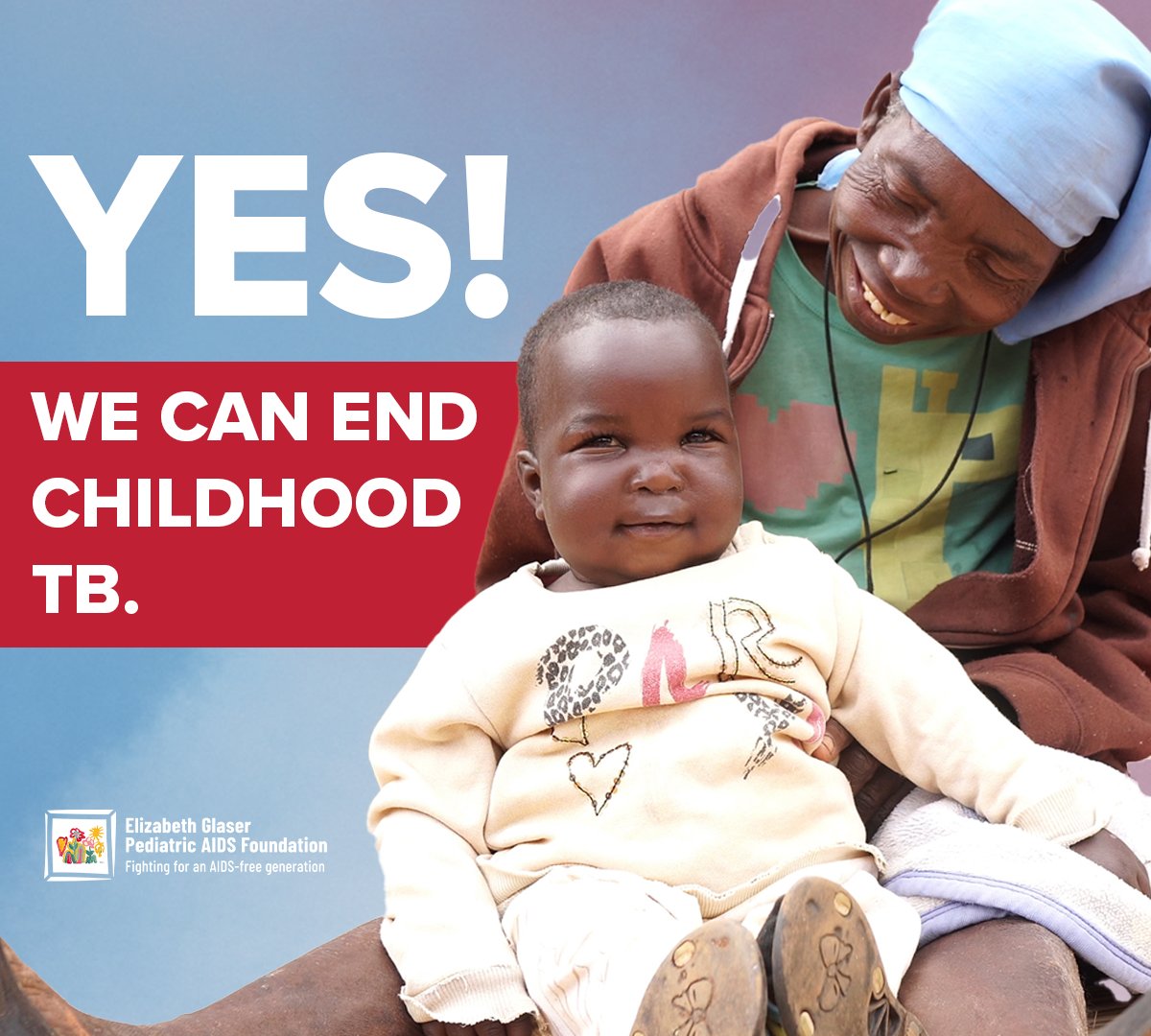
Harare (New Ziana) –Zimbabwe joined the rest of the world on Friday to commemorate World TB Day with a call for concerted efforts to ensure the country meets the global target to eradicate the disease by 2035.
Director of the Aids and TB programme in the Ministry of Health and Child Care, Dr Owen Mugurungi made the call in his message to mark the important day, whose theme this year is “Yes! We Can End TB”.
“Zimbabwe is part of the global countries that adopted the End TB strategy, which is a global commitment by world leaders to rid the world of TB by 2035. There is an urgent need to invest resources to ramp up the fight against TB, as this year’s theme suggests,” he said.
“Let us work together. Let us be ambitious. Let us aim to beat TB by 2030 as a country. Yes! We Can End TB.”
Mugurungi said Zimbabwe recently dropped from the world’s top 30 countries with a high burden of TB.
He said the country however remained in the world’s top 30 countries with a high burden of DR-TB (drug resistant) and TB/HIV.
About 13 500 people fell ill with TB in 2022, he said, while an estimated 13 000 cases were missed.
“All this continues to happen yet TB is preventable, diagnosable and curable. In Zimbabwe screening, diagnosis and treatment for TB is provided free of charge at all public health institutions,” Mugurungi said.
Zimbabwe has been hailed for being on track to achieve the targets by 2035. This has come as a result of concerted efforts through strong coalitions with communities as well as support from the government and partners.
Mgurungi said the advent of Covid-19 two years ago, which resulted in control measures, had negatively impacted on TB activities as the ability to passively detect the infection was severely affected due to movement restrictions.
He said furthermore, since COVID 19 could mask the symptoms of TB, there was a tendency to deal with the more rapidly progressing before considering TB in management.
“However proper algorithms and guidelines were swiftly developed and are currently operational through the efforts of the government and partners,” he said.
There was need, Mugurungi said, to protect high risk groups in the population which include people living with HIV, diabetics, miners, healthcare workers, the very young and the very elderly, and give preventive therapy when needed, which was available for free.
“Mechanisms to do so are in place with more convenient regimens now available,” he said.
Mugurungi commended cooperating partners including the Global Fund, the National AIDS Council, the World Health Organisation, Medicins Sans Frontieres, the Elizabeth Glaser Paediatric AIDS Foundation and the Clinton Health Access Initiative for continuing to provide funding, logistical support and technical support in the fight against TB in the country.
He also commended healthcare workers at all levels for continuing to do their best to actively find TB cases.
Tuberculosis is an infectious disease caused by a bacterium (Mycobacterium tuberculosis) that most often affect the lungs although other parts of the body such as the brain, heart and bones can be affected. It is spread from person to person through the air when people with TB cough, sneeze, shout or spit.
New Ziana