Antony Chawagarira
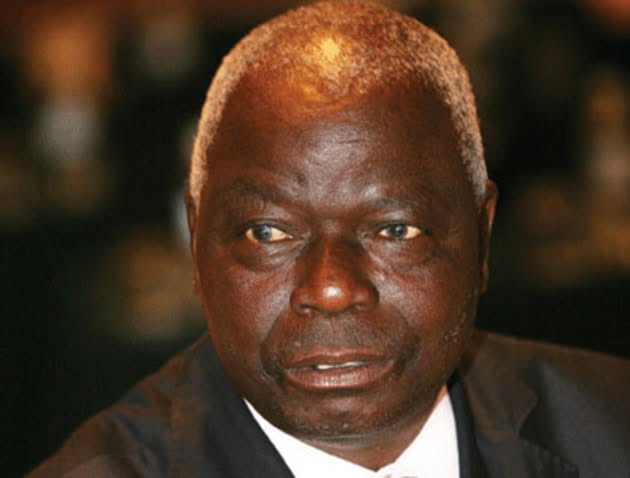
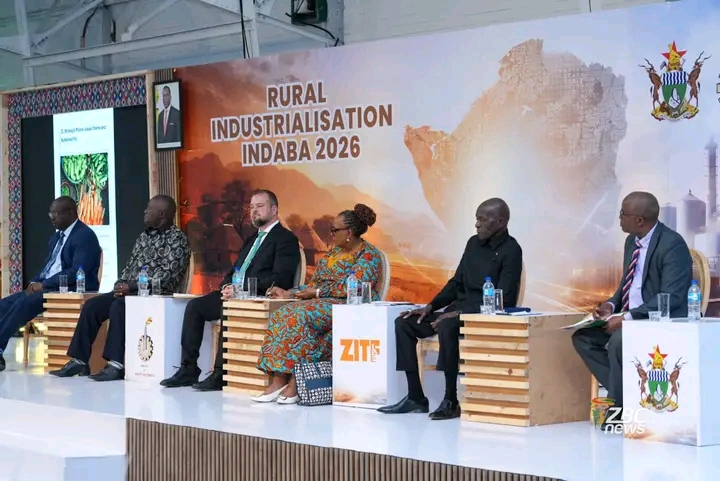
Bulawayo- Minister of State for Masvingo Provincial Affairs and Devolution, Ezra Chadzamira and Secretary for Masvingo Provincial Affairs and Devolution, Dr Addmore Pazvakavambwa, recently attended the Rural Industrialisation and Economic Empowerment Indaba in Bulawayo at the ongoing Zimbabwe International Trade Fair 2026.
The meeting, organised by the Ministry of Industry and Commerce, brought together Government ministers, provincial leaders, captains of industry, development partners, and entrepreneurs from across the country to deliberate on practical ways of transforming rural communities into vibrant industrial and economic hubs.Speaking at the indaba, Minister Chadzamira said the engagement provided an important platform for provinces such as Masvingo to share experiences and learn from national and private sector players on how rural economies can be strengthened through value addition and investment.“This indaba comes at a critical time when Government is intensifying efforts to ensure that development reaches every corner of the country. For Masvingo Province, rural industrialisation presents vast opportunities to add value to our agricultural produce, create jobs and empower communities,” said minister Chadzamira.
He noted that Masvingo Province has significant potential in agriculture, livestock production, mining, and tourism, which can be transformed through industrialisation and improved value chains. He added that the province is keen to tap into knowledge and partnerships emerging from the indaba to promote agro-processing, leather production, and mineral beneficiation initiatives.
Dr Pazvakavambwa also emphasised the importance of coordinated planning and collaboration between Government, the private sector, and communities in driving rural industrialisation.
“Industrialisation of rural areas is key to unlocking economic potential at grassroots level. When we establish industries close to production zones, we reduce losses, increase incomes for farmers, and stimulate local economies. The discussions here are equipping provinces with strategies to turn rural areas into centres of productivity,” he said.
Officials from the Ministry of Industry and Commerce highlighted that the Rural Industrialisation and Economic Empowerment Indaba is anchored on Zimbabwe’s national development agenda, particularly the drive to accelerate value addition and beneficiation in line with the country’s industrialisation goals.
In remarks delivered during the sessions, ministry representatives underscored the need to strengthen small-to-medium enterprises and improve access to financing for rural entrepreneurs.
“Rural industrialisation is not just about factories; it is about empowering communities with skills, technology and access to markets. Through value addition, we are creating new economic opportunities that will transform livelihoods and enhance national productivity,” said one senior official from the ministry.
Delegates at the indaba also discussed the importance of establishing rural industrial parks, modernising infrastructure, and promoting innovation among young entrepreneurs.Stakeholders agreed that strengthening linkages between producers and markets will help boost production and improve the competitiveness of Zimbabwean goods both locally and internationally.
For Masvingo Province, the knowledge gained at the indaba is expected to contribute to the development of agro-processing facilities for products such as sugarcane, citrus fruits, maize, and small grains, as well as expansion of livestock-based industries. Tourism-linked enterprises associated with heritage sites such as Great Zimbabwe National Monument are also expected to benefit from enhanced rural industrialisation initiatives.
The Rural Industrialisation and Economic Empowerment Indaba is widely seen as a strategic platform that supports Government’s vision of inclusive economic growth by ensuring that rural communities actively participate in national development. Through strengthened partnerships, investment mobilisation, and skills development, the outcomes of the indaba are expected to accelerate Zimbabwe’s journey towards sustainable industrial growth and improved livelihoods for citizens across the country.