By Cynthia Guma
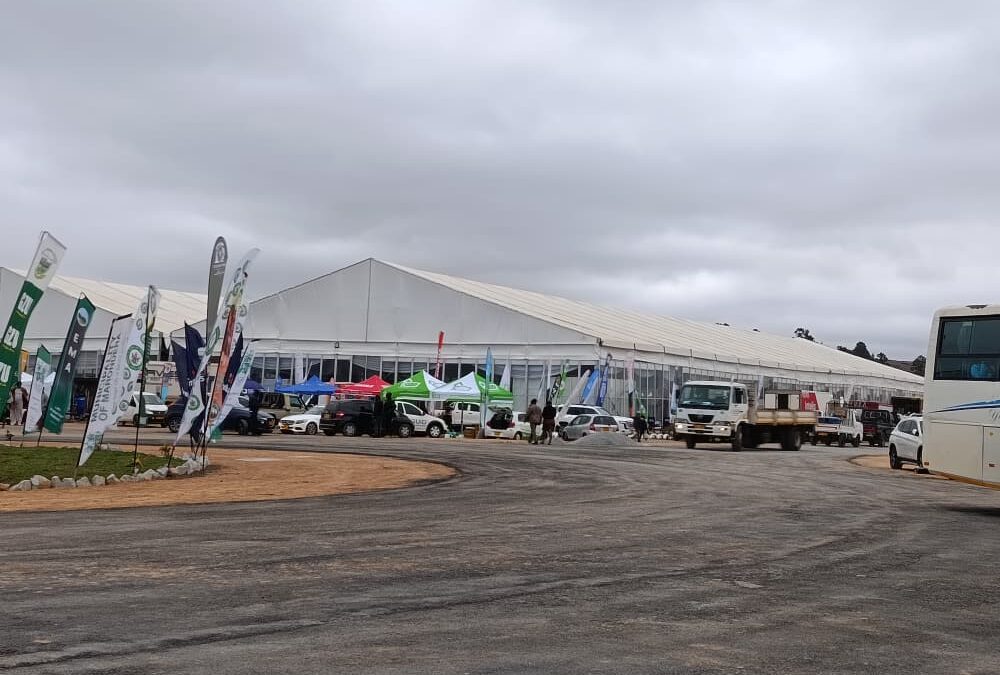
Harare (Newziana) -The new home industry complex being constructed at the Chemhanza ground in Glen View 3 is being developed with fire prevention and emergency preparedness at the centre of its design, a City of Harare official has said.
In an interview with New Ziana at the weekend, projects engineer Tatenda Shanyika said the development comes against the backdrop of years of recurring fires at the Glen View Area 8 complex.
The Glen View Area 8 complex is one of the major informal manufacturing and furniture production centres in the capital, where the latest major fire outbreak occured in May this year, destroying hundreds of stalls and affecting thousands of traders’
Repeated fires at the complex demonstrated the dangers associated with poorly planned industrial and trading spaces, prompting authorities to move to provide a safer and more sustainable home-industry hub for the thousands of traders.
Concerns raised over the years have included overcrowding, inadequate emergency access, unsafe electrical connections, poor fire-fighting infrastructure and the absence or blockage of functional fire hydrants, challenges that have often made it difficult for emergency services to contain fires before they spread across densely packed workshops and stalls.
It is against this background that the Chemhanza project is being developed as a planned and fully serviced industrial complex, with fire safety being incorporated into the project from the planning stage, rather than being treated as an afterthought.
“The new Chemhanza Industrial Park has been deliberately planned around fire prevention and resilience. The layout incorporates wider access roads for unrestricted movement of fire engines, designated firebreaks between workshop clusters, improved electrical infrastructure designed to recognised engineering standards, reliable water reticulation with strategically located fire hydrants, and an organised street layout that eliminates congestion,” said Shanyika.
He said the spacing of workshops had also been carefully considered to reduce the possibility of fire spreading from one structure to another, adding the project was currently focused on establishing the essential infrastructure and services required before construction of the main workshops begins.
“Works presently underway include roads, drainage, water reticulation, sanitation facilities, electrical services and other enabling infrastructure that will support a modern industrial market. This phased approach ensures that traders are relocated onto a fully serviced and safe site rather than repeating the challenges experienced at the existing location,” he explained.
Construction of the workshop structures will commence once the supporting infrastructure reaches an appropriate stage of completion, after which traders will be relocated in phases to minimise disruption to their businesses.
The road network is also designed to provide unrestricted access for fire engines, ambulances and maintenance vehicles, improving emergency response compared with the congested conditions that have characterised the old complex.
“The repeated fires demonstrated that unplanned growth, overcrowding, inadequate road access, overloaded electrical systems and poor emergency access substantially increase fire risk,” Shanyika said.
“The new development therefore prioritises planned infrastructure, regulated workshop layouts, improved service corridors, wider roads, compliant electrical installations and better separation between workspaces. The project reflects a shift from reactive disaster recovery to proactive risk reduction through proper engineering, planning and regulatory compliance,” he explained.
The City of Harare has previously acknowledged the urgency of finding a lasting solution to the recurring Glen View fires. Following the latest disasters, authorities moved to relocate traders to the Chemhanza area as part of efforts to establish a safer and more orderly trading environment.
Shanyika said the phased approach was intended to balance the immediate need to provide traders with working space with the City’s responsibility to ensure that the new facility meets acceptable engineering, safety and regulatory standards.
“The City of Harare appreciates the urgency of relocating traders following repeated fire disasters. However, it is equally important that the new infrastructure is designed and constructed to acceptable engineering standards to ensure safety, durability and long-term sustainability,” he said.
Beyond construction, the completed market will operate under a comprehensive maintenance and fire-safety management framework, with the City of Harare responsible for maintaining public infrastructure, while traders would also have specific responsibilities.
“The City of Harare, through its relevant departments, will be responsible for maintaining public infrastructure, while traders will be required to comply with market regulations governing electrical installations, waste management, housekeeping and fire safety,” he said.
He added that regular inspections by the Building Inspectorate, Fire Brigade and other regulatory authorities would be conducted to ensure continued compliance with the Model Building By-Laws and other applicable safety standards.
“Continuous fire-safety education, regular maintenance of fire hydrants and emergency access routes, and strict enforcement of operational regulations will form part of the long-term strategy to prevent future fire disasters,” said Shanyika.
The Chemhanza project therefore represents more than a relocation exercise. It is intended to transform the home-industry sector from an overcrowded and vulnerable trading environment into a properly planned industrial hub where businesses can operate in safer conditions while remaining accessible to emergency services.
With thousands of livelihoods tied to the informal manufacturing sector, the success of the project will ultimately depend not only on the completion of the physical infrastructure, but also on sustained maintenance, regulatory enforcement and cooperation between the city, Government and traders.
New Ziana