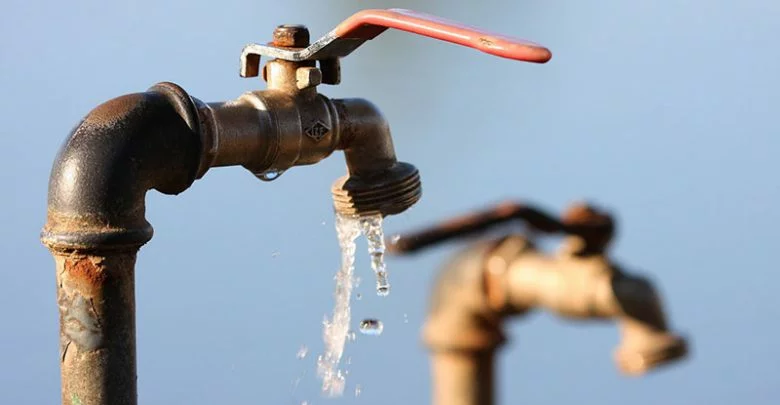
Harare, (New Ziana) – The Chitungwiza Municipality requires at least US$426 million to fully address its worsening water and sewer infrastructure challenges, an official has said.
Chitungwiza Town Council director of works David Duma said this at the weekend during an engagement meeting with the Zimbabwe National Organisation of Associations and Residents Trust (ZNOART).
He said the local authority remains committed to improving service delivery despite facing severe resource constraints.
“We have ongoing and completed sewer and water projects, and for these projects to be completed, the municipality needs an injection of US$426 million.
“As a local authority, we require 112 megalitres of water per day, but we are only receiving 12 megalitres from Harare. At the same time, we need more than 50 megalitres daily for the sewer system to function effectively,” he said.
Duma said the persistent water shortages continue to undermine efforts to resolve the sewer problems.
“Our situation can only improve once we have our own source of water, which is central to improved sewer management,” he said.
Meanwhile, several rehabilitation projects have been completed or are currently underway across Chitungwiza as the municipality works to restore damaged sewer infrastructure.
In Rufaro, council is laying 3.5 kilometres of new sewer pipes ranging between 300mm and 600mm in diameter. A separate project involving the re-routing of 340 metres of sewer line in the same area has already been completed.
Work on the Zengeza Outfall project has reached 68 percent completion, while the Seke Outfall project is now 80 percent complete. In Unit C, the municipality has completed the replacement of 800 metres of collapsed and silted sewer pipes.
Similar rehabilitation works are also being undertaken in Unit F, Unit K, and St Mary’s.
In recent years Zimbabwe has implemented several major sewer rehabilitation programs aimed at reducing sewer bursts and improving wastewater management, particularly in urban centres affected by ageing infrastructure.
Among the major interventions is the African Development Bank Group-supported Urgent Water Supply and Sanitation Rehabilitation Project (UWSSRP I and II).
The program facilitated the rehabilitation of nine wastewater treatment plants, the refurbishment of sewage pumping units, and the installation of new trunk sewer lines and reticulation systems in several towns and cities across the country.
The initiatives were designed to restore wastewater treatment capacity, reduce sewer blockages, and improve sanitation services in communities struggling with deteriorating sewer networks.
New Ziana