
By Thabisani Dube
HARARE — Eight countries sharing the Zambezi River Basin have agreed on priority actions to advance a proposed US$130 million programme aimed at strengthening food security, livelihoods and ecosystem resilience across the region.
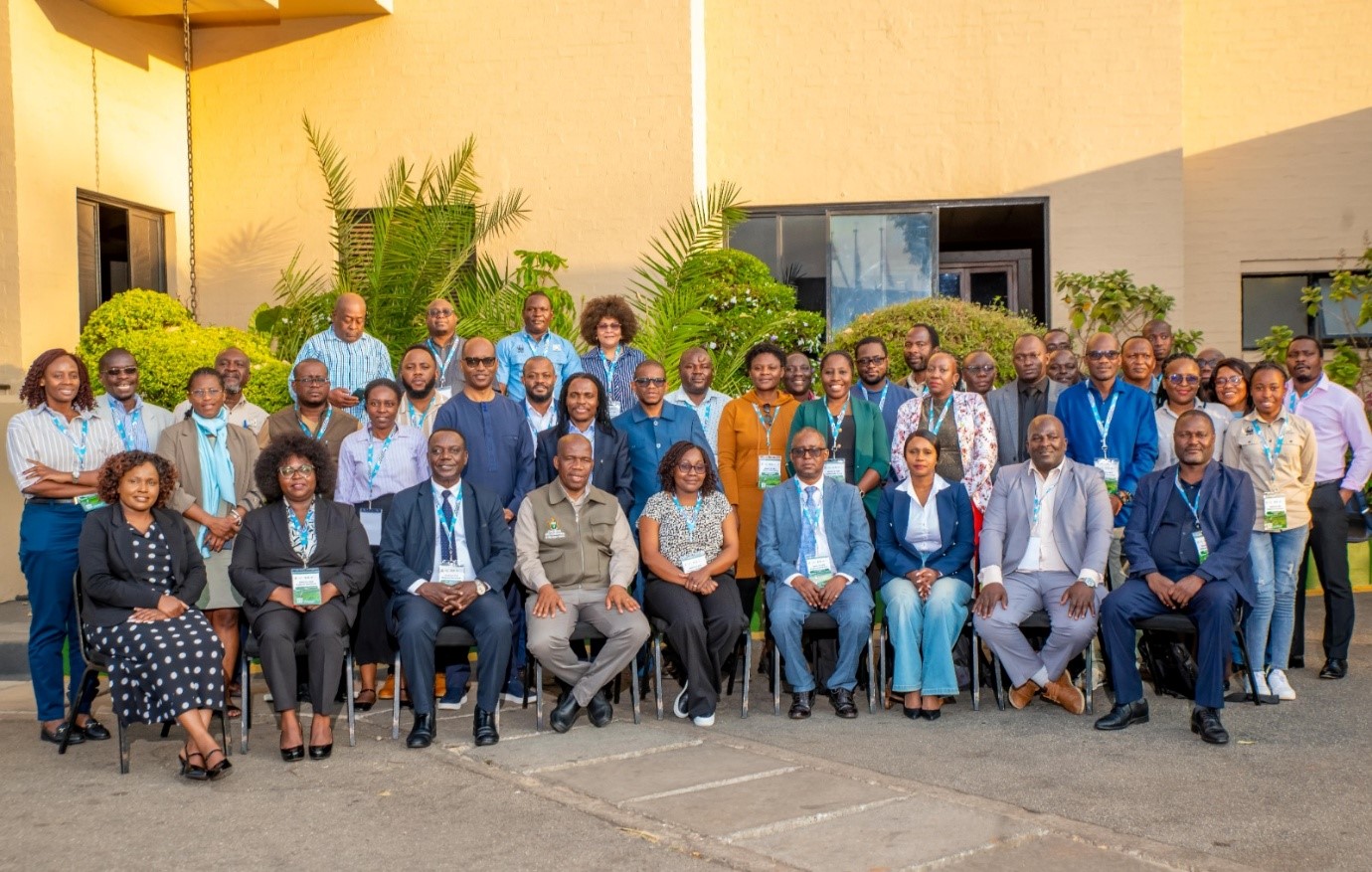
The agreement was reached during a regional workshop held in Harare recently to refine the Programme for Building Resilience of Food, Livelihoods and Ecosystems in the Zambezi River Basin (BREFOLE-ZRB).
Representatives from Angola, Botswana, Malawi, Mozambique, Namibia, Tanzania, Zambia and Zimbabwe, together with regional technical partners, civil society organisations and private-sector representatives, reviewed the programme’s technical design, financing allocations, implementation arrangements, geographic priorities and environmental and social safeguards.
The workshop preceded an appraisal mission for the design of the BREFOLE-ZRB programme, which has a proposed financing package of about US$130 million.
The Zambezi River Basin is a major source of water, food, energy and livelihoods across southern Africa, supporting agriculture, fisheries and tourism, as well as hydropower generation at major installations including Kariba and Cahora Bassa dams.
However, increasing climate pressures, including droughts and floods, are threatening food production, livelihoods, water resources and energy generation across the basin.
Zambezi Watercourse Commission (ZAMCOM) Executive Secretary Felix Ngamlagosi said national investments under the programme should contribute to shared regional outcomes.
“While the individual investments must respond to the priorities of each participating country, they must all contribute to common basin-wide results,” he said.
The programme will focus on four areas: natural resources management, community climate resilience, institutional capacity and knowledge, and regional coordination.
Activities are expected to include landscape restoration, improved water management, climate-smart agriculture, stronger value chains and economic opportunities for women and young people.
African Development Bank Division Manager for Agricultural Research, Production and Sustainability Laouali Garba said the programme should translate mobilised resources into tangible benefits for vulnerable communities.
“We planted together, and we need to harvest together for the benefit of the most vulnerable communities of the Zambezi basin,” he said.
Speaking on behalf of the Southern African Development Community Secretariat, Acting Senior Programme Manager for the Water Division Dumsani Mndzebele said the programme could strengthen resilience through sustainable agriculture, nature-based solutions and improved land and water management.
The workshop also considered gender inclusion and alignment with national priorities, the Strategic Plan for the Zambezi Watercourse 2018–2040 and the Southern Africa Great Green Wall Initiative.
Among the recommendations, participating countries were urged to allocate at least 10 percent of their national budgets towards investments benefiting the basin programme and priority areas.
They were also urged to strengthen community-level capacity, track gender outcomes, improve land governance and harmonise systems for measuring results.
Zimbabwe’s Chief Director for Water Resources, Irrigation Development and National WASH Coordination, Tinayeshe Mutazu, speaking on behalf of Permanent Secretary Professor Obert Jiri, called for national ownership, clear implementation plans and effective safeguards to ensure the programme delivers tangible benefits.
African Development Bank Country Manager for Zimbabwe Eyerusalem Fasika said the next stage required countries to provide timely inputs and complete the requirements needed to advance financing.
“We have a shared responsibility to prepare a high-quality, bankable investment programme,” she said in remarks delivered on her behalf by Garba.
The BREFOLE-ZRB programme is expected to support coordinated responses to climate shocks, land degradation and declining ecosystem services across the Zambezi River Basin.
The Zambezi River flows through Angola, Botswana, Malawi, Mozambique, Namibia, Tanzania, Zambia and Zimbabwe and is a critical regional resource for communities and economies across southern Africa.