
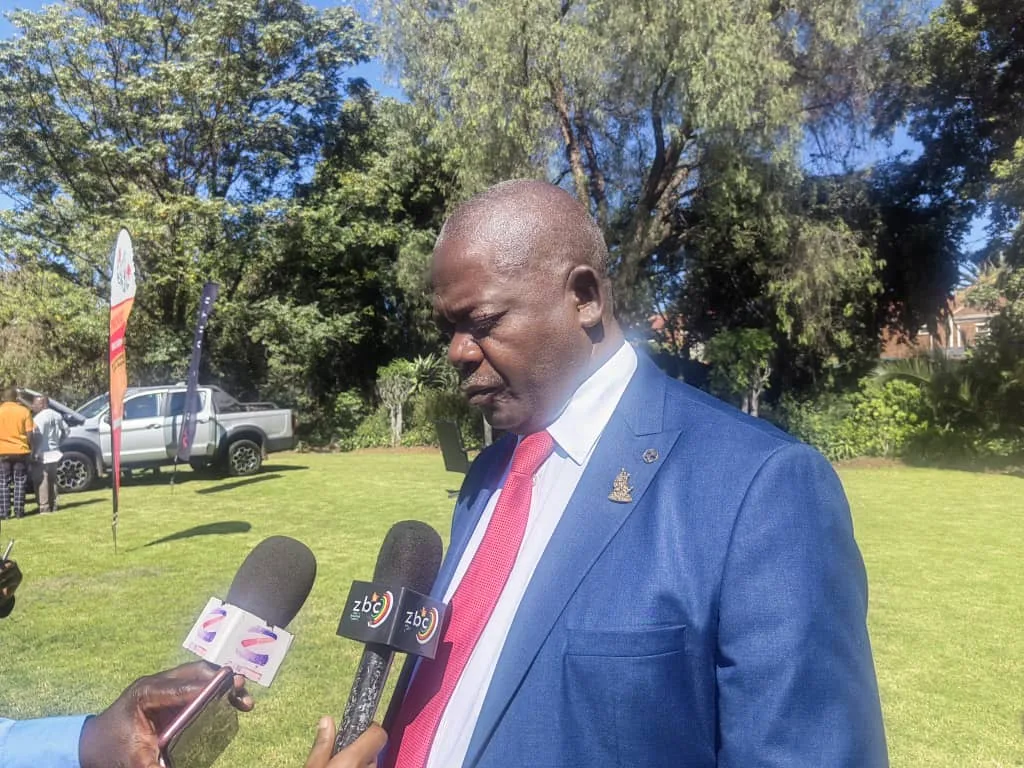
Bulawayo, (New Ziana)—As Zimbabwe accelerates towards achieving its vision of becoming an upper middle income society by 2030, digital transformation has become a critical necessity and no longer optional, a Cabinet Minister said.
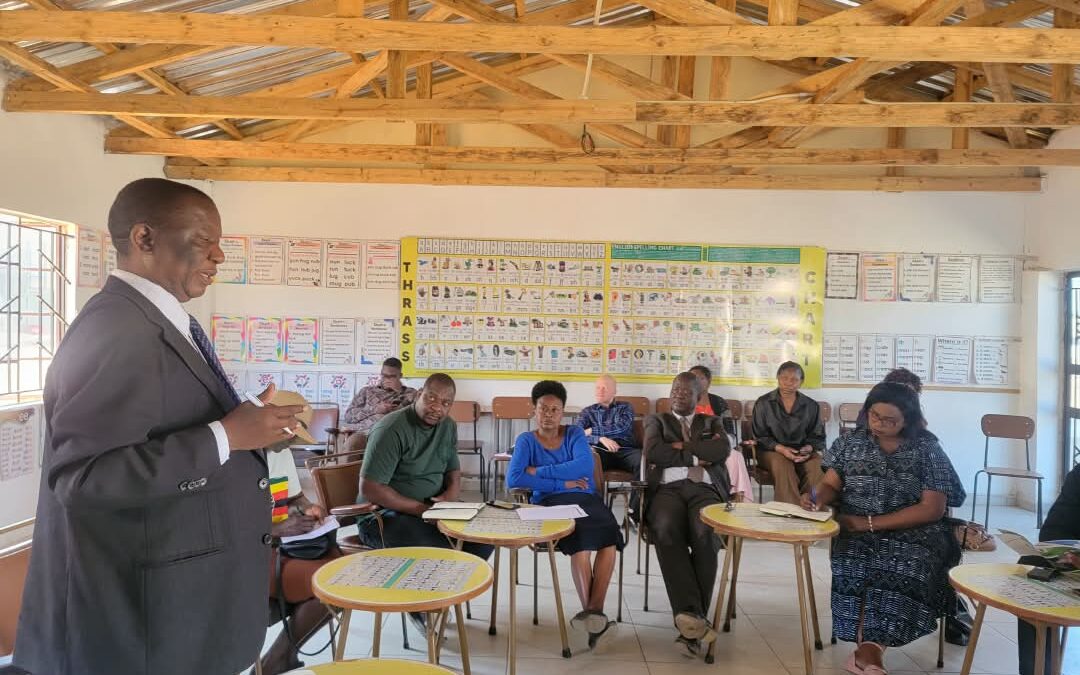
Primary and Secondary Education Minister Edgar Moyo said this on Wednesday while officiating at the ongoing three-day Zimbabwe Teachers Association (ZIMTA) annual conference being held in the country’s second largest city.
This year the conference is running under the theme- “Strengthening Efficiency and Effectiveness in Teaching Organisations, The Role of Constitutionalism”.
The conference brought together members of the local teaching fraternity, representatives of teacher trade unions from regional countries such as Namibia and Botswana, as well as government officials.
Moyo highlighted that technology integration is pivotal in modernizing the Zimbabwean education system.
“The Ministry is actively collaborating with ICT (Ministry of Information Communication Technology, Postal and Courier Services), POTRAZ (the Postal and Telecommunications Regulatory Authority), and other partners to enhance digital learning in schools. A digitally empowered teacher cultivates a digitally prepared learner, which is vital in today’s educational landscape,” he said.
To this end, Moyo said, the government will support training programs for teachers in digital literacy and work diligently to integrate ICT into lesson delivery and school management.
“Vision 2030 is a vision for all Zimbabweans. By that year, we envision modern, inclusive, and well resourced schools, supported by a professional teaching force that is celebrated and empowered,” he said.
Moyo also spoke of the first phase of the AI teacher training initiative which was supported by Russia through the Perm State Humanitarian and Pedagogical University.
“This training began with an online course that equipped our teachers with essential digital skills. In February, we took a group of teachers to Russia for hands on training, enhancing their practical understanding of digital tools in education.
“This is just the beginning, as we plan to implement more training phases to ensure our educators are well prepared for the digital age,” he said.
Additionally, the Presidential Computerisation Program and Rural Schools Solarisation Initiative will ensure equitable access to digital resources, bridging the urban-rural divide.
Beyond technology, Moyo stressed the importance of the Heritage-Based Curriculum (HBC), designed to instill the Zimbabwean identity while preparing learners for global competitiveness.
“The Heritage-Based Curriculum (HBC) is central to our mission of nurturing learners who are deeply rooted in Zimbabwean identity while also preparing them to compete on a global stage,” he said.
New Ziana