By Tapiwa Chawagarira
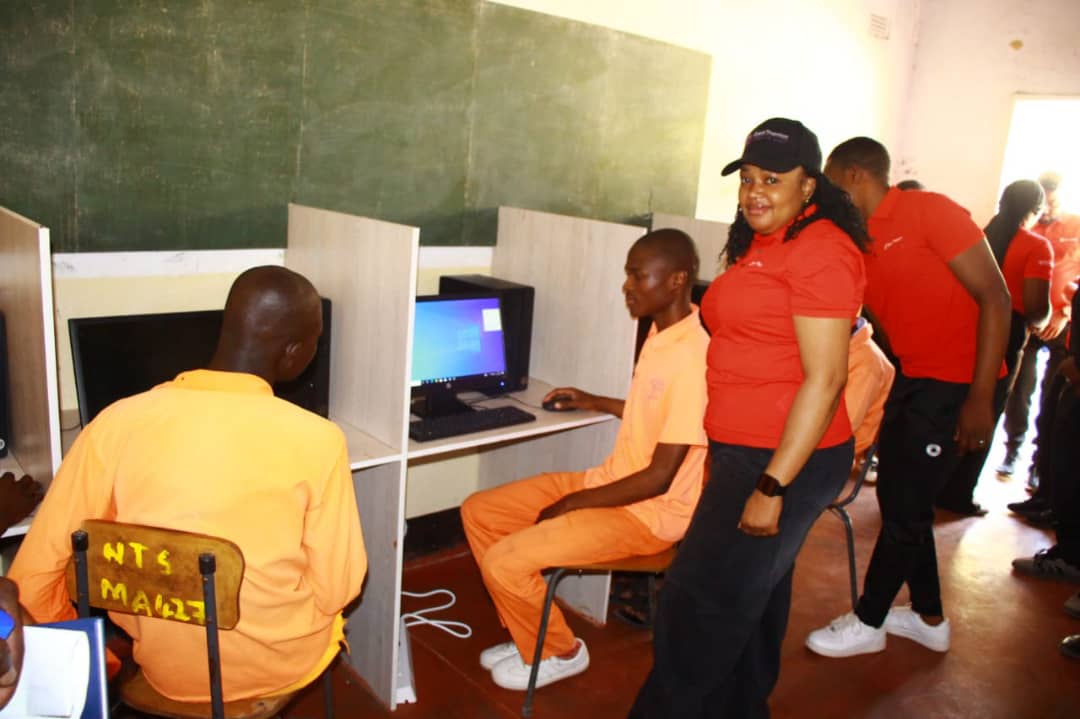
GRANT Thornton has strengthened digital learning and rehabilitation programmes at Whawha Young Offenders Prison after donating computers and essential personal items to inmates.
The donation, made on September 18, 2026, is expected to improve access to digital learning resources, research materials and educational opportunities for young inmates, complementing the institution’s efforts to prepare them for successful reintegration into society.
The firm also donated shoes, soap and Vaseline, addressing some of the welfare needs of the young offenders.
The handover ceremony was attended by Deputy Officer Commanding Midlands Province Assistant Commissioner Clemence Chigogo, who represented Officer Commanding Midlands Province Commissioner Somemore Gate, Grant Thornton staff, correctional officers and inmates.
Assistant Commissioner Chigogo welcomed the computers, saying they would complement the institution’s strong performance in education.
“The computers will go a long way in complementing the great examination pass rates being achieved by inmates at the institution,” he said.
He said access to computers would enable inmates to conduct research and interact with digital resources, adding an important dimension to their educational development while in custody.
The donation also comes at a time when technology has become an increasingly important component of education, skills development and preparation for life beyond correctional facilities.
Grant Thornton partner Edmore Chimhowa said the company chose Whawha Young Offenders Prison after recognising the potential among the young inmates.
“As Grant Thornton, we chose this place because we saw the potential in the inmates incarcerated here,” Chimhowa said.
He said the firm regarded the inmates as part of the wider community and was prepared to support their development.
“We regard them as our brothers and sisters, so we are willing to assist them,” he said.
The contribution reflects the growing role of partnerships between correctional institutions and the private sector in complementing rehabilitation programmes through education, skills development and welfare support.
For young offenders, such interventions can provide opportunities to continue their education and acquire knowledge and skills that can assist them when they return to their communities.
The Zimbabwe Prisons and Correctional Service maintains an open-door policy towards organisations, companies and individuals willing to support the development and rehabilitation of inmates and correctional officers.
The Grant Thornton donation is therefore expected to complement existing educational programmes at Whawha while reinforcing the institution’s focus on rehabilitation and preparing young offenders for productive lives after incarceration.