By Thabisani Dube
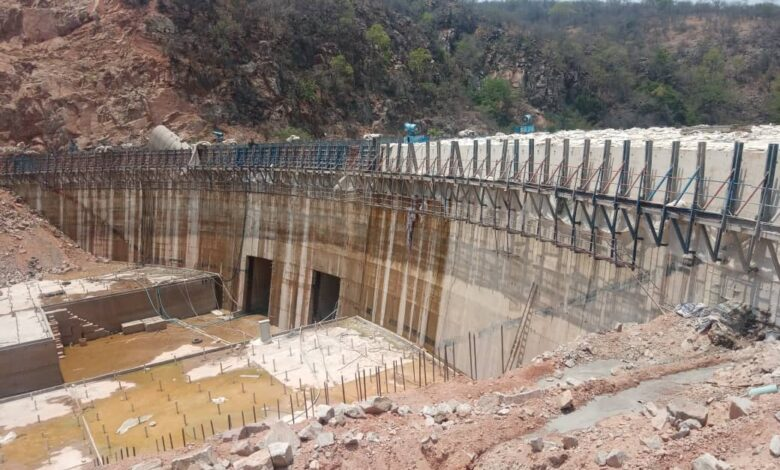
HARARE – Construction of the long-awaited Gwayi-Shangani Dam in Matabeleland North is now 76 percent complete as Government accelerates investment in strategic water infrastructure to improve water security, irrigation and rural development.
Presenting the 2026 Mid-Term Budget and Economic Review Statement in Parliament last Thursday, Finance, Economic Development and Investment Promotion Minister Professor Mthuli Ncube said Government had disbursed ZiG4.9 billion during the first half of the year to support water and sanitation programmes, including dam construction and the Presidential Rural Development Programme.
Ncube said Gwayi-Shangani Dam remained one of Government’s top priority projects and had recorded significant progress.
“You can see that Gwayi-Shangani Dam is 76 percent complete and Kunzvi Dam is 72 percent complete, while Vungu Dam is at 46 percent and Semwa Dam is also at 46 percent,” he said.
He said Government had deliberately prioritised funding for Gwayi-Shangani and Kunzvi dams to ensure they are completed first before resources are redirected to other projects.
“We did say we want to prioritise the first two, Gwayi-Shangani Dam and Kunzvi. That’s why they are receiving more resources than others. Once we start impounding water by year-end, we will then increase resources towards the other dams,” said Ncube.
The minister said Government had also intensified efforts to improve access to safe water in rural communities through the Presidential Borehole Drilling Programme.
A total of 526 boreholes were drilled across the country during the first six months of 2026, bringing the cumulative number drilled nationwide to 5 395.
The programme forms part of Government’s broader strategy to improve rural livelihoods by expanding access to reliable water supplies for domestic use, livestock production and nutrition gardens.
The continued investment in major dam projects and rural water infrastructure is expected to strengthen Zimbabwe’s resilience to climate change, enhance agricultural productivity and improve water availability for communities and industry.