Harare, (New Ziana) – The High Court of Zimbabwe has granted an application by the Environmental Management Agency (EMA) for an order compeling the Harare City Council to take urgent measures to properly manage solid waste and stop the discharge of raw or inadequately treated sewage into the environment.
In a statement, EMA said the judgment was handed down on Friday, under Case Number HCH2610/25, directing the local authority to comply with a range of measures aimed at addressing the capital’s long-running waste management and sewerage problems.
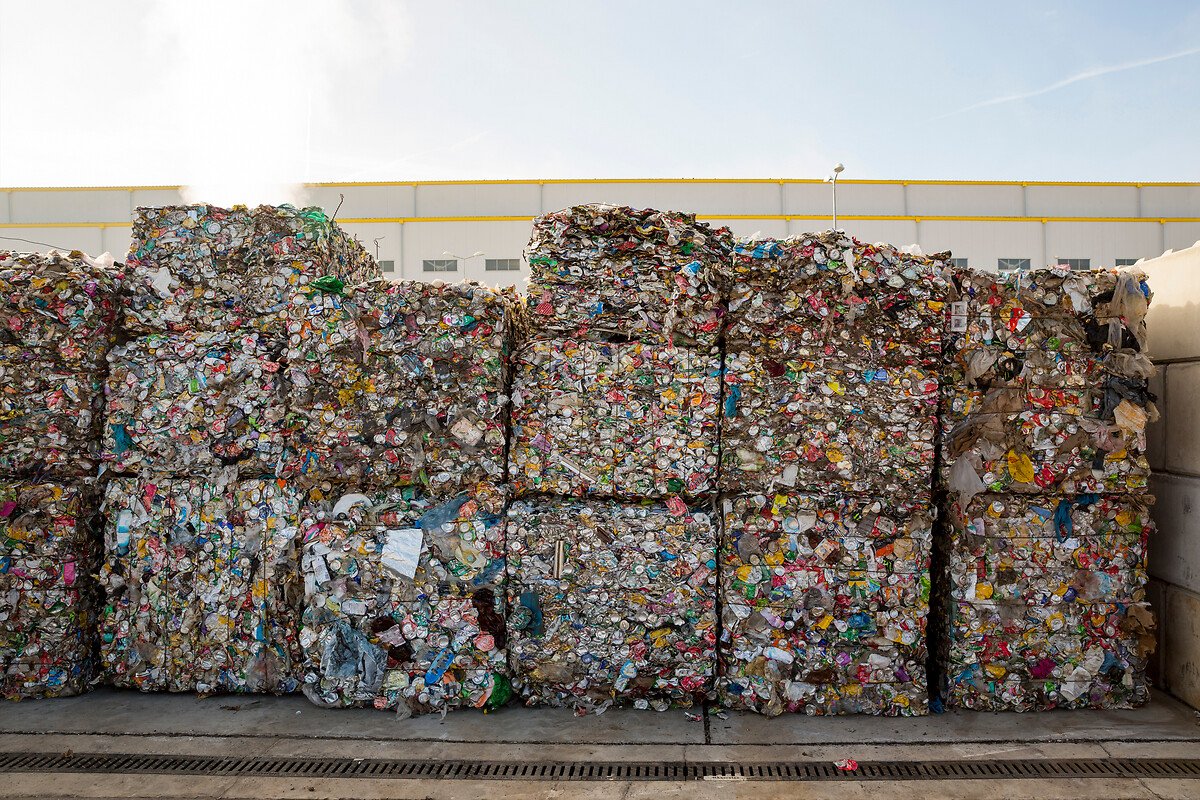
The court ordered the City of Harare to take measures directed by EMA to properly manage solid waste disposal and implement preventive measures.
It also ordered the city “not to discharge partially treated, raw or untreated effluent or sewage into the aquatic environment or water sources” in violation of Section 57 of the Environmental Management Act and relevant regulations.
In addition, the city has been ordered to rehabilitate, repair and upgrade its sewage treatment plants and sewer systems to ensure that effluent is properly treated before being discharged into the environment and water bodies.
EMA said the court intervention followed numerous engagements with the City of Harare, including the issuing of tickets and environmental protection orders, which allegedly failed to produce the desired action.
“This follows numerous engagements, issuance of tickets and environmental protection orders on the same by EMA which yielded no action by the City of Harare thus resulting in the Agency applying for the intervention of the High Court,” it said, adding the ruling gives it stronger enforcement powers, as it can now apply for contempt of court proceedings if the city fails to comply with the order.
EMA said the judgment strengthens its ability to ensure that Harare complies with established mechanisms for addressing both solid and liquid waste management.
“The Agency now has powers to apply for contempt of court against the City if non-compliance continues,” it said.
It warned that the situation extends beyond waste piling up in urban communities, with liquid waste posing a major threat to Zimbabwe’s water resources.
EMA said most monitored urban rivers are currently failing to meet national dissolved-oxygen standards, while phosphate concentrations in some rivers are as much as 12 times above permissible limits.
It said the scale of the problem is compounded by an estimated 415 megalitres of raw and partially treated sewage being discharged into the environment every day.
The figures highlight the potential environmental and public health consequences of continued failure to properly manage sewage and other waste, particularly in densely populated urban areas.
EMA is now calling on all local authorities to comply with solid and liquid waste management regulations, warning against what it described as the continued disregard for sustainable waste management practices.
The agency urged local authorities to invest in both solid and liquid waste management systems, with an urgent focus on infrastructure development.
“Local authorities are therefore encouraged to invest in both solid and liquid waste management systems with urgent focus going towards infrastructure development,” it said.
The High Court order places renewed pressure on Harare to rehabilitate its waste and sewerage infrastructure, while potentially setting a stronger precedent for enforcement of environmental regulations against local authorities that fail to comply.
New Ziana