By Johnson Siamachira
Harare, May 7, 2026 (New Ziana) – In the vibrant heart of Chipinge district, in southern Manicaland Province, the rhythmic hum of two-wheel tractors fills the air, a sound that is rapidly becoming synonymous with change. Among the workers is a striking figure: Florence Bangwayo, the first female mechanic in the area, deftly maneuvering spanners and screwdrivers. At just 23, Bangwayo is not just fixing machines; she’s shattering stereotypes and paving a new path for women in a traditionally male-dominated field.
To address these challenges CIMMYT embarked on initiatives such as the Harnessing Appropriate-scale Farm Mechanization in Zimbabwe (HAFIZ) and Feed the Future Zimbabwe Mechanization and Extension Activity and introduced innovative, farmer-centered models that directly respond to mechanization gaps.
Bangwayo stands as a beacon of hope amids the challenges facing smallholder farmers in Zimbabwe. Mechanization has long been touted as a solution to sluggish agricultural productivity, particularly under the Pfumvudza/Intwasa programme, which emphasises timely land preparation. Yet many farmers still struggle with high equipment costs, limited access to financing, and a lack of local service markets to maintain their machinery,barriers that can stifle innovation and income potential.
Interestingly, Bangwayo’s journey from aspiring mechanic to trailblazer, vividly illustrates the transformative impact of targeted interventions. “I can confidently service the machinery farmers need,” she says, her hands still dirt-streaked from labour. With training under the Feed the Future Zimbabwe Mechanization and Extension Activity, Bangwayo now provides much-needed repairs, allowing farmers to stay productive without the burdensome trek to distant towns.
As a proponent of social inclusion, she represents a broader movement in Zimbabwe’s rural communities where young women are asserting their capabilities. “Empowering women equates to empowering our communities,” Bangwayo says, subtly highlighting the interwoven fabric of gender equality and economic growth.
Under the Feed the Future Zimbabwe Mechanization and Extension Activity, CIMMYT worked closely with financial institutions to unlock machinery financing, engaged 23 machinery suppliers and manufacturers to strengthen equipment availability, and trained 41 rural mechanics to reduce machinery downtime and improve repair services in farming communities. Crucially, CIMMYT also partnered with government, including the Department of Mechanization under the Ministry of Agriculture, Mechanization and Water Resources to ensure mechanization efforts align with national priorities and can be scaled sustainably beyond project funding.
Eng. Nhlanhla Magama from the Department of Agricultural Engineering and Mechanization says the country is placing renewed focus on “the development of postharvest and loss management as part of its evolving mechanization policy direction.
Dr. Christian Theirfelder, CIMMYT Principal Scientist and Cropping Systems Agronomist, emphasises that mechanization isn’t merely about introducing machines. “It is crucial to develop a sustainable ecosystem that makes machinery affordable and accessible. Our work focuses on reducing drudgery and enhancing productivity through localised service provision,” he explains. Also,smallholder farmers face pressing hurdles in accessing mechanised tools, severely impacting their ability to enhance productivity. High machinery costs and limited access to credit impede progress. Furthermore, inadequate service markets in rural areas exacerbate these issues, leading to extended downtimes when equipment breaks. “Many farmers have to wait days or even weeks for repairs, impacting their yields,” notes Mukwemba Habeenzu, CIMMYT Project Manager for the Mechanization Activity.
In the absence of widespread financial infrastructure and support, innovations like the service provision model have emerged. The Mechanization and Extension Activity has reached at least 25,593 beneficiaries, established 229 service providers enabling local entrepreneurs to offer machinery services year-round. This approach allows farmers to access machinery when needed without the overhead costs associated with ownership. The initiative helped farmers to procure 257 machines. The total value of cash purchases was US$102,335, bank loan machinery purchases were worth US$31,128 and hire purchases were worth US$ 33,750.
Additionally, 9,005 services were delivered, generating US$40,234 while 950 individuals were trained, including women and youth. On mechanics, 41 rural mechanics were trained. Chopper grinders and ripping services achieved profit margins of 52 per cent and 40 per cent respectively.
The service provision model has proven highly effective in expanding access to machinery without requiring farmers to own expensive equipment. By April 2025, service providers delivered 9,005 services to 3,668 farmers, generating over US$40,234 in income. With women constituting 44 per cent of service providers, and youth engagement initiatives like mechanization-focused soccer days underway, the future appears bright.
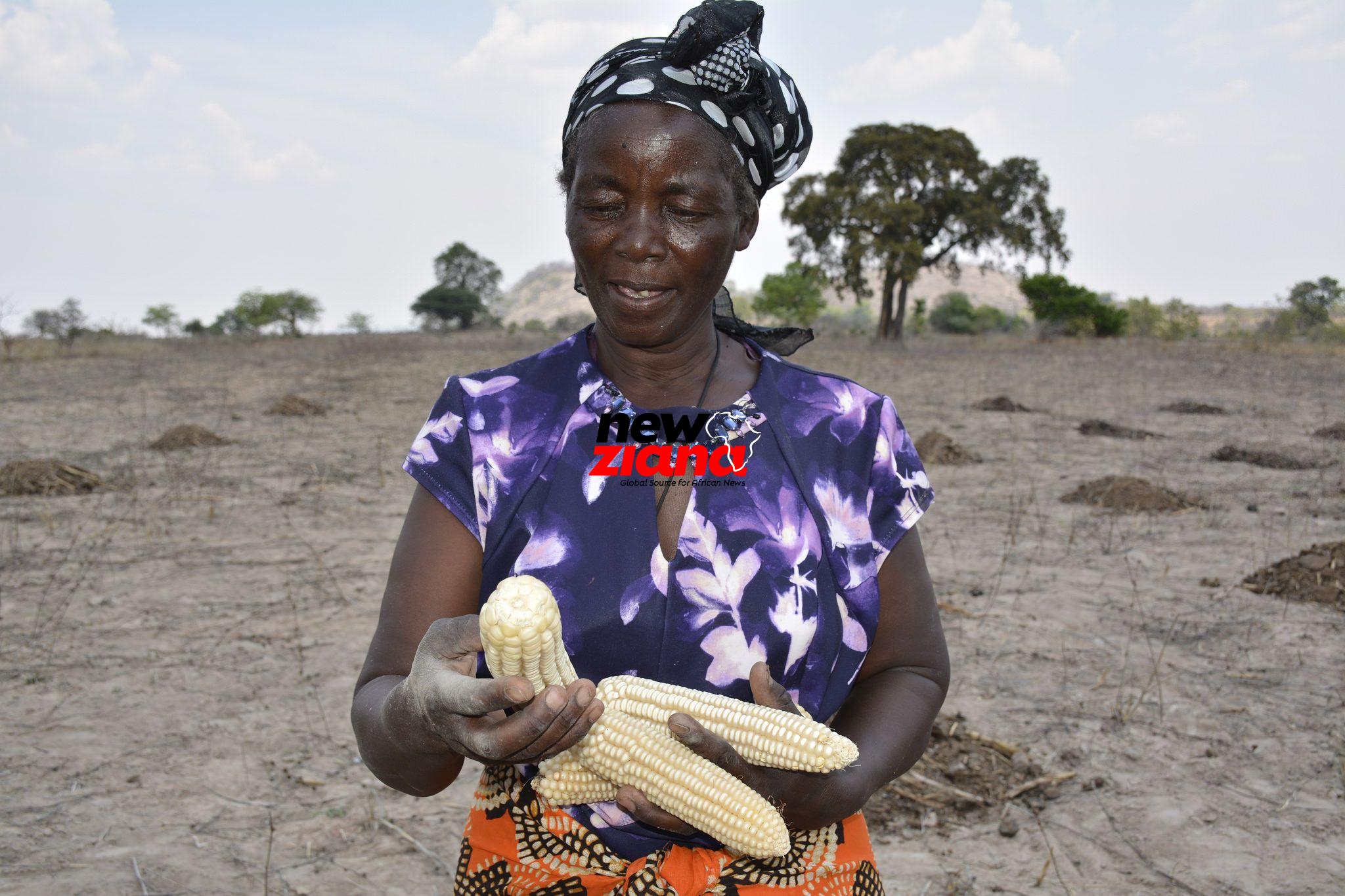
Farmer testimonies from districts such as Murewa and Mutare reflect how mechanization is reshaping livelihoods. Naboth Dhaure, a farmer from Murewa district in Mshonaland East Province reported a marked increase in his harvest due to timely land preparation facilitated by service providers. “I can grow more maize now. My income has improved, and I can better provide for my family,” he says.
Emilia Chikuku, a farmer with a disability from Mutare district, also in Manicaland Province, proudly asserts, “With mechanization, I can farm as effectively as my neighbours. The equipment is helping me overcome my challenges and improve my yields.” Chikuku’s story underscores the importance of inclusivity in agricultural innovations.
The collaborative efforts led by CIMMYT, particularly through the HAFIZ project, are equally promising. This initiative introduced prototype machinery designed for Conservation Agriculture, furthering the benefits of mechanization to reduce environmental impact while promoting productivity.
CIMMYT has gone a gear up in its mechanization thrust. In collaboration with the International Fund for Agricultural Development(IFAD) under a plot initiative, FARM P3, it is advancing mobile threshing services to reduce sorghum post-harvest losses, improve grain quality, and expand smallholder farmers’ access to offtakers and rural finance.
Sorghum is one of the country’s most important drought-resilient crops, anchoring food security in semi-arid districts, CIMMYT writes. But after harvest, up to 30 percent of grain can be lost during labour-intensive manual threshing, limiting farmer incomes and undermining reliable supply to structured markets.
According to CIMMYT, available evidence indicates that mobile threshers can reduce post-harvest losses to as low as 3–5 per cent, saving up to 180 kg of grain per hectare and increasing farmer income by approximately 12 per cent under typical smallholder conditions.
Says CIMMYT: ‘’Manual threshing is physically demanding, time-consuming, and often results in poor grain quality and lower marketable output. The initiative is testing mechanized threshing options in high-potential sorghum-producing districts including Binga, Hwange, Zvimba, Sanyati and Muzarabani.
The FARM P3 pilot complements the IFAD-fundedSmallholder Agriculture Cluster Project (SACP), which works to increase incomes by linking smallholder farmers to climate-smart market value chains through Agribusiness Partnership Groups, matching grants, and financial services.
However, challenges still remain. More needs to be done to fine-tune financing options for smallholders, especially women and youths, to ensure they can leverage these opportunities fully. Strengthening partnerships between financial institutions, local manufacturers, and government bodies is crucial for sustainable scaling.
As the national strategies around mechanization evolve, Dr. Abdul Matin, CIMMYT Scientist at the Mechanization Activity, emphasises, “It is vital for us to integrate mechanization with irrigation and climate resilience strategies to build a robust agricultural system.”
In a country where about 70 per cent of the population relies on agriculture, mechanization emerges not only as a productivity tool but as a pathway to economic empowerment. Moving forward, it is imperative to expand the service provision model, strengthen governmental and private sector collaborations, and promote localised manufacturing. As demonstrated by trailblazers like Bangwayo, the potential for social mobility and economic success through mechanization is vast. Mechanization is not just about machines; it’s about nurturing a sustainable future for Zimbabwe’s smallholder farmers, thereby transforming lives one field at a time.
As aptly put by CIMMYT and partners, “Mechanization drives agricultural transformation” but it also “requires systems, skills, and partnerships, not just machines.”