At 15 years and with no identity card yet, Lugwasyo is now working as a house maid in Baobab North
residential area, one of the low density suburbs in Hwange town. She left Siabuwa, her rural home in
Binga district after finishing her Grade 7 examinations.
She ended up working in Hwange town, but her initial plan was to work in Bulawayo for a while and
then proceed to South Africa where she was promised a better salary in South African Rands.
“I ended up settling for Hwange because the contact who was helping me to secure a job was no
longer helpful and instead I was forced to settle for Hwange because I had no money to go back
home to my family in Binga.
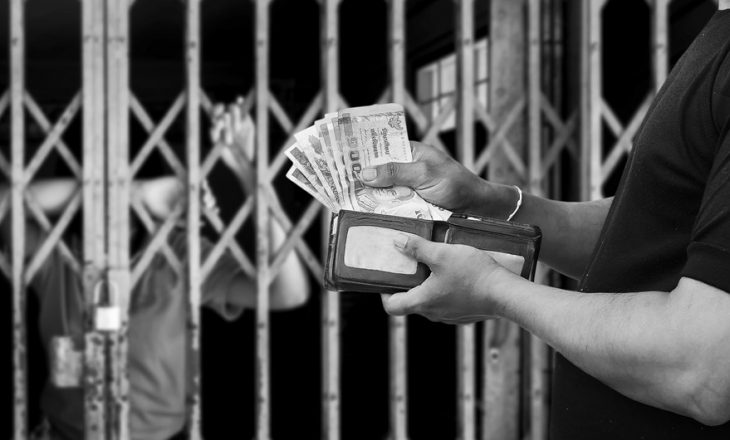
“I work every day and I earn US$40 every month. I am trying to save money so that I can go back
home to my family in December. If I manage to raise the money I will just go back home to my
family,” says a soft spoken Lugwasyo who has been a victim of child labour and human trafficking.
The United Nations defines human trafficking as the recruitment, transportation, transfer,
harbouring or receipt of people through force, fraud or deception, with the aim of exploiting them
for profit. Men, women and children of all ages and from all backgrounds can become victims of this
crime, which occurs in every region of the world.
The Lugwasyo situation is faced by many young girls not only in Hwange but around Zimbabwe and
the region. The economic situation has led to many underage girls being trafficked and leaving them
to be victims of cheap labour.
The government maintained a mixed anti-trafficking law enforcement efforts. Zimbabwe Law
criminalised some forms of trafficking such as sex trafficking and labour trafficking inconsistent with
international law.
The 2015 Trafficking in persons Act defined trafficking in persons as a movement based crime and
did not adequately define exploitation or cheap labour.
According to statistics from the Zimbabwe Traffic In Person National Plan and Action (NAPLAC)
children aged between nine and 14 years work as child minders, house maids and gardeners in
urban areas and mining communities.
Some employers force children to work while withholding their wages, denying them access to
school and subjecting them to Gender Based Violence (GBV).
Meanwhile, Calvin Manika, a Hwange based Childrens right activist under Bancane Trust says
traffickers use false promises of legitimate employment opportunities including thorough social
media messaging.
He says child human trafficking has mostly been rampant in Hwange, Lupane and Victoria Falls.
These are the few urban areas in the province as they offer better opportunities and most of these
children trafficked are usually coming from Binga and Nkayi district.
“From our recent analysis we noted that many areas in Matebeleland North have poor rural setups
and many children are out of school due to various issues chief among them being poverty.
“Such challenges have become a breeding ground for human trafficking from the rural to urban
areas. It's not just a form of migration but there is more. They are lured to be housemaids. Major
culprits have been relatives who connect the village girls to their new stations at a lower salary per
month.
“The girls can’t complain, they are young, aged between 12 and 16. So, these issues need publicity
and advocacy to open the eyes of the people to put off the blurring line between migration and child
human trafficking. Children are being underpaid and abused physically, emotionally and in rare
circumstances,” he says.
However, Zimbabwe is a source, transit and destination country for trafficking in persons yet the
prevalence of different forms of human trafficking in the country are unknown and its conviction
rates and victim identification pattern remain a cause for concern.
The constant lure of a better life in the diaspora has led to hundreds of women falling victim to
international human traffickers. Many end up in the Asia where they are abused and live like slaves.
A few years ago, the government was forced to intervene and pay airfares for Zimbabwean women
who had virtually been held hostage and forced into slavery by their employers.
The cases were widely reported but the lure of a supposedly better life continues to attract young
women to counties such as Kuwait and the UAE where they have ended up regretting their move.
The prospect of earning the greenback continues to attract many as the uncertainty of the country’s
economy prompts people to look for employment opportunities in other countries and towns
resulting in an increased potential for innocent lives to become victims of trafficking.