By Simbarashe Muparaganda
Bulawayo, (New Ziana) — The Mutapa Investment Fund (MIF) is mobilising local, regional and Chinese financing to recapitalise the National Railways of Zimbabwe (NRZ), targeting the refurbishment of locomotives and wagons, acquisition of new rolling stock and rehabilitation of rail infrastructure, an official said on Thursday.
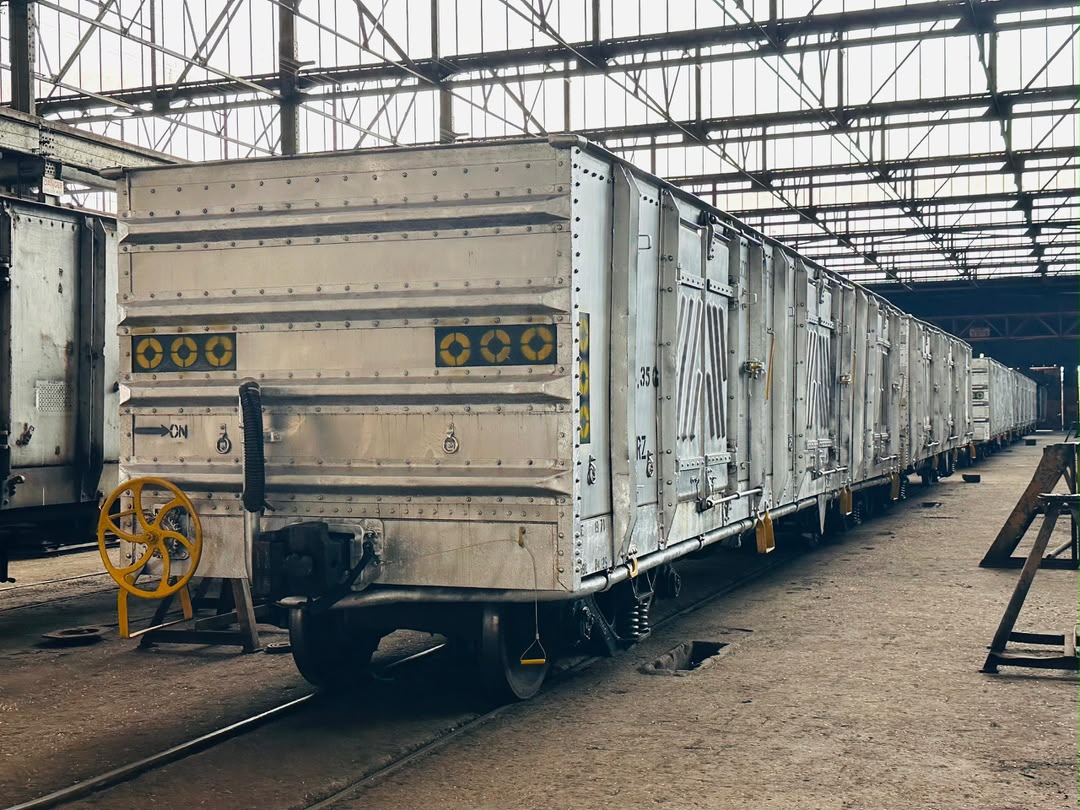
The fund’s chief executive, Dr John Mangudya outlined the funding programme at the commissioning of three locomotives and 100 wagons refurbished under a public-private partnership between NRZ and Zimasco.
He indicated that the fund was supporting the refurbishment of three locomotives under a CBZ loan facility, with the units expected to enter service by December 31, 2026.
“Following the strategic transfer of NRZ into the Mutapa Investment Fund, our oversight model has focused on performance, commercial viability and wealth creation,” Dr Mangudya highlighted.
“Mutapa has also facilitated the leasing of four Sheltam locomotives to relieve immediate traction constraints, while planning to add further capacity as freight business grows,” he said.
Dr Mangudya noted that an Ecobank facility worth US$6 million had been secured for the refurbishment of 520 wagons and the acquisition of maintenance equipment.
He added that NRZ was also pursuing a US$115 million Afreximbank facility to procure 10 new locomotives, 315 wagons and rehabilitate key rail infrastructure.
“Collectively, these investments will improve locomotive and wagon availability, enhance network reliability and increase freight capacity,” he indicated.
In the medium to long term, Dr Mangudya noted that NRZ requires US$600 million to close infrastructure gaps, acquire new rolling stock and upgrade workshops.
He said engagement with China Railway International Group was under way to unlock the initiative.
Dr Mangudya described the NRZ-Zimasco arrangement as proof that public-private partnerships could restore railway capacity without relying entirely on the fiscus.
“As the shareholder, our message has been consistent, the fiscal budget alone cannot shoulder the massive weight of infrastructure renewal and rolling stock overhaul,” he said.
Under the partnership, Zimasco invested in refurbishing idle NRZ rolling stock in return for dedicated usage and incentivised freight rates.
The arrangement gives the ferrochrome producer more reliable transport for its exports while expanding NRZ’s capacity and revenue base.
“It is a win-win model, private partners secure supply chain reliability, while NRZ injects immediate operational capacity into its asset base,” he noted.
Dr Mangudya indicated that rail was crucial to Zimbabwe’s mining and agricultural sectors, which have grown faster than the country’s logistics capacity.
He said shifting commodities from road to rail would reduce road-maintenance costs, shorten transit times and strengthen national trade corridors.
Dr Mangudya also highlighted the rehabilitation of the Machipanda-Harare line with Mozambique and the Chicualacuala-Dabuka-Plumtree line under a US$10 million tripartite arrangement involving Botswana and Mozambique as key components of regional trade integration.
He commended NRZ for conducting the refurbishments locally, saying this demonstrated Zimbabwe’s engineering capability and created employment while supporting technological self-reliance.
He challenged NRZ management to uphold transparency, efficient resource use and strict maintenance standards, while inviting other bulk-cargo players to join the railway revitalisation programme.
“We now challenge other private sector players with bulk cargo to join this revitalisation journey and help write the next chapter of Zimbabwe’s rail history,” he said.
New Ziana