GWERU – Over 600 households in Gweru have benefited from starter packs and financial literacy
through the Welthungerhilfe Urban Resilience Building programme.
The programme has empowered residents in Mambo, Ascot and Mkoba to help them recover from
shocks, stress and hazards brought by Covid 19 pandemic.
The residents have benefited from financial capacity building and creation of food security as most
of them have been pushed into urban poverty by the Covid 19 pandemic.
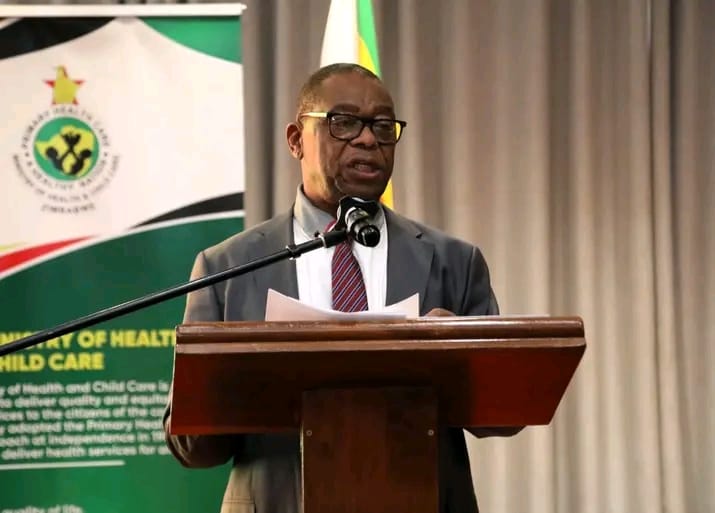
Speaking during a Gweru Urban stakeholders review meeting recently, Welthungerhilfe Urban
Resilience Building project Engineer Takudzwa Muvindi revealed that over 600 households are now
running business projects in Gweru.
“We have about 397 households that received poultry starter packs, over 80 households are doing
detergent making, 37 households are in peanut production, 16 households are into garment making
and sewing among other projects,” said Eng. Muvindi.
Gweru residents have been trained to run more than 10 projects.
“Projects we have financed so far include rabbit production, horticulture, hydroponics, garment
making, mushroom farming, freezits making and fish farming,'' he said.
The projects field manager Funny Nyaunga said a lot of money was being channelled to the
beneficiaries helping them establish their own businesses.
“Around US$ $261 000 is being invested into the project monthly. We expect beneficiaries to have
financial accountability and make the most out of the projects they run,” said Nyaunga.
Beneficiaries of the programme showed gratitude to the organisation as the projects have improved
their standard of living.
Perpetua Magada representing the poultry beneficiaries said they were making progress as a group.
“Our poultry project is expanding into bigger projects, we have managed to grow from the starter
packs we were given by WHH (Welt Hunger Hilfe). We are now able to cover some of our day to day
needs from the proceeds,'' she said.
Ever Sinikiwe Mohau who is part of the beneficiaries doing detergent making could not hid her
gratitude while giving the review from their project.
“We were taught detergent making in June, now we have improvised and we can make other
products we were not taught such as body lotions and floor polish. We are slowly becoming popular
in our communities,“ said Mohau.
The Deputy Mayor Edison Kurebgwaseka and other councillors who graced the event applauded
organisation for partnering with them in creation of food security in the wards.
“l am grateful to Welt Hunger Hilfe for a positive change in our communities, especially to the
youths. These projects can grow into industries and create employment,“ said the Deputy Mayor.
The project now has inclusivity as it is no longer gender biased towards women as it now has youth
and disabled funds.