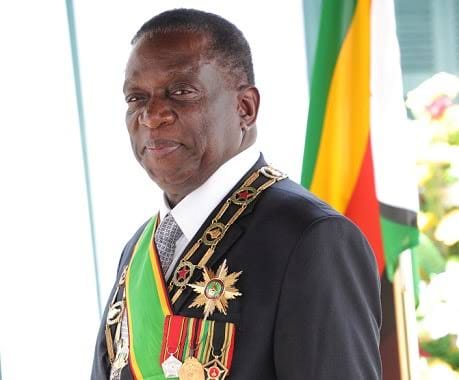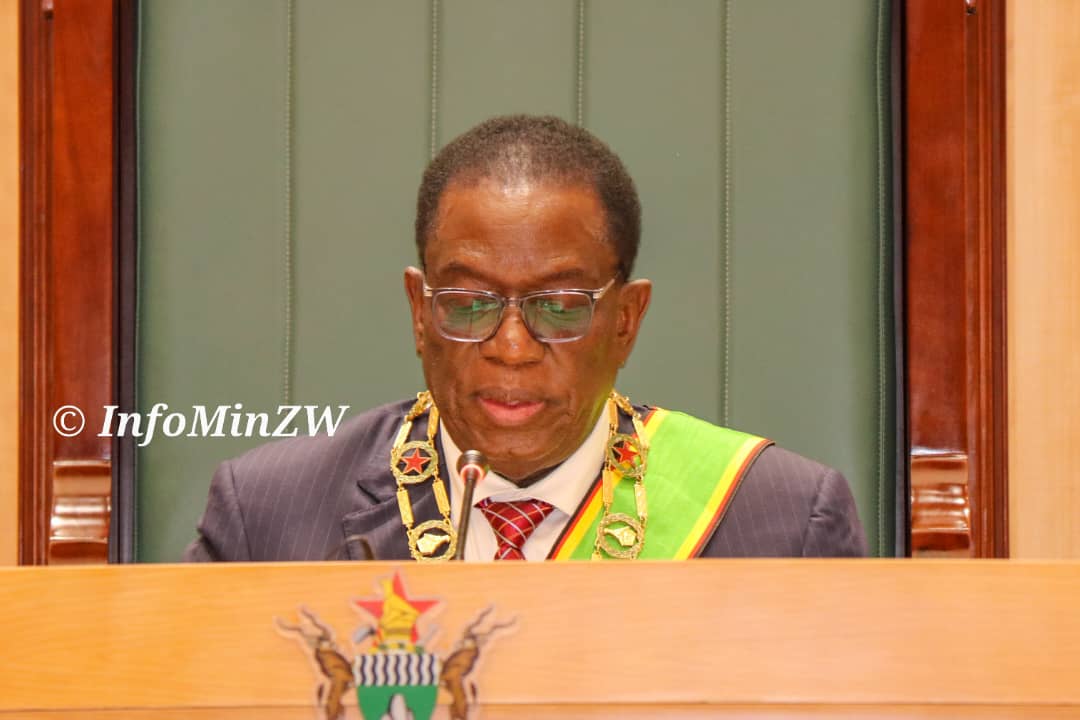
Harare, (New Ziana) – Zimbabwe’s overwhelming election to the United Nations Security Council (UNSC) on Wednesday has demonstrated the international community’s confidence in the country’s leadership and commitment to global peace and security, President Emmerson Mnangagwa has said.
The country was elected a non-permanent member of the UNSC with 182 votes out of 190, an overwhelming endorsement by the global community of nations.
Zimbabwe will serve a two-year term on the powerful UN body from January 1, 2027, to December 31, 2028, alongside superpowers such as Russia, China and the United States.
During the period, the country will be intensely engaged in international diplomacy, looking at hot-spots such as the conflicts in Ukraine and the Middle East.
The vote tally was the highest among the countries contesting non-permanent seats for the 2027–2028 term.
The election marks Zimbabwe’s third stint on the Security Council, having previously served as a non-permanent member in 1983–1984 and 1991–1992.
The Ministry of Foreign Affairs and International Trade spearheaded Zimbabwe’s successful campaign.
Reacting to the outcome on his X account, President Mnangagwa described the election as a significant diplomatic achievement for the country.
“Today, Zimbabwe marks a significant diplomatic milestone as the nation has been elected as a non-permanent member of the United Nations Security Council, garnering 182 out of 190 votes.
“This resounding victory underscores the effectiveness of our Engagement and Re-engagement agenda, demonstrating the global community’s confidence in Zimbabwe’s leadership and commitment to international peace,” he said.
President Mnangagwa said Zimbabwe would use its position on the Security Council to contribute meaningfully to international peace, security, and multilateral cooperation, while advancing Africa’s interests and advocating for a fairer and more equitable global order.
He expressed gratitude to UN member states for their support and commended Zimbabwe’s diplomatic team for securing the landmark victory.
“Zimbabwe is open for business and now plays a pivotal role in shaping global peace,” President Mnangagwa added.
Other countries elected as non-permanent members of the Security Council for the 2027–2028 term are Portugal, Austria, Trinidad and Tobago, and Kyrgyzstan.
The Security Council’s five permanent members are Russia, China, the United States, France, and the United Kingdom, all of which hold veto power.
New Ziana