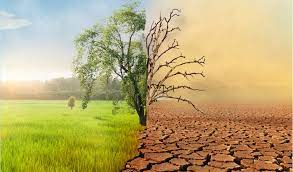
Climate change is a global phenomenon with far-reaching consequences. The effects of climate
change in Zimbabwe are already evident, with droughts, floods, and extreme temperatures
becoming more frequent and severe.
These events have significant impacts on the physical environment, but they also have significant
psychological and mental health impacts on the people of Zimbabwe. The psychological and
mental health impacts of climate change are complex and multifaceted.
Climate change is a threat to human security, as it can disrupt livelihoods, cause displacement,
and increase the risk of conflict. These disruptions can have significant impacts on the mental
health and wellbeing of individuals and communities
One of the most obvious psychological impacts of climate change is the stress and anxiety that it
causes. Climate change has led to extreme weather events such as droughts and floods that
threaten people's livelihoods, homes, and property. This creates a sense of uncertainty and
instability that can lead to anxiety, depression, and other mental health issues. Farmers who rely
on rain-fed agriculture are particularly vulnerable to climate change impacts and often
experience significant stress as their crops fail, leading to food insecurity and economic hardship.
Another impact of climate change is the displacement of people due to floods, droughts, and
other climate-related disasters.
This can lead to forced migration, which can be extremely traumatic and have lasting
psychological effects. For example, those who are forced to flee their homes may experience
feelings of dislocation and isolation, which can lead to depression and anxiety. Displacement can
also disrupt social networks and support systems, leading to further psychological distress.
Climate change can also have a negative impact on the physical health of individuals, which can
lead to psychological distress. For example, exposure to extreme heat can lead to heat stress,
dehydration, and other health issues that can affect mental health. Additionally, air pollution
caused by climate change can worsen respiratory conditions such as asthma, which can also have
an impact on mental health. The psychological impacts of climate change can also be felt on a
larger scale. Climate change can create a sense of hopelessness and helplessness, leading to
feelings of despair and depression. This can be particularly pronounced in communities that are
already struggling with poverty and other social and economic challenges.
Children and youth are particularly vulnerable to the psychological impacts of climate change.
They may feel overwhelmed and helpless in the face of such a massive and complex problem.
Climate change can also disrupt their education, social connections, and future prospects, leading
to feelings of hopelessness and despair. Climate change can also have cultural and spiritual
impacts on communities in Zimbabwe. Changes to the physical environment can disrupt
traditional practices and beliefs, leading to a loss of cultural identity and connection to the land.
This loss can contribute to feelings of grief, anger, and despair.
The psychological and mental health impacts of climate change in Zimbabwe are significant and
wide-ranging. Climate change-related stress, anxiety, and depression can lead to serious mental
health issues, while displacement and physical health impacts can exacerbate existing mental
health conditions. Addressing the psychological impacts of climate change will be critical to
building resilience in individuals and communities in Zimbabwe and beyond.climate change is
not just an environmental problem; it is also a human problem. The psychological and mental
health impacts of climate change in Zimbabwe are significant and cannot be ignored. It is
essential to address these impacts alongside efforts to mitigate and adapt to the physical impacts
of climate change. By doing so, we can work towards a more resilient and sustainable future for
all Zimbabweans.