Harare, (New Ziana) – Zimbabwe must move beyond relying solely on infrastructure, legislation and enforcement to curb road carnage, but also require that every road user embraces responsibility, discipline and respect for traffic laws, Transport and Infrastructural Development Minister, Felix Mhona has said.
Mhona said road safety was a national priority, warning that every life lost on the country’s roads carried a devastating human and economic cost through deaths, injuries, lost productivity, healthcare expenses and damage to property and infrastructure.
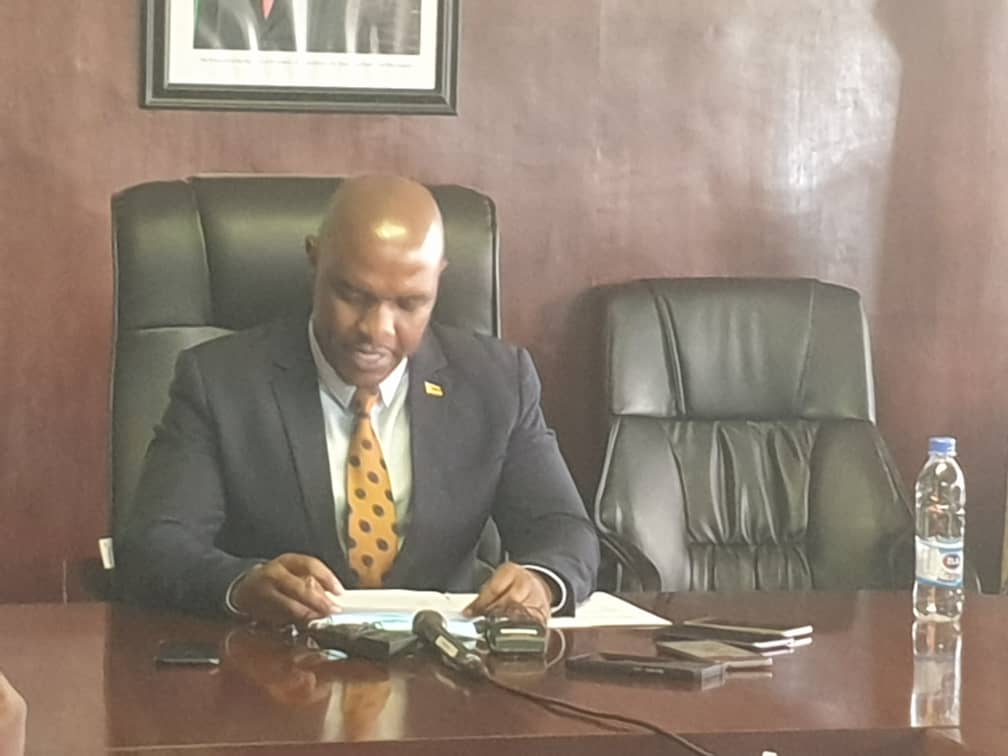
“No amount of infrastructure development, legislation, or enforcement can substitute the responsibility that each road user bears,” he said in a speech read on his behalf by the Ministry’s Director of Human Resources, Ms Nyasha Bore, at the 2026 Traffic Safety Council of Zimbabwe (TSCZ) Annual General Meeting in Harare on Tuesday.
He urged motorists, pedestrians, cyclists, passengers and transport operators to collectively promote a culture of safe and responsible road use.
Mhona said Government was committed to reducing road crashes and fatalities through evidence-based interventions, stronger enforcement, improved road infrastructure and sustained public awareness campaigns.
He commended the TSCZ for its work in road safety education and awareness, driver training, research, advocacy and stakeholder engagement, saying these initiatives were critical in promoting responsible road-user behaviour and compliance with traffic regulations.
Mhona said road safety must also be integrated into Zimbabwe’s broader development agenda as the country pursues the National Development Strategy and Vision 2030.
“Road safety cannot be viewed in isolation. It must be integrated into broader national development objectives and supported through coordinated action among all stakeholders,” he said.
He called for stronger partnerships between TSCZ, Government ministries, local authorities, law enforcement agencies, transport operators, educational institutions, development partners and the private sector.
Mhona further challenged the Council to intensify research and data-driven decision-making as rapid urbanization, rising vehicle populations, emerging technologies and changing mobility patterns reshape Zimbabwe’s transport landscape.
He said robust monitoring and evaluation systems would be essential to measuring the impact of road safety programmes, informing policy and ensuring resources were used effectively.
He also urged TSCZ to transform itself into a leading road safety agency and centre of excellence in research, education, advocacy and stakeholder coordination.
He said the collective goal should remain clear: reducing road crashes and saving lives.
“Let us therefore renew our commitment to responsible road use and work together towards the ambitious but achievable goal of reducing road traffic crashes and saving lives,” Mhona said.
New Ziana