Harare, (New Ziana) -In a bid to empower young minds and drive grassroots innovation, the Zimbabwe government has partnered with the private sector and schools to launch the Sustainable Development Goals (SDGs) Proposal Writing Competition, targeting learners.
The initiative aims to give students a platform to demonstrate their potential in addressing sustainable development challenges through creative and actionable proposals.
Officially launched in Harare on Sunday, the competition is set to engage learners in developing solutions aligned with the National Development Strategy 2 (NDS2), while deepening their understanding of the 17 United Nations-adopted SDGs, ranging from climate action to quality education and poverty eradication.
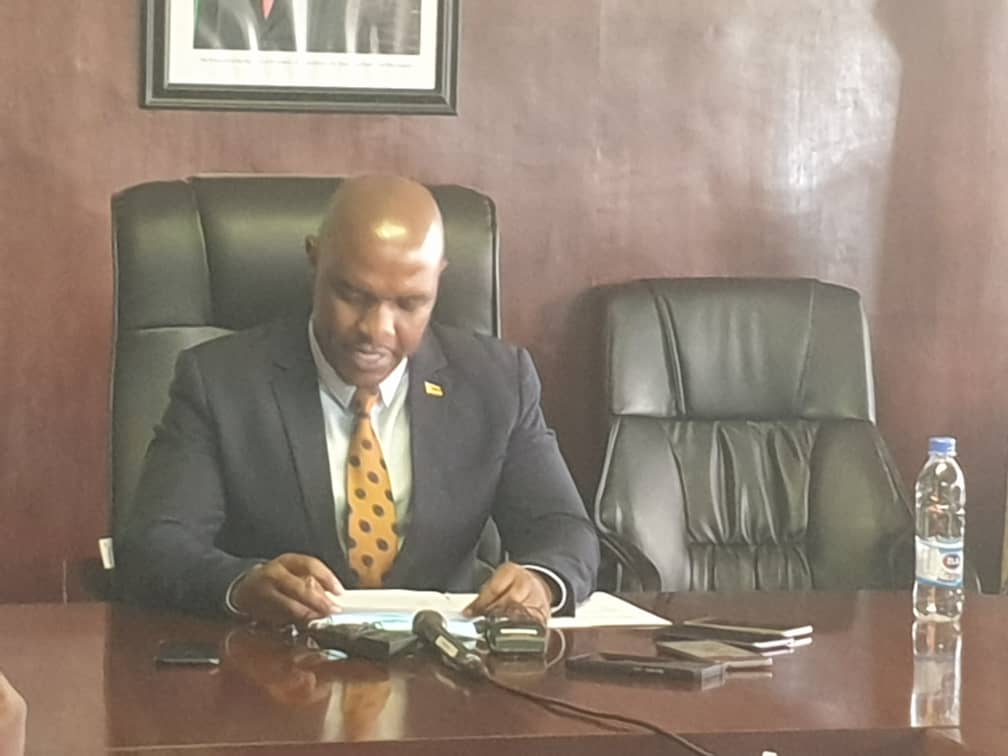
Speaking at the launch, Deputy Minister of Public Service, Labour and Social Welfare Mercy Dinha emphasized the importance of nurturing youth engagement in the sustainable development discourse.
“The Sustainable Development Goals and Agenda 2063 play as blueprints for structural transformation in Zimbabwe,” she said.
“True, sustainable development must be localized and owned by communities. Statutes and policy guidelines alone cannot generate impact unless complemented by grassroots innovation.”
Dinha cited success stories such as those in rural Tsholotsho, Matabeleland North province, where SDG 2 (Zero Hunger) has been advanced through school club-led cooperative farming projects that partner with village health workers to promote climate-smart agriculture.
Ministry of Primary and Secondary Education chief director for human resources, Lameck Mudyiwa, highlighted the alignment of the heritage-based curriculum with SDG literacy.
“Our curriculum emphasizes project-based learning, where pupils propose and implement small-scale initiatives like rainwater harvesting systems or peer-led reading clubs,” he said.
“Such hands-on experiences reinforce academic concepts and cultivate problem-solving skills and teamwork.”
UNICEF country representative Etona Akole, reading a speech on behalf of UN country coordinator Edward Kalon, called for urgent action to accelerate progress on the SDGs.
“Only 17 percent of SDG targets have been met to date. Initiatives like this competition are essential to propel greater achievement,” he said.
Employers’ Confederation of Zimbabwe (EMCOZ) economist Tamuka Mukura expressed excitement over the potential of the competition to uncover student-led innovations.
“We are looking for students to demonstrate their creativity, critical thinking, and problem-solving skills,” he said.
“We encourage them to collaborate, think outside the box, and push boundaries.” Competition timeline and stages include Orientation, where learners will study the SDGs using detailed guidelines, research, questionnaires, discussions, and observations followed by Proposal Writing, where primary school learners are required to write 1000–1500 words and secondary school learners 2500–3000 words, with submissions including pictures, graphs, maps, and other illustrations.
All entries, whether typed or handwritten, should be stamped by school heads and submitted by Friday, July 20 this year, with unstamped entries being disqualified.
An independent panel aligned with SDG indicators will judge the entries with top submissions at both provincial and national levels being awarded.
The competition is expected to stimulate local innovation and deepen awareness of sustainable development among Zimbabwe’s future leaders.
New Ziana