The City of Gweru is making a concerted push for local businesses to modernise their refuse management by adopting waste separation at source.
This initiative, which aligns with broader national environmental goals in Zimbabwe, encourages enterprises to sort recyclables and hazardous materials at the point of generation rather than at the landfill.
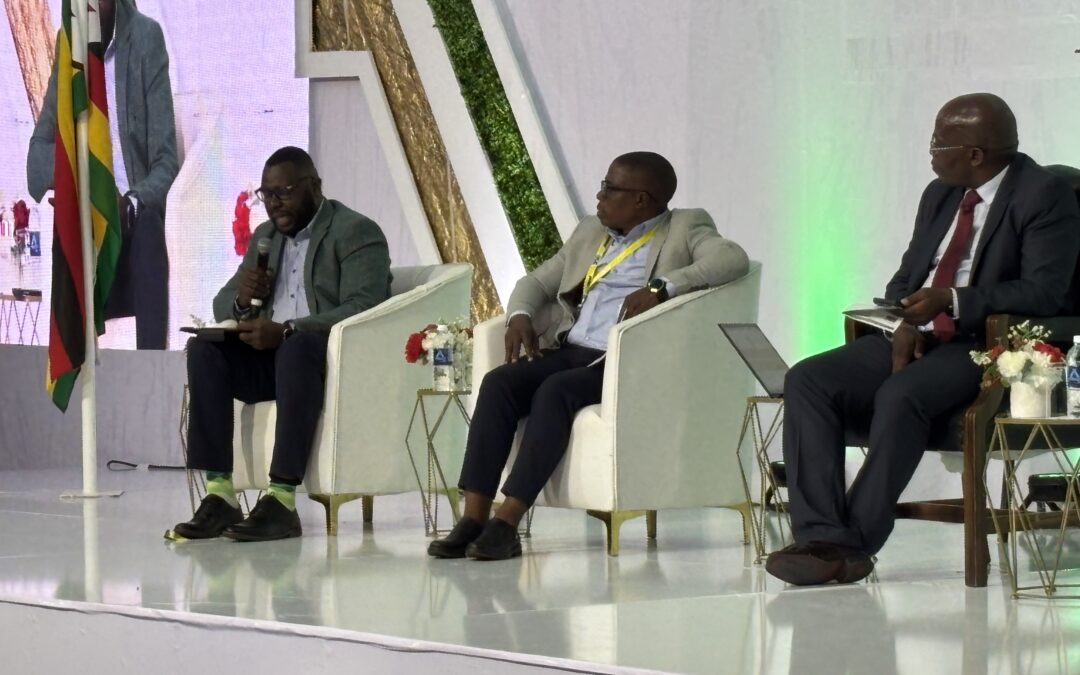
Town Clerk Livingstone Churu highlighted that moving away from a “mixed waste” approach offers tangible financial incentives for the private sector.
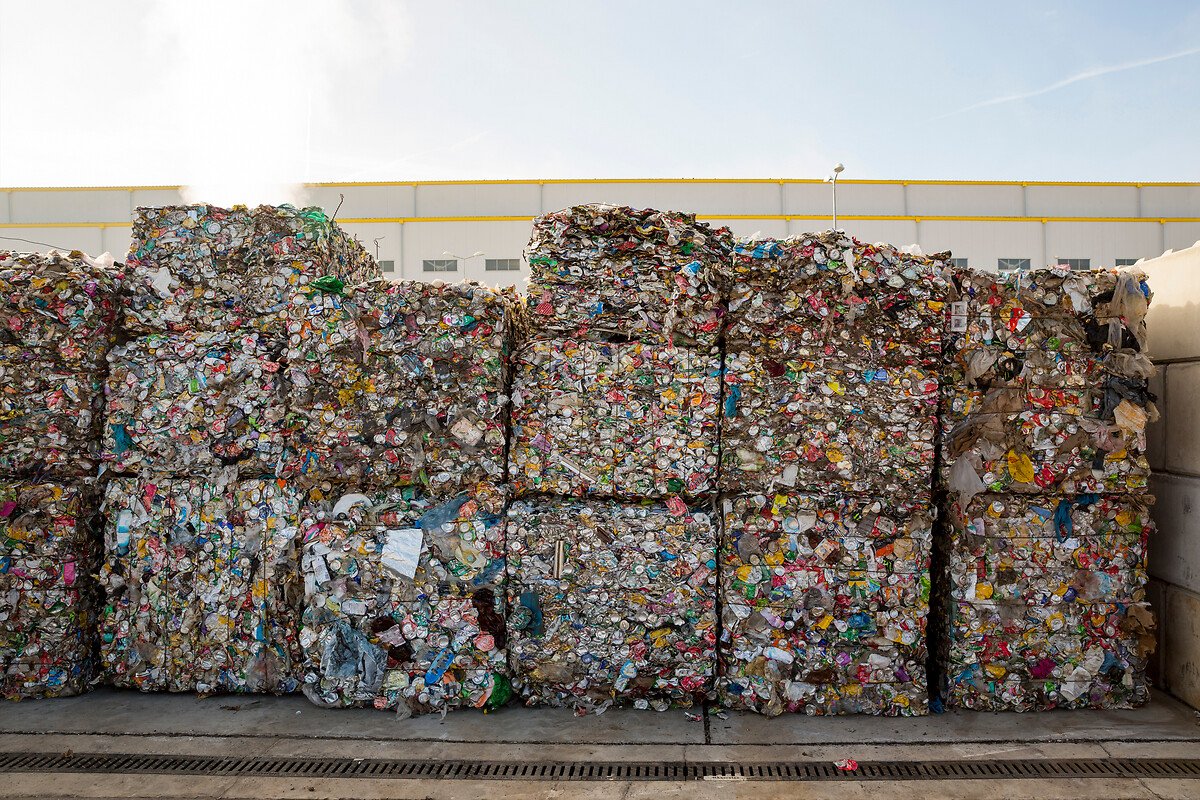
Businesses can significantly lower their disposal and landfill levies by reducing the volume of general waste. By sorting materials like paper, plastics, and metals it allows companies to sell these recyclables to processing firms.
Also these practices ensure businesses remain in line with statutory requirements, thereby avoiding heavy fines and penalties from municipal authorities.
Beyond the balance sheet, the City’s Health Services Department is emphasizing the public health necessity of this transition. Director of Health Services, Samson Sekenhamo, noted that proper sorting is a front-line defence against disease and pollution since effective separation prevents the contamination of soil and water sources, which is vital for maintaining a healthy urban environment.
Organised waste management also improves hygiene on-site and ensures that hazardous materials are handled with the necessary caution. And by feeding the recycling value chain, Gweru businesses contribute to the conservation of natural resources and a “greener” local economy.
In the current Zimbabwean business climate, environmental, social, and governance (ESG) factors are becoming increasingly important for brand reputation.
“Demonstrating responsibility towards the environment builds trust with customers and strengthens a business’s reputation in the community,” Sekenhamo remarked.
The council is urging all operators—from small shops to large factories—to view waste separation not as a burden, but as a commitment to sustainability and operational efficiency.
Gweru, known as the “City of Progress,” has faced significant waste management challenges in recent years due to rapid urbanisation and limited landfill capacity. This call to action mirrors the Zimbabwean government’s “Integrated Solid Waste Management Plan,” which seeks to transform waste into a resource through a circular economy.