Antony Chawagarira
CHILONGA Irrigation Scheme, once the pride of the Hlengweni community and a steady source of income through market gardening, now lies largely idle, its fields carpeted with grass after heavy rains rather than rows of mealies and vegetables.
For years, the scheme supplied households with fresh produce and steady cash, allowing families to pay school fees, support small traders and employ casual labour during planting and harvest seasons.
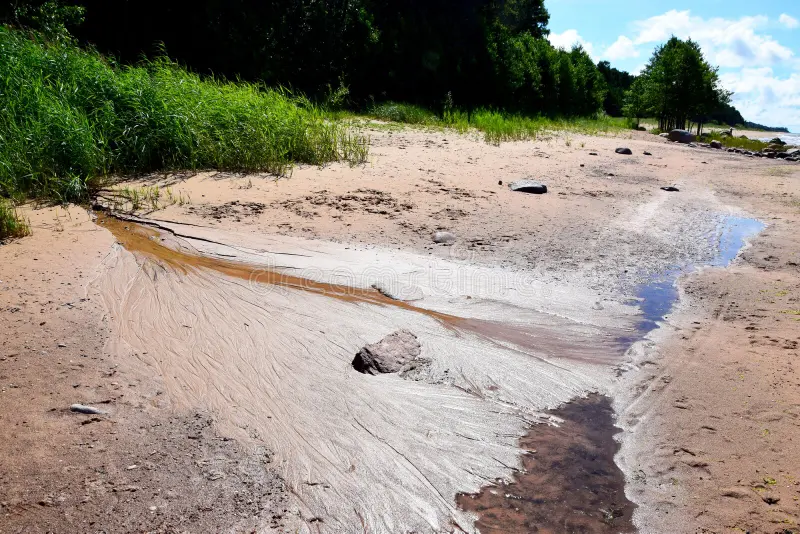
Today, however, the scheme’s intake on the Runde River is choked with silt, and the pumps that once fed the canals stand unused or in disrepair, leaving farmers to watch what was once a reliable lifeline shrink into a memory.
Local agricultural extension officer Fungai Plaxedes Jeke confirmed that Chilonga is the only scheme in Chiredzi District currently facing such severe water access problems. Nineteen other irrigation schemes across the district, including Malikango, Tshovani and Manyeredzi, continue to function and help their communities cope with erratic rainfall, but Chilonga has been inactive for years.
“Silt from upstream has filled the intake and cut off reliable flows to the pumps. Without dredging and a functioning headwork, there is no water to distribute, regardless of how committed the farmers are,” he said.
The problem has been compounded by rising operating costs: electricity bills for pumps and frequent maintenance make running the scheme prohibitively expensive for farmer cooperatives already stretched thin.
Residents of Hlengweni speak with a mixture of frustration and longing.
“We used to sell mealies and vegetables to buyers from town every season,” said Ester Mangwana, a long‑time market gardener.
“Now there is grass everywhere. Our children miss the fresh greens they grew up with. We have lost our market and our savings.”
Men and women who once depended on seasonal earnings from the irrigation scheme say they have reverted to subsistence farming, sought informal work elsewhere, or simply seen household incomes fall. Small traders who sourced produce locally report shrinking businesses, and youth who relied on casual agricultural labour find fewer opportunities, deepening the area’s unemployment problems.
Chiredzi District Development Coordinator Lovemore Chisema agreed that siltation and costs are at the heart of the crisis and said the government and the national water authority are aware of the situation.
He explained that regular excavation of channels and intake structures is necessary to keep water moving, and that the expense of electricity and pump repairs further discourages operation, even where water can still be reached.
“Dredging the intake, repairing or replacing pumps, and securing a reliable, affordable power source are priorities,” Chisema said.
He called on private partners and development organisations to work with farmers and the district to revitalise the scheme, stressing that coordinated funding and technical input are essential to any successful rehabilitation.
Community leaders and agriculture experts have proposed several practical measures to restore Chilonga’s functionality.
Emergency dredging and desilting of the Runde intake and distribution channels could restore flow relatively quickly if funded. A feasibility study on alternative power sources, such as solar pumping, would address the recurrent burden of electricity costs and could provide a longer‑term, sustainable solution.
Upstream erosion control and the installation of sand traps would help reduce future siltation and the frequency of expensive maintenance. Most farmers say rehabilitation must include a transparent management plan, local labour and skills transfer so that communities can maintain the infrastructure and avoid a repeat of the current collapse.
There is a sense of guarded hope in Hlengweni. Farmers and community leaders say they will press for a clear rehabilitation timeline and insist on being included in any restoration plan. They argue that Chilonga’s recovery would not only revive incomes and local markets, but also strengthen food security in one of the driest parts of Chiredzi District, where irrigation schemes allow crops to survive mid‑season dry spells and periods of low rainfall.
“If the intake and pumps are fixed and we get support, we can plant again. Chilonga can be the cash of the community once more — but it needs action, not promises,” Mangwana said.
District authorities have opened discussions with water authorities and potential private partners, and officials said they are exploring options to mobilise funding and technical assistance.
For now, though, the fields remain quiet, a vivid reminder that infrastructure neglect and rising costs can erode livelihoods faster than communities can adapt.
The future of Chilonga will depend on whether government agencies, development partners and the private sector move from acknowledging the problem to delivering the dredging, repairs, power solutions and governance improvements needed to bring the scheme back to life.