
Bulawayo, (New Ziana) – Zimbabwe should prioritise investment in mineral exploration to sustain its mining industry and unlock future economic growth, a senior official of the Geological Society of Zimbabwe (GSZ) said on Friday.
Addressing delegates at the inaugural Mine Entra Exploration Symposium, GSZ vice chairman, Edgar Chiteka described mineral exploration as the foundation of the mining value chain, saying failure to continually discover new mineral deposits would inevitably lead to the decline of the industry.
“Without exploration, we have no mining industry to talk about. Without a mining industry to talk about, we have a limited economy,” he said.
He said although Zimbabwe boasts vast mineral wealth and favourable geology, inadequate investment in exploration was threatening the long-term sustainability of the mining sector.
Chiteka said every producing mine in the country today was once an unexplored tract of land before geologists identified its mineral potential.
“I am sure we have all seen the big mines around the country. At one point those mines were covered by thick bush, tall grass and, in some cases, sandstone.
“Thanks to exploration, we managed to transform those environments into thriving mines, thriving cities and, to a larger extent, thriving economies,” he said.
Chiteka noted that despite its critical role, exploration is often the first casualty when mining companies face financial constraints.
“When finances shrink, the first thing to be thrown out of the room is exploration,” he said.
Chiteka warned that relying solely on existing mines without replenishing mineral reserves through exploration was unsustainable, likening the practice to driving in darkness without headlights.
“You can sustain yourself for a couple of years, but what happens after those years?” he asked.
Chiteka highlighted that while many mines in the country have an operational lifespan of between five and 10 years, bringing a new mine into production can take between 15 and 20 years, making continuous exploration essential.
“We are engaged in a situation that we need to address as a collective effort,” he said, urging government, investors, mining companies and geo-scientists to work together to increase exploration funding.
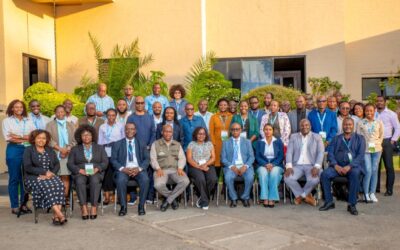
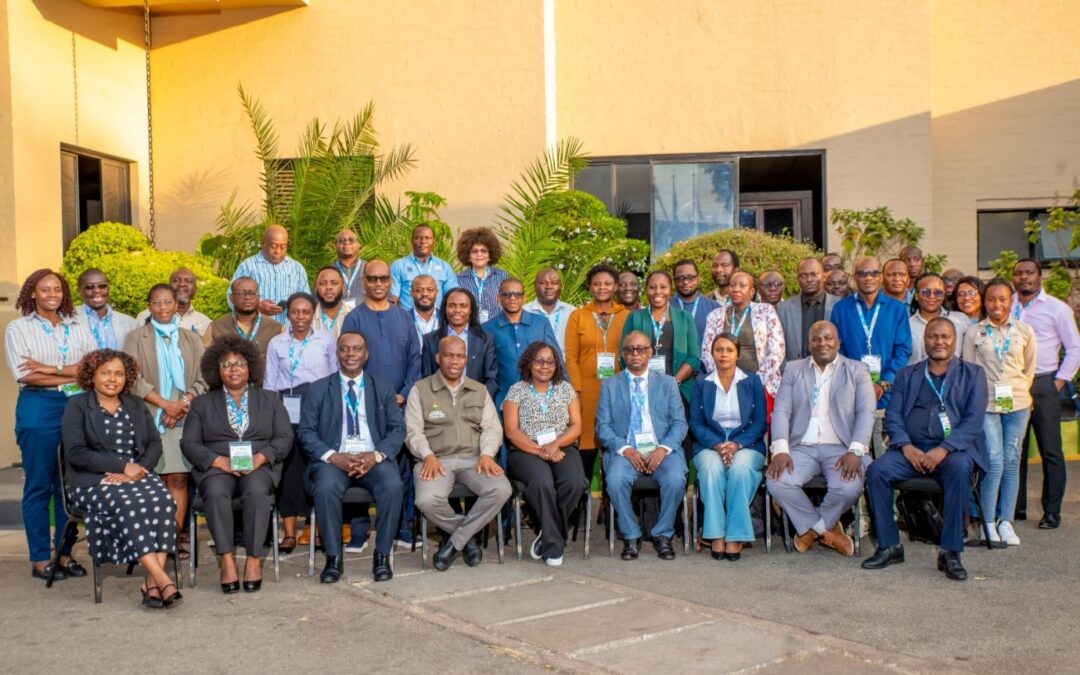
Chiteka said the inaugural symposium was a significant milestone as it recognised exploration as the starting point of the mining industry and created a platform for collaboration among geo-scientists, investors, policymakers and mining executives.
He also commended the Ministry of Mines and Mining Development for engaging the Geological Society of Zimbabwe on policy reforms affecting the sector.
“In the past few months we have had very fruitful engagements with our Minister of Mines. We should commend the efforts being made to address some of the key issues we continue to raise as a Geological Society,” he said.
Chiteka said Zimbabwe’s geology compares favourably with leading mining jurisdictions such as Australia, but the country has not matched its geological potential with sufficient exploration investment.
“Australia has similar geology to ours and today its mining industry is among the best in the world. We have the geology. What we need is sustained exploration and investment,” he said.
Zimbabwe has more than 65 known mineral types, many of which remain under-explored and undeveloped due to limited exploration activity.
Chiteka said unlocking these resources through sustained exploration would not only create new mines but also stimulate investment, employment, infrastructure development and broader economic growth.
New Ziana