
By Sharon Chimenya
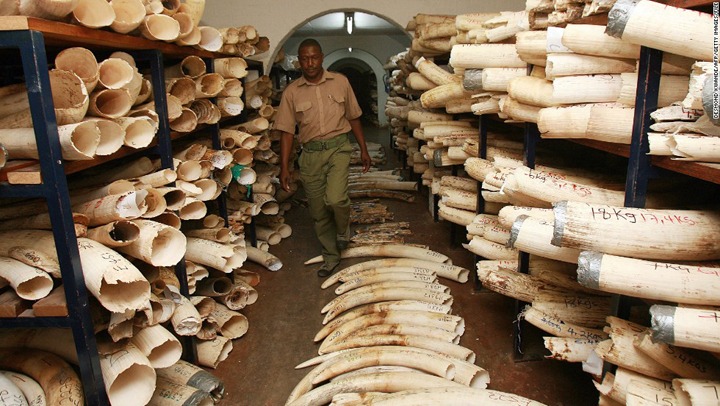
ZIMBABWE continues to advocate for the lifting of trade restrictions, as the country has accumulated more than 100 tonnes of ivory through natural elephant mortality and the management of its growing elephant population.
Due to its commitment to sustainable wildlife conservation practices, Zimbabwe now has the second-largest elephant population in Africa, estimated at between 85,000 and 100,000.
In 1989, the Convention on International Trade in Endangered Species (CITES), the international body that monitors endangered species, imposed a ban on ivory trade in response to the declining African elephant population.
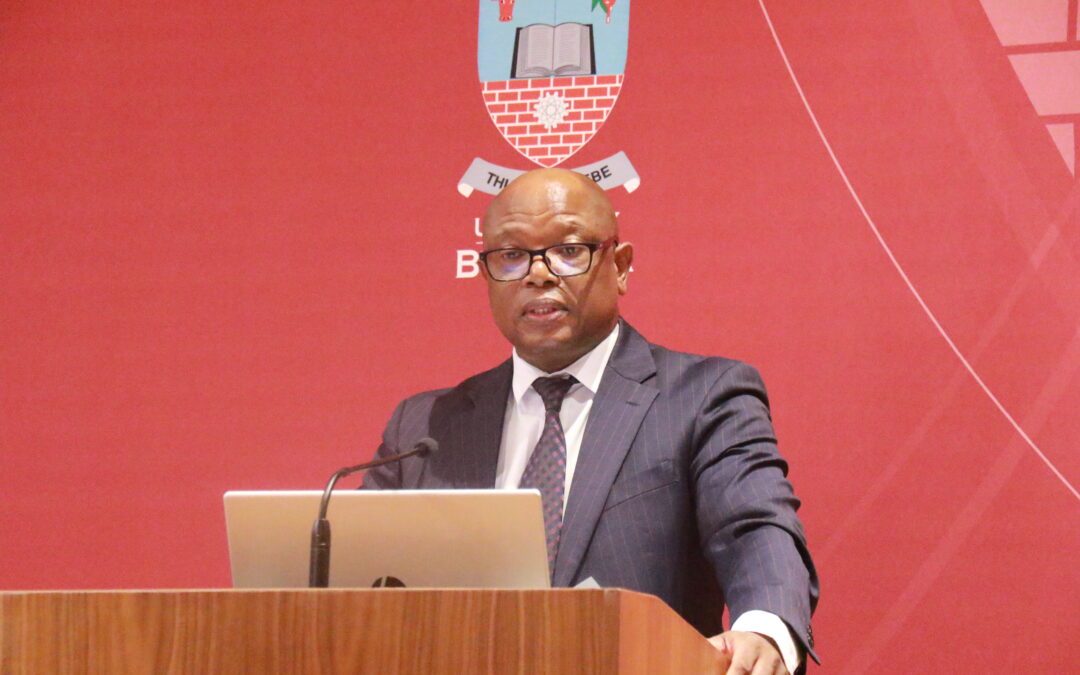
Speaking during the unveiling of the Zimbabwe Parks and Wildlife Management Authority (ZimParks) Kyle Recreational Park upgrades, the Minister of Environment, Climate and Wildlife, Dr Evelyn Ndlovu, said they are advocating for CITES to lift the trade and hunting restrictions.
“Internationally, we are a Party to several biodiversity-focused Multilateral Environmental Agreements, including the Convention on Biological Diversity (CBD) and CITES. Driven by our commitment to sustainable wildlife use, we continue to advocate alongside fellow CITES members and the global community to lift hunting and trade restrictions,” she said.
“Last year, we advocated for the lifting of the ban on Zimbabwe processing its leather products, and I am glad to say that they allowed us to proceed and process our leather so that we can export value-added products that generate better revenue for the country.”
She said the lifting of restrictions will also assist in unlocking revenue streams that will be channelled into the conservation of wildlife in the country.
“We are now pushing through CITES for permission to trade our ivory so that we can, at the very least, make artefacts from our ivory and export them. Removing these barriers will reopen vital revenue streams dedicated to funding the conservation of our diverse wildlife resources.”
The Director General of ZimParks, Professor Edson Gandiwa, said that due to a healthy population of elephants, they currently have 100 tonnes of ivory and over six tonnes of rhino horns.
“Because of our healthy elephant population, we regularly recover ivory, but we also have natural deaths among most of our animals. Currently, the country has over 100 tonnes of ivory and over six tonnes of rhino horns, which is quite a large stockpile. Every year, our stockpile grows due to natural deaths, as we have between 85,000 and 100,000 elephants, so natural mortality is a common contributor to our stockpile.”
He said the country’s good conservation practices, which have led to a healthy population, should not be punished. Therefore, the Southern African Development Community (SADC) is developing a trade mechanism.
“To this end, Zimbabwe, as part of the global community, is a member of the CITES convention and also belongs to SADC, which has directed us to develop a trade mechanism that will unlock value. Globally, there are restrictions on trade, with concerns that allowing trade will stimulate illegal hunting. However, Zimbabwe has done very well, and we believe we should not be punished for our good practices. Therefore, SADC is developing a CITES trade mechanism that will allow us to unlock the value of our stockpile,” said Gandiwa.