By Johnson Siamachira
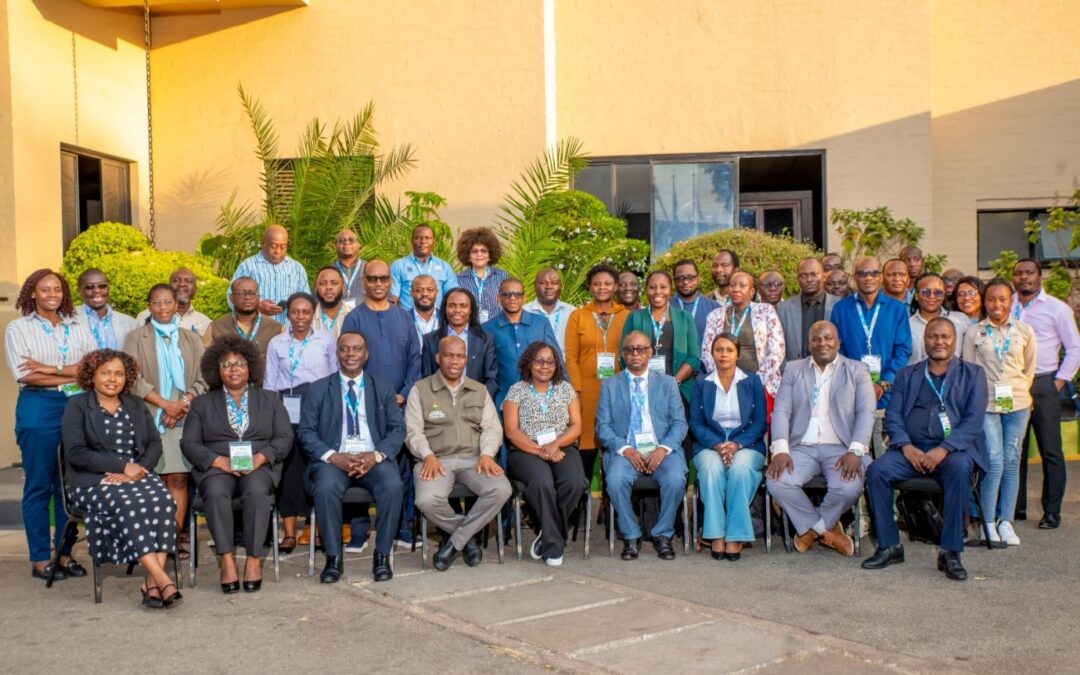
Harare, (New Ziana) — Zimbabwe has taken a major step towards improving the quality and accuracy of climate change reporting by beginning the validation of a national Climate Change Reporting Manual aimed at equipping journalists with the skills to report on one of the country’s most pressing development challenges.
Opening the validation workshop in Harare on Thursday, Permanent Secretary for the Ministry of Information, Publicity and Broadcasting Services Nick Mangwana said climate change had become a defining national development issue affecting agriculture, food security, water resources, public health, biodiversity, infrastructure and livelihoods.
“The media occupies a strategic position in this national endeavour,” Mangwana said in a speech read on his behalf by George Chisoko, Director (Media Services) in the same ministry. “Journalists are not merely reporters of events; they are educators, agenda setters and trusted sources of public information.”
The draft manual, developed by the Zimbabwe Media Commission (ZMC) in collaboration with government ministries, climate scientists, media professionals, academics and development partners, seeks to strengthen climate journalism by providing practical guidance on climate science, policy, governance, disaster risk reduction, investigative reporting, ethics and fact-checking.
The initiative comes as Zimbabwe grapples with increasingly frequent droughts, floods, cyclones, prolonged heatwaves and erratic rainfall patterns that scientists attribute to climate change. The country has suffered devastating disasters in recent years, including Cyclone Idai in 2019, while recurring El Niño-induced droughts have reduced crop production, threatened water supplies and increased food insecurity across many rural districts.
Officials say the manual aims to bridge the gap between scientific research and public communication by helping journalists produce accurate, evidence-based and solution-oriented reporting that informs citizens, counters misinformation and supports Zimbabwe’s climate resilience agenda and Vision 2030 development goals.
Mangwana said the Government remained committed to implementing the National Climate Policy, the National Adaptation Plan and other climate-responsive programmes that promote climate-smart agriculture, renewable energy, ecosystem restoration and disaster preparedness.
He urged journalists to move beyond reporting disasters and instead explain the science behind climate change, examine policy responses and highlight practical solutions being implemented by communities across Zimbabwe.
“As Government, we believe that climate journalism should not only report challenges but also showcase solutions,” Mangwana said, pointing to growing investments in climate-smart agriculture, renewable energy projects, water harvesting technologies and ecosystem restoration initiatives.
Zimbabwe Media Commission Executive Secretary, Godwin Phiri said the manual would serve as a practical resource for journalists, editors, trainers and media institutions seeking to improve climate literacy and professional reporting standards.
“The media plays a vital role in shaping public understanding of climate change. Through accurate, balanced and responsible reporting, journalists help citizens understand the causes and impacts of climate change, inform public debate, amplify community voices and support evidence-based decision-making,” he said.
Phiri said the validation workshop would critically review the draft manual, identify knowledge gaps, incorporate expert recommendations and build consensus before the document is adopted as Zimbabwe’s national reference guide for climate reporting.
He said strengthening partnerships among government, academia, civil society, development partners and media organisations would be essential to improving public communication on climate issues.
Zimbabwe is a signatory to the United Nations Framework Convention on Climate Change and the Paris Agreement and has committed to reducing greenhouse gas emissions while strengthening adaptation through its Nationally Determined Contributions. Experts say achieving those goals will require informed public participation, placing the media at the centre of communicating both the risks of climate change and the opportunities presented by sustainable development.
New Ziana