
Harare, (New Ziana) -President Emmerson Mnangagwa on Thursday officially accepted that the African Peer Review Mechanism (APRM) conducts an assessment on the country, to take place in August this year.
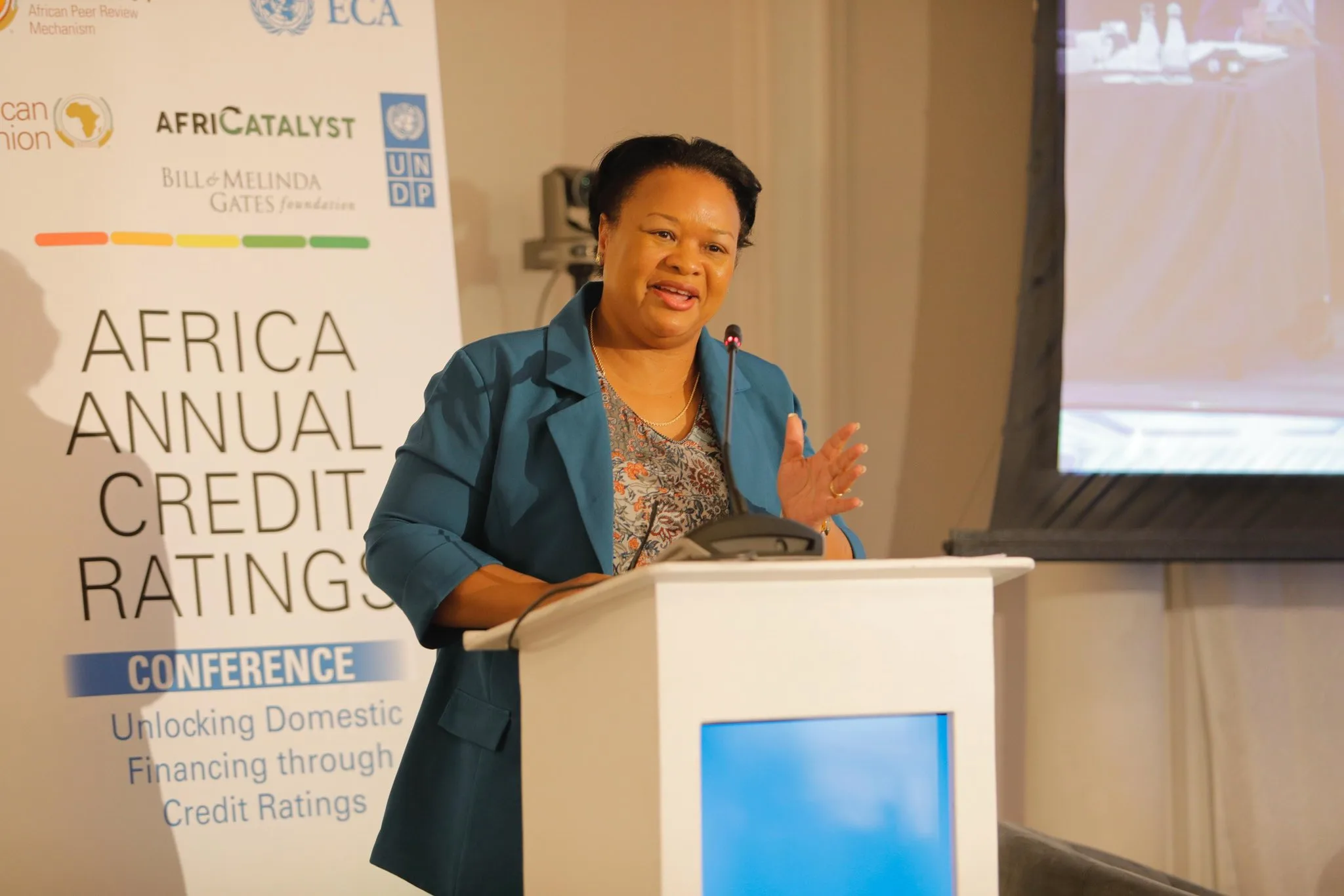
APRM chief executive officer Marie Antoinette Rose-Quatre confirmed the upcoming evaluation after emerging from a meeting with President Emmerson Mnangagwa at the State House.
She noted that the process will involve consultations with diverse sectors, including government departments, community groups, and civil society organisations.
“The President confirmed Zimbabwe’s readiness for the review. We are thrilled because the APRM is a mechanism by Africans for Africans, and this shows solidarity among AU member states,” she said.
A specialized agency of the African Union (AU), the APRM was initiated in 2002 and established in 2003 in the framework of the implementation of the New Partnership for Africa’s Development (NEPAD).
It is a tool for sharing experiences, reinforcing best practices, identifying deficiencies, and assessing capacity-building needs to foster policies, standards and practices that lead to political stability, high economic growth, sustainable development and accelerated sub-regional and continental economic integration.
Member countries within the APRM undertake self-monitoring in all aspects of their governance and socio-economic development with AU stakeholders participating in the self-assessment of all branches of government, executive, legislative and judicial, as well as the private sector, civil society and the media.
The APRM Review Process gives member states a space for national dialogue on governance and socio-economic indicators and an opportunity to build consensus on the way forward.
The APR Forum of Heads of State and Government adopted the 2016-2020 Strategic Plan and the APRM Statute at the 25th Summit of the APR Forum held in Nairobi, Kenya, while the 28th AU Assembly of Heads of States and Government further extended the APRM’s mandate to include tracking of the implementation and overseeing the Continent’s key governance initiatives.
It further extended the mandate of the APRM to include monitoring of the implementation of the AU Agenda 2063 and the United Nations Sustainable Development Goals (SDGs), Agenda 2030.
In addition, the January 2018 Assembly, amongst other things, welcomed steps taken to position the APRM as an early warning tool for conflict prevention in Africa, in the context of harmony and synergy between the APRM, African Peace and Security Architecture, and the African Governance Architecture.
There are four types of country reviews, namely the Base Review carried out immediately after a country becomes a member of the APRM, the Periodic Review conducted every four years, Requested Review where a member itself requests outside the framework of mandated reviews, and the Review commissioned by the APRM Forum when there are early signs of pending political and economic crisis.
Zimbabwe acceded to the APRM in February 2020, becoming the AU member state to voluntarily join the agency. The accession signified a commitment by President Emmerson Mnangagwa towards open governance, reducing corruption and promoting the rule of law in Zimbabwe.
New Ziana