Bulawayo, (New Ziana) – The Zimbabwe government should introduce tax frameworks designed specifically for micro and small enterprises, as the current one-size-fits-all is counterproductive and discourages players from complying, an expert has said.
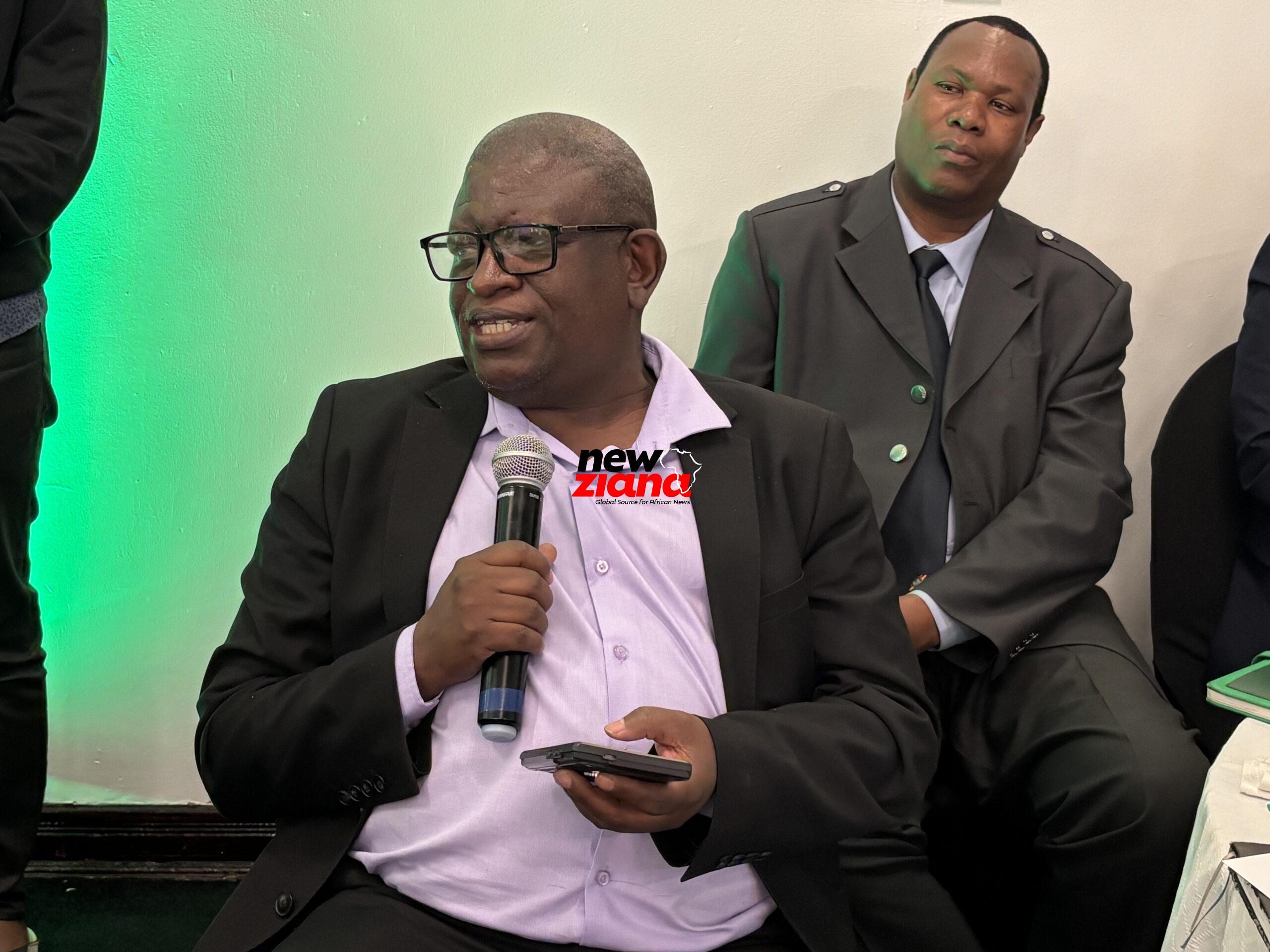
The Advisor on Small and Medium Enterprises(SMEs) to the government, Dumisani Dube said this during a business engagement meeting that the Zimbabwe Revenue Authority (ZIMRA) convened on the sidelines of the just-ended 66th edition of the Zimbabwe International Trade Fair(ZITF).
The informal sector is a massive, critical driver of the Zimbabwean economy, contributing roughly 60 to –70 percent of Gross Domestic Product and employing over 80 percent of the workforce.
Dominated by small-scale retail, manufacturing, and agriculture, it acts as the primary source of livelihood and resilience against economic challenges.
“There is need for a fundamental shift in how micro businesses are treated by tax authorities. Harsh compliance measures are discouraging informal operators from joining the formal economy,” he said.
“Can we have something tailor-made for the micro and small businesses so that they will scale up and participate. Imagine a situation where somebody has to pay for a point-of-sale machine, an accounting service, and other compliance costs, can a micro operator really afford that?” he queried.
Dube said current tax systems appear skewed in favour of large corporations, leaving micro enterprises struggling to comply.
“I think more of what you are saying is for the big businesses. But we really need to consider the micro, because we need to integrate them into the system,” he explained.
He said the success of the formalisation drive hinges on the way authorities engage small-scale traders, many of whom operate informally due to fear of punitive taxation.
“We need to treat them nicely so that they go into the system. It’s unfortunate that my job is to convince them to formalise, yet when they do, they are met with penalties,” he said.
Dube said many small operators who voluntarily register are penalised for past non-compliance, a move he said undermines trust and discourages others from following suit.
“These people are coming from the unknown to the known. Probably we need to have a mindset shift. When someone decides to reform, why don’t you treat them like someone who has reformed? If you remind them about their old sins, there is no reason for them to register,” he said.
He also called for tax incentives, including temporary relief measures, to encourage voluntary compliance, including tax holidays.
While acknowledging ongoing efforts by authorities to provide training and outreach programs, Dube said more is needed to be done to ensure inclusivity.
“I’m happy that there are now more trainings happening. We are seeing progress but in most of these workshops, the micro operators are not invited. That does not serve the purpose,” he said.
Dube pointed to the vast untapped potential within informal trading hubs, suggesting that even minimal contributions from a broad base could significantly boost revenue for the fiscus.
He urged policymakers and tax authorities to adopt a more pragmatic and inclusive approach, saying formalisation should be driven by incentives rather than fear.
New Ziana